
Plants
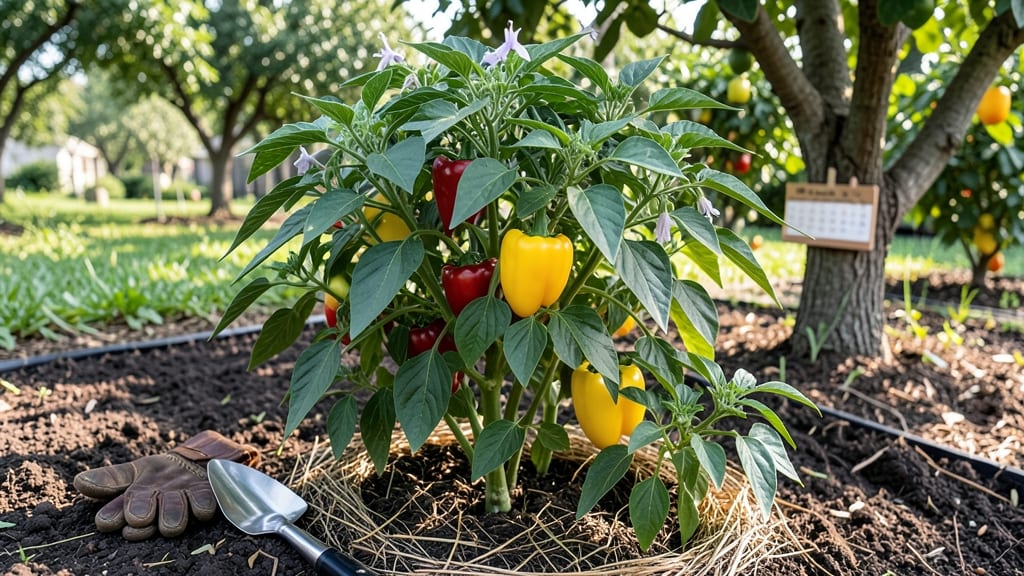
To plant peppers in Southern California, time your sowing between February and March for spring harvests or August and September for fall yields—avoiding the brutal summer heat that stunts growth.
Southern California’s microclimates—from coastal chill to desert heat—mean pepper planting timing can vary by hundreds of miles. Plant too early, and frost lurks in high deserts; too late, and summer’s scorching sun stunts growth. Here’s the exact schedule for zero-frost-risk harvests tailored to your region.
Coastal areas like San Diego (Zone 10a) can start seeds as early as January, while inland valleys (Zone 9b) should wait until March. Desert regions (Zone 10b) thrive with fall plantings in August to escape summer’s peak temperatures.
Below, I break down the month-by-month planting calendar, soil prep tricks, and heat-tolerant varieties that keep your 🌶️ harvests coming year-round—without the guesswork.
Southern California pepper planting zones: coast vs. desert vs. inland timing differences
Southern California’s pepper-growing success hinges on understanding its three distinct microclimates: the coastal chill of San Diego (USDA Zone 10a), the desert heat of Palm Springs (Zone 10b), and the inland valleys like Los Angeles (Zone 9b).
Each zone has unique soil temperature thresholds and frost risks that dictate when to plant for maximum yields. For example, coastal areas can start peppers as early as February 15, while desert regions wait until March 15 to avoid heat stress.
Peppers thrive when soil temperatures stay between 60–85°F. Coastal zones hit this range by late winter, while inland deserts often need to wait until spring. Planting too early risks frost damage (even in Zone 9b), while planting too late exposes seedlings to scorching summer sun that stunts growth.
The key is aligning your planting window with your zone’s microclimate patterns and heat tolerance of your pepper variety.
Comparison Table for Southern California Pepper Planting Zones:
In coastal zones, where temperatures are milder year-round, you can start peppers as early as mid-February for a spring harvest or late summer for a fall crop. The Carmen pepper variety, for example, thrives in these conditions and matures quickly—ideal for avoiding summer’s heat.
Use row covers if frost threatens, but coastal areas rarely see frost after February 15.
For inland valleys like Los Angeles, wait until early March to plant peppers outdoors. The soil needs to warm to at least 65°F before seeds germinate well. If you start seeds indoors, begin them 8–10 weeks before the last frost date (which is typically January 15 for Zone 9b).
Varieties like NuMex Sandia are heat-tolerant and perfect for inland gardens.
Desert regions like Palm Springs have the latest planting windows due to their intense summer heat. Aim for mid-March to avoid the 100°F+ temperatures that can scorch seedlings.
Heat-loving varieties like Habanero or Cherry Bomb are your best bet. If you must plant in summer, use shade cloth to protect young plants until they establish roots.
Regardless of your zone, always monitor soil moisture and temperature. Use a soil thermometer to confirm conditions are ideal before planting. Coastal areas may need light mulching to retain moisture, while desert gardens benefit from deep watering to encourage root growth.
Adjust your planting schedule based on local weather patterns—a few weeks earlier or later can make all the difference in avoiding frost or heat stress.
Pro tip: Inland gardeners can extend their growing season by planting a fall crop in September. Choose early-maturing varieties like Banana Peppers to harvest before winter chill sets in.
Coastal gardeners, on the other hand, can enjoy peppers nearly year-round with careful variety selection and protection from rare frost events.
🌶️
Step-by-step pepper planting calendar for Southern California’s zero-frost harvests
Timing is everything when growing peppers in Southern California. Unlike northern climates, we can plant year-round—but peak summer heat (above 90°F) stresses seedlings, while coastal breezes can delay germination.
The key? Plant during spring transitions (Feb–Mar) and fall cooldowns (Aug–Sep) for zero-frost-risk harvests. I’ll break it down by microclimate so you can avoid both frost and scorching.
Southern California’s USDA Zones 9b–11 mean your neighbors might be harvesting while you’re battling heat stress—or vice versa. Coastal areas (like San Diego) have milder winters, while inland valleys (like Los Angeles) and deserts (like Palm Springs) face different risks.
Use this calendar to align your planting with your local frost-free window and soil warmth. Pro tip: Soil must reach 60°F+ for seeds to germinate, and 70°F+ for transplants to thrive.
📅 Southern California Pepper Planting Timeline
-
🌱 January–February (Coastal Zones 10a–11)
Start seeds indoors by Jan 15 (transplant outdoors Feb 15–Mar 1). Coastal areas can plant directly into warm soil by Feb 1. -
🌿 March (Inland Valleys, Zone 9b)
Wait until March 15 to start seeds indoors or buy transplants. Transplant outdoors April 1–15 after last frost risk passes. -
☀️ April–May (All Zones)
Avoid planting new seeds—focus on transplanting hardened-off seedlings. Use shade cloth if temps exceed 85°F. -
🌵 June–July (Desert Zones, Zone 10b+)
Skip planting entirely. Existing plants may bolt or stop fruiting. Mulch heavily to retain moisture. -
🍂 August–September (Fall Planting Window)
Start seeds indoors by Aug 1 for transplants by Sep 15. Desert areas can direct-sow by Aug 15. -
🌡️ October–November (Coastal Extensions)
Use row covers to extend harvests into winter. Inland areas should stop planting by Oct 15.
⚠️ Heat Hack: For summer planting, soak seeds in lukewarm water overnight to speed germination in 90°F+ soil.
Extending your harvest season is easier than you think. In coastal areas, use floating row covers to protect young plants from December chills (below 45°F). For inland valleys, shade cloth (30–50% coverage) during June–August prevents sunscald on peppers.
I’ve grown ‘Carmen’ bell peppers through winter in Zone 10a using a simple cold frame—just monitor for whiteflies in sheltered conditions.
Don’t let summer’s heat derail your pepper dreams. If you miss the spring window, focus on heat-tolerant varieties like ‘NuMex Sandia’ (desert-proof) or ‘Jalapeño M’ (early producer). For fall planting, prioritize fast-maturing types (60–75 days) to harvest before December’s first frost risk in inland zones.
My fall-planted ‘Banana Peppers’ yielded 3x more than summer attempts—timing really is everything.
Protect your investment with mulch. A 2–3 inch layer of straw or wood chips keeps soil 5–10°F cooler in summer and retains moisture for deep root growth.
Pair this with drip irrigation (set to run early morning) to avoid fungal diseases like anthracnose, which thrives in hot, humid afternoons. I’ve seen entire pepper beds fail from overhead watering—don’t make that mistake.
Ready to harvest? Watch for peppers to reach full size and color deepen (e.g., green to red for bells). Use pruning shears to snip stems cleanly—never twist peppers off, or you’ll damage the plant.
In Zone 9b, I harvest fall-planted peppers until February before switching to spring varieties. With this calendar, you’ll avoid the frost vs. heat gamble and enjoy continuous harvests year-round.