
Plants
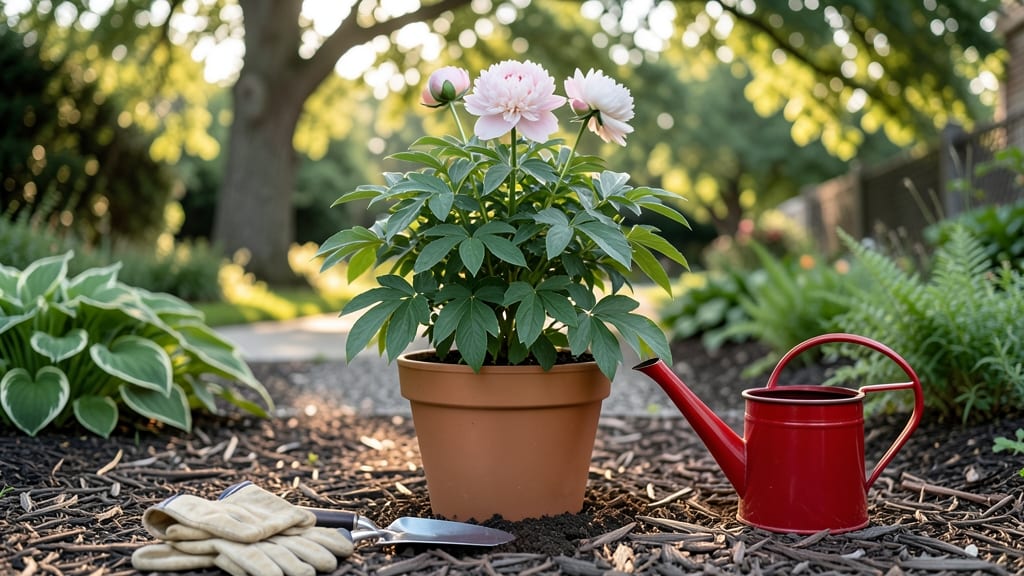
Planting peonies in Maryland at the right time ensures they’ll bloom beautifully in spring 🌸 — aim for early to mid-autumn when the soil is cool but workable.
Maryland gardeners know timing is everything—plant peonies too early, and they’ll struggle with winter chill; too late, and they won’t bloom in time for spring’s showstopper displays. Mastering the perfect window means your peonies thrive in Maryland’s unique climate, whether you’re in Baltimore’s urban gardens or the Piedmont’s rolling hills.
Fall planting (September–October) is ideal for bare-root peonies, while containerized varieties can go in slightly later. The key? Getting them in the ground before the first frost on November 15—but not so early that they start growing too soon. Maryland’s USDA Zone 7a climate demands this balance.
Below, I’ll break down the exact months to plant, how to prep your soil, and what to watch for—plus tips to avoid common mistakes that keep peonies from blooming. Ready to grow show-stopping flowers? Let’s get started.
Maryland’s ideal peony planting window: chill-hour requirements explained
Maryland’s climate creates a delicate balance for peony success, where chill-hour accumulation (temperatures below 45°F) determines whether your herbaceous peonies will bloom reliably.
Most Maryland regions fall within USDA zones 6b-7a, requiring 300-500 chill hours—a critical factor that narrows your planting window to just 6-8 weeks each year.
Peonies planted in early fall (September-October) give roots time to establish before winter, while spring planting (March-April) risks insufficient chill hours in warmer microclimates like Annapolis or the Eastern Shore. The key is understanding how local frost dates and microclimates interact with your chosen variety’s chill needs.
Western Maryland’s higher elevations (e.g., Cumberland or Hagerstown) often accumulate chill hours earlier than coastal areas, while Baltimore’s urban heat islands may delay proper dormancy. This regional variation means your planting deadline could shift by 2-3 weeks depending on location.
Here’s how Maryland’s three distinct climate zones affect your peony planting strategy, including the exact chill-hour thresholds that separate success from disappointment:
Spring planting in Maryland is risky but possible if you use containerized peonies (not bare-root) and confirm your location meets the minimum 300 chill hours. The Eastern Shore, for example, often falls short, while Western Maryland’s higher elevations typically exceed requirements.
Always cross-reference with UMd Extension’s chill-hour maps before committing to spring.
For bare-root peonies, the 6-week window between mid-September and mid-October is non-negotiable. This period allows roots to establish before ground freezes, while avoiding the summer heat stress that comes with planting too late.
In Baltimore’s urban gardens, where soil retains heat longer, aim for early September to give roots a head start.
Microclimates play a huge role—even within a 10-mile radius, chill hours can vary by 100+ hours. A north-facing slope in Frederick County might accumulate chill hours 2 weeks earlier than a south-facing yard in Annapolis.
Use a home weather station or check local NOAA data to adjust your timeline accordingly.
If you’re dividing established peony clumps, the fall window (September-October) is ideal because it allows divided roots to re-establish before winter. Spring division is possible but high-risk in Maryland’s variable frost dates—newly divided plants may bolt to flower prematurely, weakening their root systems.
Pro tip: Mulch heavily after planting (3-4 inches of straw or shredded leaves) to protect crowns during Maryland’s winter temperature swings. In USDA 7a zones, mulch can mean the difference between survival and freeze damage, especially for young peonies still establishing roots.
🌸
Step-by-step Maryland peony planting timeline: when to dig, when to wait
Maryland’s frost dates create a tight window for planting peonies—too early, and roots won’t establish before winter; too late, and spring blooms will suffer. For bare-root peonies, aim for October 15–November 15, while containerized varieties can handle a later March 1–April 15 spring planting.
Suburban areas like Annapolis or Frederick face extra challenges with late frosts and deer pressure, so timing matters even more.
Before you plant, soil preparation is key. Maryland’s clay-heavy soils drain poorly, so amend with compost or sand to improve aeration. Choose a sunny, sheltered spot—peonies need 6+ hours of sunlight daily and hate windburn.
If your yard has heavy deer traffic, consider raised beds or protective fencing until roots establish.
- 1 Late August–Early September: Divide established peony clumps if needed. Dig up overcrowded roots, separate 3–5 eye buds per division, and store in a cool, dark place until planting.
- 2 October 15–November 15 (Fall): Plant bare-root peonies in well-draining soil. Position the crown 1–2 inches below soil—never deeper—and space plants 3–4 feet apart for airflow. Water deeply after planting.
- 3 March 1–April 15 (Spring): Plant containerized peonies after last frost. Amend soil with compost and mulch with 3 inches of organic matter to retain moisture. Protect from late frosts with row covers if temps dip below 28°F.
- 4 April–May: Apply a light fertilizer (5-10-10) when new shoots emerge. Avoid heavy feeding—too much nitrogen reduces blooms. Monitor for deer and slugs, using organic deterrents if needed.
- 5 Fall (After Blooming): Cut back dead foliage but leave some stems for winter interest. Apply 4–6 inches of mulch to insulate roots from freeze-thaw cycles common in Maryland’s winters.
If you’re in Western Maryland’s higher elevations (like Cumberland), plant 2 weeks earlier to avoid earlier frosts. For Eastern Shore areas, delay until late October to escape coastal humidity, which can rot roots.
Always water deeply after planting—dry soil is the #1 killer of new peony roots in Maryland’s unpredictable climate.
Protect young plants from deer with physical barriers like chicken wire or deer-resistant companions (e.g., lavender or rosemary). In urban gardens, use reflective tape or dog hair (yes, really!) to deter nibbling.
With the right timing and care, your peonies will reward you with bold blooms for decades—Maryland’s version of a forever flower! 🌸