
Plants
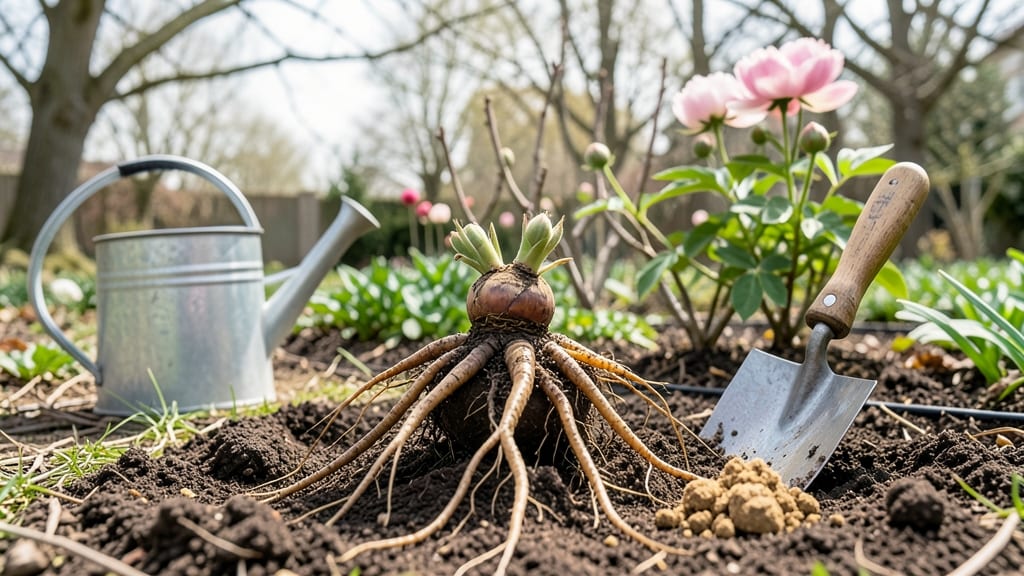
Planting peony bulbs in spring when the soil reaches 40-50°F is the secret to blooms that last for years—miss this window, and you risk stunted growth or no flowers at all.
Timing your peony bulb planting just right in spring can mean the difference between a breathtaking garden masterpiece and a wasted investment. Too early, and frost will damage tender roots; too late, and your peonies 🌸 might never establish properly.
The key is waiting for the soil to warm up while avoiding the rush of summer heat.
In USDA Zone 6a, that typically means late March to early April—right after the last frost but before the soil gets too hot. If you’re in a cooler region, aim for early April; in warmer areas, you might start as early as February.
The goal? Plant when the ground is workable but not baking.
Below, I’ll walk you through the exact soil temperature rules, how to prep your planting site, and the 3 biggest mistakes that kill peony success before it even begins. Ready to set yours up for a lifetime of blooms?
Peony bulb planting calendar: exact soil temperature rules for spring success
Planting peony bulbs at the right time in spring is all about understanding soil temperature thresholds. These hardy perennials need the ground to warm to 40-50°F before they'll establish roots without risking frost damage.
Get this wrong, and your peony blooms might never appear—or worse, your bulbs could rot before they even sprout.
Why does soil temperature matter so much? Peony bulbs are dormant in winter and need consistent warmth to break dormancy. Plant too early in cold soil, and the roots won't develop properly.
Wait too long, and you miss the optimal growth window before summer heat arrives. The key is finding that sweet spot where the ground is workable but not yet overheating.
Peony bulbs thrive when planted after the last frost date in your region, but the real magic happens when soil temperatures hit 40-50°F. This typically aligns with late March to early April in most USDA Zones 4-8. For colder climates (Zones 3-4), you might need to wait until mid-April when the ground consistently stays above 45°F during the day.
| Region (USDA Zone) | Ideal Planting Window | Soil Temp Threshold | Key Consideration |
|---|---|---|---|
| Zones 3-4 (Cold Climates) | Mid-April to early May | 45-50°F (7-10°C) | Wait for last frost + soil stability |
| Zones 5-6 (Temperate) | Late March to April | 40-45°F (4-7°C) | Plant when soil is workable |
| Zones 7-8 (Mild Climates) | February to early March | 40-48°F (4-9°C) | Avoid summer heat stress |
| Zones 9-10 (Warm Climates) | November to December | 60-65°F (15-18°C) | Plant in cooler months |
To check if your soil is ready, use a simple soil thermometer or the "finger test"—stick your finger into the ground. If it feels cool but not icy, it's likely in the 40-50°F range.
For container gardening, wait until outdoor temperatures stabilize above 50°F during the day to prevent shock to your peony roots.
One common mistake gardeners make is planting peonies too early in cold soil. This can lead to root rot because the bulbs can't absorb moisture properly. Always aim to plant when the ground is workable but not yet warm.
Think of it like dressing for spring—you want that perfect layering of warmth without overheating.
For northern climates, consider a light mulch after planting to insulate the soil and maintain those ideal 40-50°F temperatures. In southern regions, prioritize morning planting to help the bulbs establish before the afternoon heat sets in.
Both strategies protect your investment during the critical first weeks of growth.
Remember, peony bulbs need 6-8 weeks to establish roots before they'll produce those iconic blooms. Planting at the right soil temperature ensures they have enough time to develop a strong root system before summer arrives. This means fewer floppy stems and more vibrant, long-lasting flowers next spring.
If you're in doubt about your local conditions, consult your extension service for precise frost dates. Many offer free soil temperature maps that can help you pinpoint the perfect planting window. With this science-backed approach, your peonies will thank you with years of reliable blooms.
Pro tip: Mark your planting date on a calendar and set a reminder for next year. Peonies are perennials, so once established, they'll come back stronger every spring—but only if you give them that perfect 40-50°F start.
Step-by-step guide: how to plant peony bulbs in spring without killing them
Planting peony bulbs in spring requires precision—getting the depth, spacing, and soil conditions right ensures your peonies grow strong roots and bloom spectacularly. Unlike annuals, peonies are perennials, meaning they’ll return year after year if planted correctly.
The key? Timing the planting to match soil temperature and avoiding early frosts that can damage tender roots.
Before you dig, check that your soil temperature has consistently reached 40-50°F at a depth of 6 inches. This usually aligns with late March to early April in most USDA Zones 3-8.
If you plant too early, the bulbs may rot; too late, and they won’t establish roots before summer heat sets in. Now, let’s break it down step by step to ensure your peonies thrive from day one.
Select a spot with full sun (6+ hours daily) and well-draining soil. Peonies hate soggy roots, so avoid low-lying areas where water pools.
Loosen the soil to a depth of 12 inches and mix in 2-3 inches of compost or aged manure. Peonies prefer slightly acidic to neutral soil (pH 6.0-7.0).
Dig holes 2-3 inches deep and 2-3 feet apart (closer for dwarf varieties). Place the bulb so the eyes (buds) face upward—this ensures they grow toward the sun.
Cover the bulb with soil, leaving the eyes exposed. Water deeply to settle the soil and remove air pockets. Avoid overwatering, as peonies prefer moderate moisture.
Apply a 2-3 inch layer of mulch (straw or wood chips) around the base to retain moisture and regulate soil temperature. Keep mulch 2 inches away from the stems to prevent rot.
Water deeply once a week (or more in extreme heat) and avoid fertilizing until new growth appears in spring. Peonies establish roots slowly—be patient!
Peonies are notoriously slow to establish, so resist the urge to fertilize or overwater in the first year. Focus on keeping the soil consistently moist but not waterlogged. In their second year, you’ll likely see stronger stems and more abundant blooms—proof that your patience paid off.
One common mistake is planting peony bulbs too deep, which can suffocate the eyes and prevent flowering. Always double-check that the eyes are just below the soil surface.
With the right care, your peonies will reward you with decades of blooms, making them a true garden investment. Happy planting!