
Plants
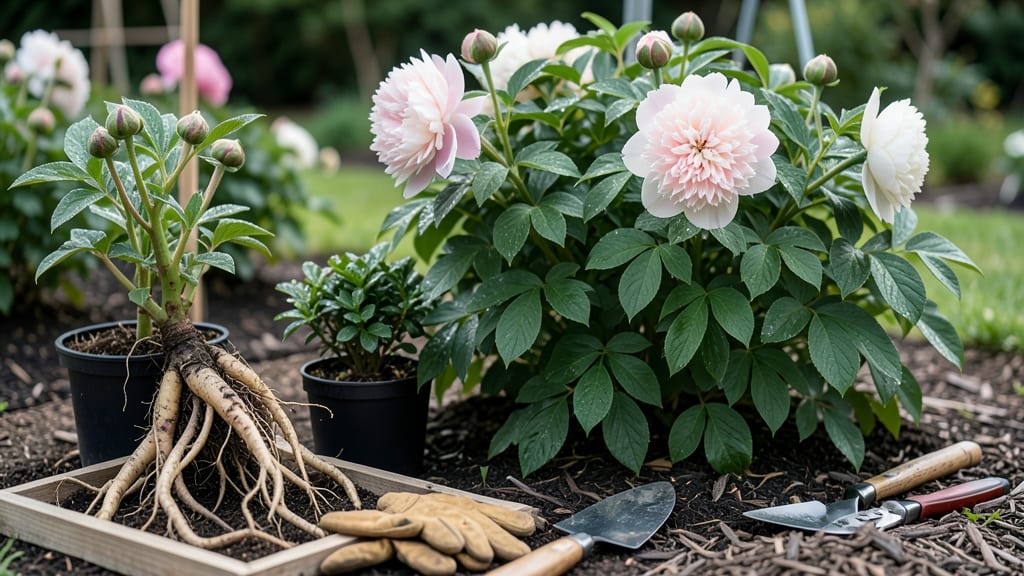
Planting peonies in New Jersey at the right time ensures those lush 🌸 blooms every spring without fail.
If you’ve ever waited years for peonies to bloom—only to find they’re stubbornly hiding beneath the soil—you’re not alone. In Zone 6b, timing is everything: plant too early, and roots rot; too late, and they struggle to establish before winter.
The secret? A 6-week window before the first hard frost (usually by mid-November) gives peonies the edge they need to thrive.
Fall planting isn’t just a suggestion—it’s the game-changer for peonies in NJ. Why? Because cooler soil temperatures encourage strong root growth before winter dormancy, setting the stage for dramatic blooms the following May.
But don’t worry if spring planting feels more natural; we’ll cover how to adjust for NJ’s variable frost dates and soil conditions.
From soil prep to deer-proofing, this guide breaks down the exact steps to plant peonies in NJ—so you can skip the trial-and-error and enjoy showstopping blooms year after year.
Optimal NJ peony planting timeline by month for Zone 6b success
New Jersey’s Zone 6b climate gives gardeners a 6-week window before the average first hard frost (around November 15). This tight timeline means choosing the right month to plant peonies can make or break their first-year survival.
Fall planting is the gold standard for peonies because it allows roots to establish before winter dormancy—giving you stronger blooms in year two.
Spring planting is possible but riskier in NJ due to unpredictable frost dates and shorter growing seasons. If you miss fall, aim for early spring (March-April) when soil temperatures rise above 45°F.
Below, we break down the best months for planting, frost risks, and how to adjust if NJ’s weather throws you a curveball.
| Month | Ideal Planting Window | Soil Temp Threshold | Frost Risk | NJ-Specific Tips |
|---|---|---|---|---|
| September | Best time (6 weeks before frost) | 50-60°F | Low | Cool temps reduce transplant shock; water deeply weekly. |
| October | Still ideal (4-6 weeks before frost) | 45-55°F | Moderate | Mulch heavily after planting to insulate roots. |
| November | Risky (only if soil isn’t frozen) | 40-45°F | High | Use row covers if frost threatens; avoid if ground is hard. |
| March | Early spring (soil must thaw) | 45°F+ | Low (late frosts possible) | Wait until last frost date (avg. April 15) for safety. |
| April | Last chance (if missed fall/spring) | 50°F+ | Very low | Prioritize watering during dry NJ springs. |
Fall planting in September or October gives peonies the 6-week head start they need to establish roots before NJ’s first frost. The soil temperature threshold of 45-60°F is ideal for root growth without encouraging early top growth, which can be damaged by winter cold.
If you plant in November, monitor weather forecasts closely—peony roots can handle light frosts, but frozen soil will stunt growth.
Spring planting in March or April works but requires patience. Wait until the soil warms above 45°F and the last frost date has passed (around April 15 in most of NJ).
Planting too early risks frost damage to tender new shoots. For extra protection, use row covers or choose a south-facing location that warms faster.
NJ’s clay-heavy soils can delay warming in spring, so check soil temperature with a soil thermometer before planting. Aim for consistent 50°F+ for at least a week to ensure successful root establishment. If your soil stays cold, wait—rushing spring planting often leads to transplant shock and poor first-year blooms.
Pro tip: If you’re unsure about NJ’s frost dates, use the 10-day forecast rule. Plant peonies when the 10-day forecast shows no hard frosts (28°F or below) in the next two weeks.
This gives roots time to settle in without sudden cold snaps. For extra insurance, mulch with 4-6 inches of straw after planting to regulate soil temperature.
Adjusting for early or late frosts is key in NJ. If frost arrives earlier than November 15, prioritize October
How to prepare NJ soil for peonies: pH, drainage, and organic boosts
New Jersey’s clay-heavy soils can be a peony’s worst nightmare—unless you know how to transform them. These native rocky soil lovers need well-draining, nutrient-rich conditions to thrive, especially in our Zone 6b climate.
The key? A perfect blend of pH balance, organic matter, and smart drainage solutions that mimic their natural habitat.
Start by testing your soil pH—peonies crave a neutral range of 6.5-7.0. NJ’s natural acidity often skews lower, so you’ll likely need to raise the pH with crushed limestone or wood ash. Skip the quick fixes like lime; peonies hate sudden pH swings that disrupt root growth.
- 🌱 Step 1: Test soil pH with a digital meter or lab kit (available at garden centers). Aim for 6.5-7.0.
- 🪴 Step 2: Amend heavy clay by mixing in 3-4 inches of compost or well-rotted manure (cow or horse). Avoid fresh manure—it burns roots!
- ✂️ Step 3: Create raised beds or mounds if your yard floods after rain. Peonies hate soggy roots—elevate them 6-12 inches above grade.
- 💧 Step 4: Simulate their rocky native soil by adding coarse sand or perlite (20% of your mix) to improve drainage without compacting.
- ☀️ Step 5: Mulch with 2-3 inches of pine straw or shredded leaves to retain moisture and suppress weeds—critical in NJ’s hot summers.
For NJ’s clay-heavy soils, I swear by the "lasagna method": layer compost, sand, and a bit of peat moss (if your soil is extremely dense).
This creates pockets of air and drainage while keeping moisture—just like peonies’ rocky forest floors in Asia. Water thoroughly after amending to help everything settle.
One NJ-specific pitfall? Post-rain sogginess. If your yard pools water after storms, consider planting peonies on a south-facing slope or install a French drain nearby. Peonies can tolerate brief wet spells, but prolonged saturation leads to root rot—a silent killer in our humid summers.
Finally, feed your peonies high-phosphorus fertilizer (like 5-10-10) in early spring to fuel blooms, but skip fall feeding—it encourages tender growth that won’t survive winter. With the right soil prep, your peonies will reward you with decades of drama-worthy blooms.