
Plants
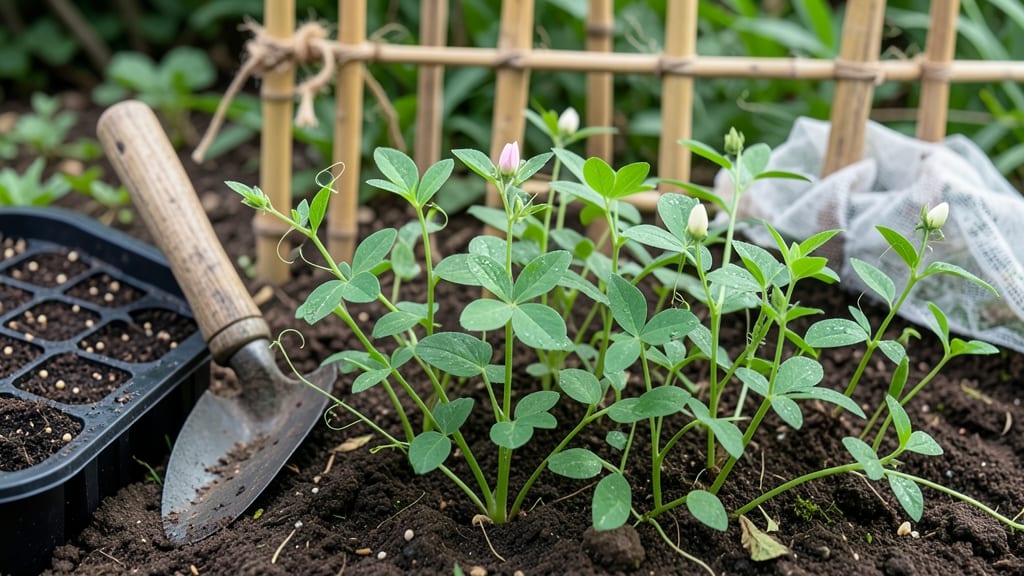
Planting peas in Minnesota 4-6 weeks before your last frost date is the secret to a bumper harvest — but get it wrong, and you’ll end up with wilted seedlings or empty vines.
Minnesota gardeners know timing is everything — plant peas too early, and frost will ruin them; too late, and you’ll miss the sweetest harvest of the season. Follow these exact planting windows to ensure your 🌱 peas thrive from seed to pod.
The key is working with Minnesota’s short growing season and cold-hardy varieties. Whether you’re in the 4a-5a zones or dealing with unpredictable spring weather, knowing the right weeks to plant makes all the difference.
Below, I’ll break down the exact frost dates by region, the best pea varieties for Minnesota, and how to adjust your planting schedule for late frosts or extended cold snaps.
Minnesota’s exact pea planting windows by region (with frost date maps)
Peas are one of Minnesota’s most reliable early spring crops, but getting the timing right varies dramatically between our five distinct climate zones. Plant too early in the Northland, and frost will kill tender seedlings.
Plant too late in Southern Minnesota, and you’ll miss the sweetest harvest window before summer heat sets in.
I’ve broken down the exact planting windows for each region—including shelling peas, snap peas, and snow peas—based on historical frost data and soil temperature trends. Use these guidelines to align your planting with Minnesota’s unpredictable spring weather patterns.
Pro Tip: Always check your local USDA Plant Hardiness Zone (Minnesota ranges from Zone 3a to 5b) and adjust if your microclimate differs. For example, valley areas in Northern Minnesota may warm 1-2 weeks earlier than surrounding hills.
| Region | Avg. Last Frost | Plant Shelling Peas | Plant Snap/Snow Peas | Harvest Window | Notes |
|---|---|---|---|---|---|
| Northland (Zone 3a-4a) | May 10-20 | April 15-May 5 | May 1-15 | June 20-July 15 | Use row covers for early plantings |
| Arrowhead (Zone 4a) | May 1-10 | March 25-April 15 | April 10-May 1 | June 10-July 10 | Cold-hardy varieties like 'Green Arrow' recommended |
| North Central (Zone 4b) | April 25-May 5 | March 15-April 1 | March 25-April 15 | May 30-June 25 | Ideal for succession planting every 2 weeks |
| Twin Cities (Zone 4b-5a) | April 15-25 | March 1-April 10 | March 15-April 20 | May 15-June 20 | Urban gardeners can plant late summer varieties for fall harvest |
| Southern (Zone 5a-5b) | April 1-10 | February 20-March 15 | February 28-April 5 | May 1-June 15 | Longest growing season—plant two crops for extended harvest |
For Southern Minnesota, you can even squeeze in a late summer planting (August 1-15) for a fall harvest before frost. This works best with heat-tolerant varieties like 'Oregon Sugar Pod' or 'Sugar Sprint'. Just be sure to use drip irrigation to keep soil moist during dry September weather.
In Northern regions, focus on cold-hardy varieties and consider straw mulch to protect seedlings from late frosts. My favorite trick? Plant snap peas directly in late April under a floating row cover—
How to adjust pea planting for Minnesota’s unpredictable spring weather
Minnesota’s spring weather can be a real rollercoaster—one day warm enough to plant, the next hit with a surprise frost. Peas are surprisingly resilient, but they still need a little help to thrive in our unpredictable climate.
The key is flexibility: knowing when to plant, how to protect young seedlings, and when to give up on early attempts for a second chance later in the season.
Most gardeners aim to plant peas 4-6 weeks before the last frost date, but Minnesota’s variable frost patterns often make that tricky. In northern regions like the Northland, this might mean planting as early as late April, while southern Minnesota can start in early March.
The goal is to get seeds in the ground when soil temperatures hit 40-50°F—peas germinate best in cool soil but won’t tolerate freezing.
⚠️ callout warning ⚠️
🌡️ Warning: Late Frost Danger Zones
Minnesota’s average last frost dates are unreliable—some years, frost lingers until May 15 in the Twin Cities. If your peas emerge as tiny seedlings during a late frost, they’ll die back to the ground but often regrow from the roots if protected. For extra safety:
- Use row covers (floating fabric) over seedlings until danger of frost passes.
- Plant cold-hardy varieties like ‘Green Arrow’ or ‘Oregon Sugar Pod’—they tolerate 25°F for short periods.
- Have a backup planting date (late May) ready for a second harvest.
If you’re planting in late April or early May and still worried about frost, try the “pea ladder” method: sow seeds in 3 staggered batches every 2 weeks. This ensures a continuous harvest and spreads out your risk.
For example, plant one batch in mid-April, another in late April, and a final one in early May. Even if one batch gets nipped by frost, the others will compensate.
Another trick for Minnesota gardeners is to plant peas under row covers as soon as the ground is workable. These lightweight fabrics (like frost blankets) raise soil temperatures by 5-8°F and protect against wind and light frost.
Remove covers once plants are 4-6 inches tall and true leaves appear—usually by late May. Just be sure to secure the edges tightly to prevent pests like voles from tunneling in.
Don’t forget about late-summer planting for a second harvest! After the July 4th holiday, when soil is still warm but days are shorter, peas like ‘Sugar Snap’ or ‘Alderman’ can be sown for a September-October harvest.
This works especially well in USDA Zone 5 (southern Minnesota), where frost arrives later. Just avoid planting after August 15, or your peas won’t mature before winter.
Finally, keep an eye on your soil temperature—not just air temperature. Use a soil thermometer to confirm it’s above 40°F before planting. Cold, wet soil delays germination, and peas won’t grow if they’re struggling to sprout.
If your soil is too cold, wait a week or two—it’s better to plant late than to waste seeds on a failed attempt. Patience pays off with a bountiful pea harvest! 🌱