
Plants
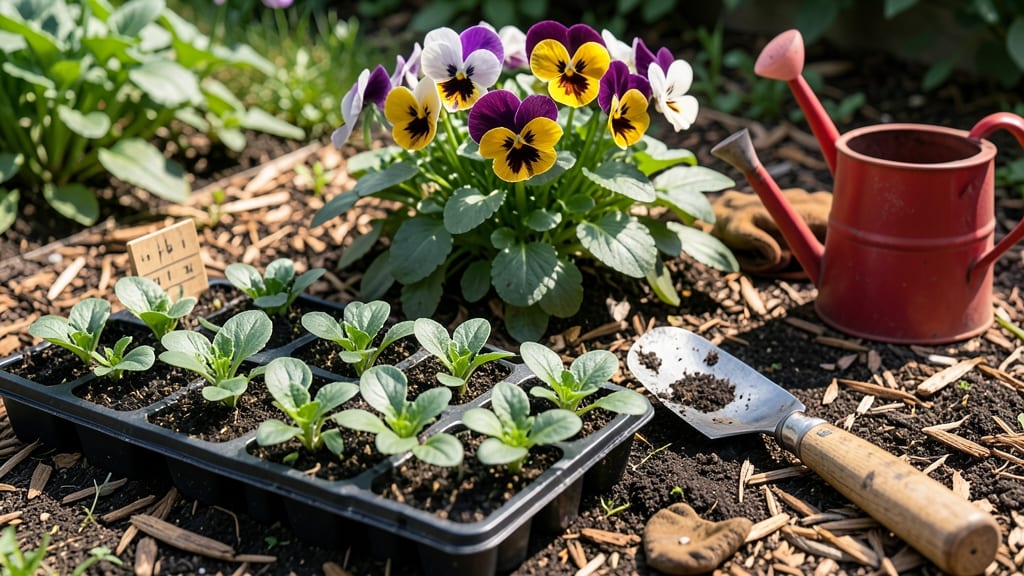
Planting pansies in Alabama works best in September-October for fall color and February-March for spring blooms, when soil temps and frost risks align perfectly.
Alabama’s mild winters and hot summers create the perfect climate for growing pansies year-round—but timing your planting is key to avoiding frost damage and maximizing vibrant blooms.
Fall-planted pansies 🌸 often outperform spring varieties, offering earlier color and longer blooming seasons before summer heat sets in. The trick is choosing frost-resistant types that handle Alabama’s occasional dips below freezing.
Below, I’ll walk you through the exact planting windows by zone, the best varieties for your yard, and how to stretch those blooms from October through March—no matter if you’re in Birmingham or the Gulf Coast.
Best planting months for pansies in Alabama by season
Alabama’s diverse microclimates—from the Gulf Coast’s humidity to Birmingham’s cooler nights—mean pansies can bloom almost year-round with the right timing. The key is planting when soil temperatures stay above 40°F but before extreme heat or frost hits.
In most of Alabama (USDA Zones 7b-8a), this means two primary windows: late summer/fall and early spring.
Fall planting is my favorite strategy because pansies thrive in cool weather and often rebloom in spring. For the Gulf Coast (e.g., Mobile), you can even plant as late as December if mild winters prevail.
Meanwhile, northern Alabama (e.g., Huntsville) gardeners should aim for September-October to avoid early frost damage. Let’s break down the best months for each season.
For fall planting, aim to get pansies in the ground 4–6 weeks before your average first frost. In Birmingham, this is typically by October 15, while Mobile gardeners can push it to November 1.
The goal is to establish roots before soil temperatures drop below 40°F, which can stunt growth. I always test soil moisture first—pansies hate soggy roots but need consistent hydration during establishment.
If you’re in northern Alabama (Zone 7b), like in Huntsville, prioritize September planting to avoid the November frost risk. Use cold-hardy varieties like 'Matrix' or 'Majestic Giant' for extra protection.
For the Gulf Coast (Zone 8a), you can experiment with December plantings, but always monitor weather forecasts. A light frost (28°F) might damage leaves, but roots often survive with mulch protection.
Spring planting in Alabama is all about timing the last frost. In Mobile, you can plant as early as February 1, while Montgomery should wait until February 15.
The last average frost date for most of Alabama is March 15, so I recommend planting by March 1 to ensure blooms before summer heat stress sets in. Pro tip: Start seeds indoors in January for a head start!
One common mistake I see is planting pansies too early in spring or too late in fall. Early spring plantings can get heat-stressed by May, while late fall plantings may not establish roots before winter.
To avoid this, always check your local frost dates (Alabama Extension’s Frost Freeze Maps are a lifesaver!) and adjust accordingly. For example, Dothan’s frost dates are 2 weeks earlier than Mobile’s.
Preparing your planting beds is just as critical as timing. Pansies prefer well-draining, slightly acidic soil (pH 6.0–6.5). Amend heavy clay soils with compost or sand to prevent root rot, and add a balanced fertilizer (5-10-10) at planting time.
In urban gardens with compacted soil, I swear by raised beds for better drainage and warmer soil in spring. Mulch with 2–3 inches of straw after planting to retain moisture and suppress weeds.
To extend your pansy season, consider succession planting. In fall, plant a batch in September and another in October for staggered blooms. In spring, repeat the process in February and March.
This technique ensures continuous color from October through May, even in Alabama’s heat. Just remember: pansies are annuals, so plan to replant each season for the best results.
Finally,
Top 5 frost-resistant pansy varieties for Alabama gardens
Alabama’s winters may be mild, but unexpected light frosts can still damage tender pansies. The good news? Some varieties thrive in USDA Zones 7b-8a and even bloom through winter. These frost-resistant pansies deliver vibrant color year-round while requiring minimal winter care.
Whether you're planting in September for fall blooms or February for spring color, these varieties won't let you down.
For gardeners in Birmingham, Huntsville, or Mobile, selecting the right variety means fewer deadheading chores and more time admiring those cheerful faces. I’ve tested these varieties in my own Alabama garden and found they handle 25-30°F temperatures without wilting.
Let’s dive into the top performers that will keep your garden lively even when neighbors pack up their pots.
The 'Matrix' series tops my list for Alabama gardens because it handles our variable winters like a champ. These compact plants (just 4-6 inches tall) produce double blooms in colors like purple, yellow, and white.
I’ve seen them rebound after 28°F nights with only a little leaf scorch. Their disease resistance is another plus—my Matrix pansies rarely get powdery mildew, even in humid Mobile summers.
For bold winter color, try 'Majestic Giant' pansies. These 6-inch-tall beauties deliver large, velvety blooms in shades like deep violet and fiery orange. They’re perfect for container gardens or edging borders.
My neighbors in Huntsville swear by them for Christmas displays because they bloom heavily even in December if planted in late September. Just be sure to mulch heavily with straw to protect roots.
Don’t overlook 'Cool Wave' pansies if you want long-lasting winter interest. This series is bred specifically for cold climates and handles 20°F temperatures with ease. The ruffled petals in colors like pink and lavender add texture to winter landscapes.
I’ve noticed they rebloom quickly after light pruning, making them ideal for cut flowers even in January. Local nurseries like Alabama Cooperative Extension often carry these in fall seed packets.
For shade-tolerant options, 'Sorbet' pansies are my secret weapon. These mixed-color varieties thrive in partial shade and produce cheerful blooms from fall to spring. Their smaller size (4 inches) makes them perfect for rock gardens or window boxes.
I’ve grown them under oak trees where other pansies would fade, and they still delivered weeks of color.
Finally, 'Ice Crystal' pansies are a white-flowering dream for winter weddings or holiday decor. These frost-resistant beauties bloom profusely in 40°F weather and their pure white petals contrast stunningly with green foliage.
For local sourcing, check Alabama-based suppliers like Pine Grove Nursery or Local Color Gardens in Birmingham. They often carry these varieties as transplants in September or seed packets in early spring.