
Plants
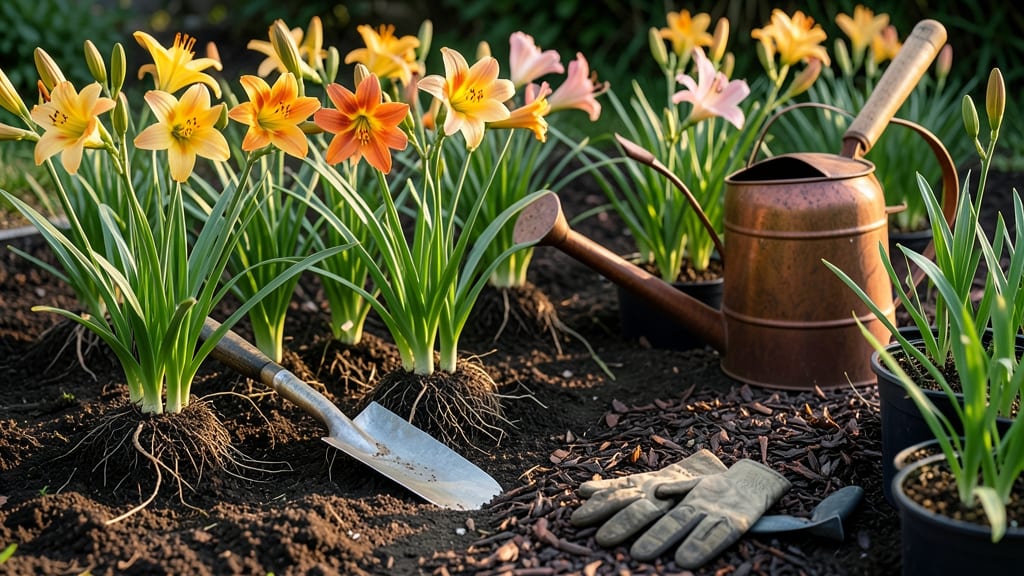
Planting daylilies in Georgia at the right time ensures vibrant blooms from spring to frost, with early spring or fall being the best windows for your zone.
Georgia’s warm climate and long growing season make daylilies a perfect perennial for vibrant, low-maintenance color—but timing your planting wrong can leave your garden struggling.
For Zone 7b-8b gardeners, early spring (March) or early fall (September-October) gives roots time to establish before summer heat or winter frost hits.
Here’s how to pick the perfect month for your region, plus tips to avoid common mistakes that stifle growth and blooms.
Georgia daylily planting calendar: best months by climate Zone
Georgia gardeners know daylilies thrive in our humid subtropical climate, but timing your planting makes all the difference. Plant too early, and you risk frost damage or heat stress—plant too late, and roots struggle to establish before winter.
The key lies in soil temperature thresholds (ideal: 60-65°F) and frost-free windows that vary by region.
Georgia spans USDA Zones 7a to 8b+, creating distinct planting zones. North Georgia’s cooler winters (Zone 7a) demand earlier planting than South Georgia’s mild winters (Zone 8b+). Let’s break down the optimal months for each zone to ensure your daylilies bloom vibrantly from spring to frost.
Pro Tip: Always plant daylily crowns with the eyes facing upward and 1-2 inches below soil level. This simple step prevents rot and encourages strong root growth—critical for Georgia’s heavy clay soils.
For North Georgia gardeners (Zone 7a), focus on early spring (March–April) or early fall (September–October). The last frost date (March 15) signals it’s safe to plant, but rush only if soil temperatures reach 60°F.
Fall planting is ideal—daylilies establish roots before winter, giving you earlier blooms next spring.
Central Georgia’s Zone 7b–8a offers flexibility. You can plant as early as March 15 (when soil warms) or stretch into late October—just ensure roots have 4–6 weeks to establish before first frost (November 15).
I’ve found September planting yields the most robust plants, as summer’s heat has passed but soil remains warm.
South Georgia’s Zone 8b+ is the most forgiving. Plant February–March for spring blooms or September–November for winter color. The milder winters mean you can even plant in December if soil stays above 60°F. Just avoid peak summer heat (June–August), when daylilies struggle with heat stress.
One critical mistake I see? Planting daylilies in Georgia’s summer (June–August). The intense heat and lack of rainfall can shock roots. If you must plant mid-year, do so in early June, keep soil consistently moist, and provide afternoon shade until roots establish.
To test soil readiness, use a soil thermometer. Daylilies thrive when soil hits 60–65°F—any cooler, and roots grow slowly; any hotter, and they risk heat damage. In Georgia, this typically aligns with late March–early April for spring planting and mid-September–early October for fall.
After planting, mulch heavily (2–3 inches) with pine straw or shredded leaves to retain moisture and regulate soil temperature. This is especially important in North Georgia’s Zone 7a, where winters can still dip below freezing. A thick mulch layer acts as insulation, protecting your daylilies’ delicate roots.
Remember: Fall planting is my top recommendation for Georgia gardeners. It gives roots time to establish before winter, resulting in stronger plants and bigger blooms the following season. Whether you’re in Zone 7a or 8b+, aim to plant by October 15 for best results.
Signs you’re planting daylilies at the wrong time in Georgia
Georgia’s daylilies thrive when planted during their ideal windows—March–April for spring or September–October for fall—but timing mistakes can sabotage your garden. If your plants show stunted growth or yellowing leaves, it’s often a sign you planted too early or late.
Let’s decode these warning signals so you can adjust and salvage your blooms.
One of the first red flags is poor root establishment. Daylilies need soil temperatures between 60°F–70°F to grow strong roots. Planting in hot summer months (June–August) stresses roots, while planting in late fall (November–December) risks frost damage before roots settle.
Both scenarios lead to weak plants that struggle to bloom.
🌱
⚠️ Wrong Planting Time = Stressed Daylilies
Too Early: Planting in February or late October exposes roots to frost risk or heat stress, causing yellowing leaves and stunted growth.
Too Late: Planting in May–July means roots struggle with intense heat, leading to poor blooming and wilted foliage.
Fix: Adjust planting to March–April (spring) or September–October (fall) for optimal root growth.
Watch for delayed or sparse blooming, another clear sign of poor timing. Daylilies planted outside their ideal windows often skip flowering or produce only a few blooms.
This happens because the plant diverts energy to root survival instead of flower production. If your daylilies are blooming late or not at all, reassess your planting schedule.
Soil temperature is a critical factor in Georgia. Use a soil thermometer to check depths of 4–6 inches—ideal temps are 60°F–70°F. If soil is too cold (<50°F), roots won’t establish; if too hot (>80°F), plants wilt. Test your soil before planting to avoid these pitfalls.
Don’t despair if you’ve already planted at the wrong time! Georgia’s climate allows for a second planting opportunity. If you missed spring, try fall planting in September. If you planted too late in summer, focus on watering deeply and mulching to protect roots until cooler temps arrive.
🌿