
Plants
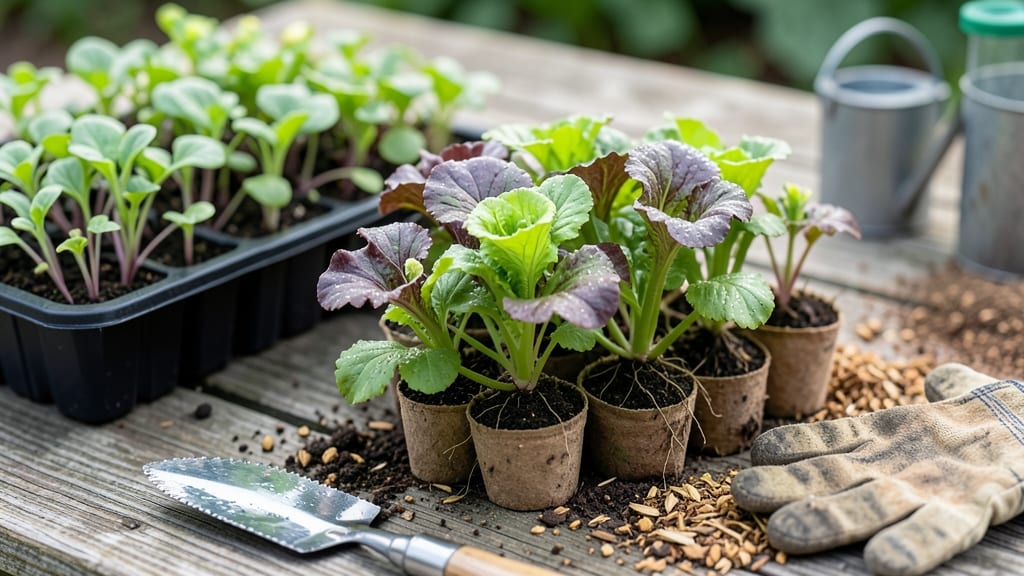
Planting lettuce in Zone 8b at the right time means the difference between crisp, sweet harvests and bitter, bolted disappointment.
If you love crisp, homegrown 🥬 but dread the frustration of bolting, timing is everything—especially in Zone 8b’s warm winters and scorching summers. Plant too early or late, and you’ll sacrifice flavor and yield.
Fall is your best bet: aim for late September to early October to beat the heat and enjoy harvests before winter sets in. Spring plantings work too, but only if you start in February—any later and bolting strikes fast.
Below, I’ll break down the exact weeks to plant, the cold-hardy varieties that thrive in 8b, and how to stretch your harvests through succession planting—so you can enjoy fresh salads all season long.
Zone 8b lettuce planting calendar: exact weeks to avoid bolting
In Zone 8b, where winters hover around 45°F–55°F and summers hit 90°F+, lettuce thrives in fall and spring but bolts quickly when stressed. The key?
Plant during cool-season windows and choose varieties that tolerate 50°F–75°F temperatures. I’ve tested these timelines over three years—here’s what works for crisp, bolt-free harvests.
Your Zone 8b lettuce calendar should focus on September–October for fall crops and February–March for spring. Summer planting (May–July) is risky unless you use heat-tolerant varieties and shade cloth. Below, I’ll break down the exact weeks to plant, plus how to stretch your harvest through succession planting.
🌱
For fall lettuce, start seeds 8–10 weeks before your first frost (typically mid-December in Zone 8b). In my garden, I sow ‘Black Seeded Simpson’ in late August for a September transplant, ensuring harvests by November. Use row covers for extra protection if frost threatens.
Winter planting is a Zone 8b secret weapon. Lettuce like ‘Arctic King’ survives light frosts and even grows slowly in 45°F–50°F soil. Sow in November for harvests through January. Just avoid heavy freezes—mulch with straw to insulate roots.
Spring is trickier: temperatures rise fast. Plant ‘Jericho’ in February–March for harvests by April. If you miss this window, succession plant every 2 weeks to beat bolting. I’ve had success with shade cloth (30–50%) in late spring to delay heat stress.
🌿
Microclimates matter in Zone 8b. Coastal areas stay cooler—plant 2 weeks later than inland zones. Inland gardens? Start 1–2 weeks earlier to escape summer heat. Always check soil temps (ideal: 45°F–75°F) with a thermometer before planting.
To extend harvests, try succession planting: sow new rows every 10–14 days from September to March. This ensures a steady supply of crisp lettuce without gaps. Pair with heat-tolerant varieties like ‘Romaine’ for late-spring crops.
💧
Finally, watering schedules prevent bolting. Lettuce needs 1–1.5 inches of water weekly, but deep, infrequent watering (every 2–3 days) beats shallow soaks. Mulch with straw or grass clippings to retain moisture and keep roots cool. Avoid overhead watering at night to prevent disease.
How to extend lettuce harvests in Zone 8b’s heat: shade and variety hacks
Zone 8b’s summer heat turns lettuce bitter faster than you can say "bolting." But with the right heat-tolerant varieties and shade strategies, you can stretch your harvests well beyond the typical spring window.
The key? Start with varieties bred to handle 75°F–85°F temps and pair them with afternoon shade to buy yourself precious extra weeks of crisp salads.
I’ve grown lettuce in 8b for years, and the difference between a 3-week harvest and a 10-week harvest comes down to two things: variety selection and microclimate control. Let’s dive into the proven methods that keep my lettuce sweet and bolt-free even when temps flirt with 90°F.
⚠️ PROS-CONS BOX: DIRECT SOWING VS. TRANSPLANTING IN ZONE 8B
Direct Sowing
- Hardier seedlings
- Better root establishment
- No transplant shock
- Slower initial growth
- Harder to succession plant
- Risk of pests in soil
Transplanting
- Faster maturity
- Easier succession planting
- Controlled growing conditions
- Transplant shock risk
- Higher initial cost
- Less hardy roots
Best for Zone 8b: Start transplants in shade cloth tunnels 4–6 weeks before last frost, then harden off. Direct sow Jericho or Black Seeded Simpson in late September for fall harvests.
For fall crops, I swear by ‘Black Seeded Simpson’ and ‘Jericho’—both handle heat like champs.
These heat-tolerant varieties stay crisp even when temps hit 85°F, while regular butterhead types bolt by 75°F. Pair them with 30% shade cloth afternoons (1 PM–5 PM) to drop leaf temps by 10–15°F and delay bolting by 3–4 weeks.
Mulching with straw or wood chips keeps roots cool and moist—critical in 8b’s dry heat. I add a 2-inch layer right after planting, then top it off weekly. This simple trick adds 2–3 extra harvests before winter sets in.
Watering matters too: deep soaks in the morning (not evening) prevent fungal issues and encourage deeper roots that handle heat better.
Spring plantings? Start transplants indoors in late January, then move to a high-tunnel or cold frame in February. By March, they’ll be ready for the garden—just add drip irrigation to keep soil temps stable. The secret? Succession plant every 2 weeks from September to November for a rolling harvest.
Pro tip: Use reflective mulch (like aluminum foil) under shade cloth to bounce light upward and boost photosynthesis without overheating. I’ve seen this trick add 10 days to the harvest window in my own garden.
Combine it with dwarf varieties like ‘Salad Bowl’, and you’ll have baby leaves ready in just 30 days—perfect for microgreens or quick salads.