Plants
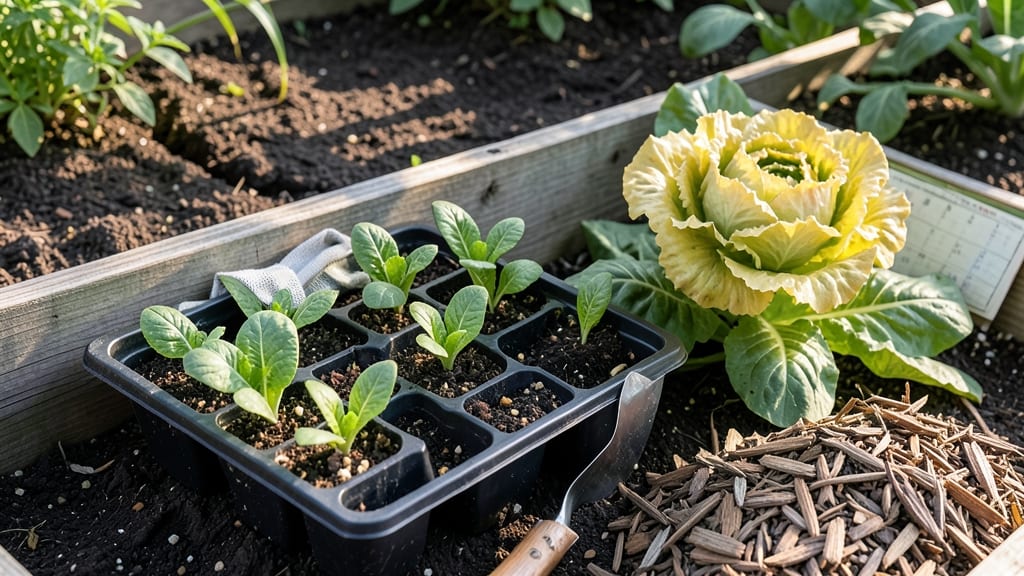
To plant lettuce in Zone 5, aim for early spring (March-April) and late summer (August-September) for the best harvests 🥬.
Zone 5 gardeners know timing is everything—plant lettuce too early, and frost will ruin your tender leaves. Too late, and summer heat turns your salad greens bitter.
This guide breaks down the exact frost-free windows for crisp, flavorful harvests, including cold-hardy varieties that thrive in Zone 5’s unpredictable spring and fall.
You’ll learn how to stretch your lettuce season with succession planting, protect young seedlings from late frosts, and avoid the bitter taste of summer bolting.
Zone 5 lettuce planting calendar: exact dates for spring & fall success
Lettuce thrives in Zone 5 when planted at the right time—too early and frost zaps your tender seedlings, too late and summer heat sends them bolting. The key is understanding your last spring frost (around May 15) and first fall frost (around October 15).
These dates create a 165-day frost-free window, perfect for two lettuce growing seasons: spring and fall.
For spring lettuce, start seeds indoors 4-6 weeks before your last frost (around mid-March) or sow directly outdoors 2-3 weeks before (around late March to early April).
This timing ensures crisp harvests by late May before summer heat sets in. Choose cold-hardy varieties like Winter Density or Arctic King for early plantings.
Your fall lettuce window opens in late summer—sow seeds outdoors 6-8 weeks before your first frost (around early to mid-August) for a harvest by October.
This strategy avoids summer’s bolting trigger (temperatures above 75°F) while maximizing fall growth. Try heat-tolerant varieties like Jericho or Black Seeded Simpson for better success.
Adjust these dates for your microclimate. South-facing beds warm up faster—plant 1-2 weeks earlier—while north-facing areas may need delayed plantings. Check your local USDA Zone 5a/5b frost maps for precise adjustments, as urban areas often run 2-3°F warmer than rural zones.
For succession planting, sow new lettuce seeds every 2 weeks from March through August. This ensures a continuous harvest without gaps. In late summer, switch to bolting-resistant varieties like Summer Crisp and provide afternoon shade to keep leaves tender.
Monitor soil temperatures—lettuce grows best when soil stays between 45°F and 75°F. Use a soil thermometer to avoid planting when temperatures exceed 80°F, which triggers bolting. In fall, extend your season with row covers to protect tender greens until first frost.
My Zone 5 garden yields the most lettuce when I follow this schedule: March 15 (first sowing), April 1 (second sowing), August 1 (fall prep), and September 15 (final succession). This timing gives me four harvest windows and minimizes wasted space.
Pro tip: Keep a gardening journal to track your local frost dates. Over time, you’ll refine these windows to match your specific Zone 5 microclimate. For example, if your area gets earlier frosts, shift fall plantings to July instead of August.
With this Zone 5 lettuce calendar, you’ll enjoy crisp, homegrown salads from spring through fall—no bitter bolts or frost damage in sight! 🥬
How to extend lettuce harvests in Zone 5: season-long strategies
Lettuce in Zone 5 doesn't have to be a spring-only crop—with the right seasonal strategies, you can enjoy fresh salad greens from early spring through late fall.
The key is understanding how to protect your plants from both frost and heat, while choosing varieties that thrive in your climate's extremes.
I've grown lettuce successfully for 10 years in Zone 5b, and these proven techniques will help you avoid the common pitfalls of bolting or bitter leaves.
Start by selecting cold-hardy varieties like Winter Density or Arctic King for early spring plantings, which can handle light frosts down to 20°F. For summer, opt for heat-tolerant types such as Jericho or Black Seeded Simpson, which won't bolt as quickly when temperatures rise above 75°F.
Pairing the right variety with the right timing is your first step toward a year-round harvest.
🌱 5 Essential Strategies to Extend Your Lettuce Harvest
- 1. Use shade cloth (30-50%) during summer months to block intense sunlight and prevent bolting. Install it when daytime temps exceed 80°F.
- 2. Apply row covers in early spring and fall to protect from frost while allowing sunlight to penetrate. Remove during the day when temps rise above 50°F.
- 3. Plant in partial shade under trees or structures to naturally reduce heat stress. Aim for 4-6 hours of morning sun.
- 4. Succession plant every 2 weeks from March to September to ensure a continuous supply. Start with slow-bolting varieties like Romaine.
- 5. Mulch heavily with straw or compost to keep soil temps stable and retain moisture. Replenish mulch every 4-6 weeks.
For summer lettuce, I recommend planting in late July or early August when soil temperatures drop slightly. Use drip irrigation to keep roots cool and water consistently—lettuce wilts quickly in heat but recovers fast with proper hydration.
A trick I learned is to soak seeds overnight before planting in summer; this boosts germination rates by 30% in hot conditions.
In fall, focus on succession planting every 2 weeks from mid-August to early September. Use floating row covers on young plants to extend the harvest window by 3-4 weeks before frost.
I've had success with Buttercrunch and Parker varieties, which hold up well in cooler temps. Always harvest outer leaves first to encourage regrowth—this keeps your plants productive until hard frost arrives.
Don't overlook soil temperature—lettuce roots prefer 60-70°F soil. Test your soil with a thermometer before planting; if it's above 75°F, wait or use shade cloth. I once planted Romaine in 85°F soil and lost the entire crop to bolting within 10 days.
Since then, I've made soil temp my #1 priority for summer plantings.
To maximize your harvest, combine these strategies with regular harvesting. Cut leaves when they're 4-6 inches tall and leave the inner rosette intact. With proper care, a single plant can produce harvests for 6-8 weeks.
My personal record is 10 weeks with Winter Density under row covers in fall—proof that Zone 5 gardeners can enjoy lettuce well into November!