Plants
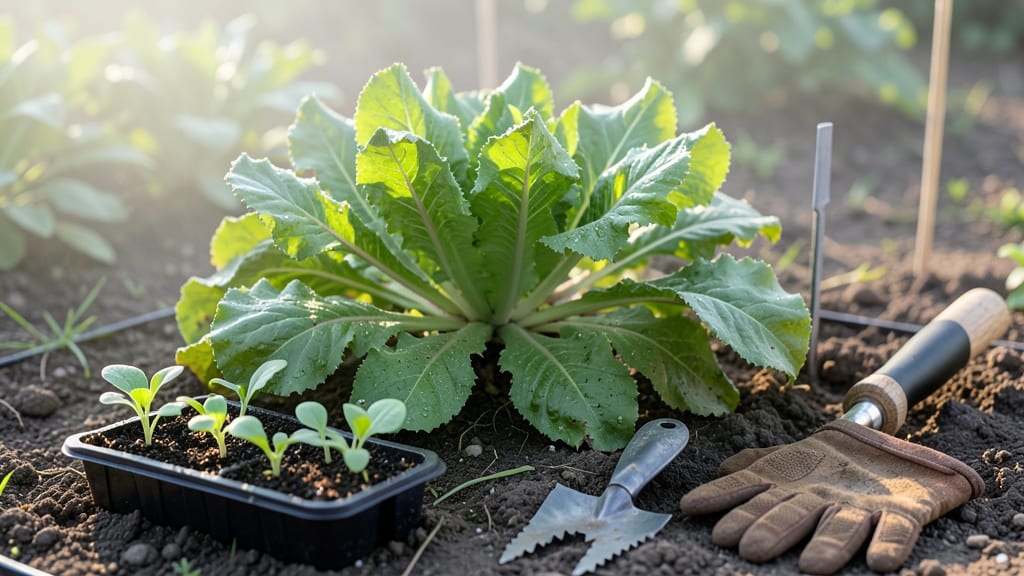
Planting lettuce in Minnesota means catching two narrow windows—spring and fall—where frost won’t turn your crisp 🥬 into a sad, wilted mess.
Minnesota gardeners know timing is everything—plant lettuce too early, and frost will ruin your harvest; too late, and summer heat turns your crisp greens into bitter bolts. Mastering the perfect frost-free window for your zone is the key to growing lettuce year-round without the stress.
In USDA zones 4a-5a, your best bet is mid-April to early June for spring lettuce, then again late July to early August for a fall crop.
These dates align with Minnesota’s last frost (around April 15) and first frost (mid-October), giving your lettuce just enough time to thrive before the cold sets in.
Below, I’ll break down the exact planting schedule by zone, share the best heat- and cold-tolerant varieties for Minnesota, and reveal pro tips to stretch your harvest—so you can enjoy fresh 🥬 from June to October without the guesswork.
Minnesota lettuce planting calendar by hardiness Zone (USDA 3-5)
Minnesota’s USDA Zones 3-5 offer unique challenges for growing lettuce—early frosts in spring and intense summer heat that triggers bolting. The key to success lies in staggered plantings that align with frost dates and temperature shifts.
Whether you're in Zone 3 (northern Minnesota) or Zone 5 (southern Minnesota), timing your lettuce correctly ensures a continuous harvest from late spring through fall.
Lettuce thrives in cool weather, making early spring and late summer the ideal planting windows. In Zone 4 (the most common in Minnesota), you can plant lettuce 4-6 weeks before the last frost (typically mid-April) and again 8 weeks before the first frost (usually late July).
For Zone 3, extend these windows by 2 weeks earlier, while Zone 5 gardeners can plant slightly later. This strategy maximizes your growing season and minimizes wasted effort.
Here’s a summary-table breaking down the optimal planting windows, harvest times, and variety recommendations for each Minnesota hardiness zone. Use this as your frost-free planting guide to plan your lettuce schedule with confidence.
| Zone | Last Frost Date | First Frost Date | Spring Planting Window | Fall Planting Window | Harvest Window | Best Varieties |
|---|---|---|---|---|---|---|
| USDA 3 | Early May | Late September | Early April to early May | Mid-July to early August | June to July, September to October | Winter Density, Arctic King, Black Seeded Simpson |
| USDA 4 | Mid-April | Mid-October | Late March to early May | Late July to early September | May to June, August to October | Winter Density, Buttercrunch, Romaine |
| USDA 5 | Late April | Early November | Early April to late May | Early August to mid-September | May to July, September to November | Black Seeded Simpson, Oakleaf, Bibb |
For Zone 3 gardeners, focus on cold-hardy varieties like Winter Density and Arctic King, which tolerate light frosts and extend your harvest into early winter. These varieties are perfect for early spring plantings and can even overwinter with mulch protection.
In contrast, Zone 5 gardeners can experiment with heat-tolerant varieties like Black Seeded Simpson or Oakleaf, which handle the late summer heat better than traditional lettuce types.
In Zone 4 (the most common in Minnesota), you’ll want to stagger plantings every 2-3 weeks from late March through early May for a continuous harvest. Repeat this strategy in late July and August for a fall crop.
This method ensures you’re always harvesting fresh lettuce without gaps. For example, plant Buttercrunch in early April for a May-June harvest, then follow up with Romaine in late July for a September-October harvest.
One common mistake Minnesota gardeners make is planting lettuce too late in spring, only to watch it bolt in the heat. To avoid this, use shade cloth during summer months or opt for heat-tolerant varieties like Jericho or Simpson Elite.
These varieties can handle warmer temperatures and are ideal for late summer plantings. Additionally, succession planting every 2 weeks ensures you’re always harvesting fresh lettuce without a break.
For fall lettuce, aim to plant 8 weeks before the
Best lettuce varieties for Minnesota’s short growing season & how to stagger plantings
Minnesota’s short growing season demands lettuce varieties that thrive in cool weather and resist bolting when temperatures rise. The key is selecting cold-hardy types for spring and heat-tolerant varieties for late summer. My top picks balance crispness, flavor, and adaptability to Minnesota’s USDA Zones 3-5.
For continuous harvests, I stagger plantings every 2-3 weeks, ensuring fresh greens from May through October.
Start with Winter Density, a cold-resistant butterhead that survives light frosts and matures in 45 days. Pair it with Black Seeded Simpson, a heat-tolerant leaf lettuce that handles summer’s 80°F+ temperatures without bolting.
For bolt-resistant options, Romaine varieties like Parris Island shine—they stay crisp even as days lengthen.
Succession planting is your secret weapon. In spring, sow seeds 4-6 weeks before your last frost date (typically mid-April in most of Minnesota). Follow with weekly plantings until early June. For fall harvests, start seeds late July to early August, giving them 6-8 weeks to mature before frost.
To maximize yields, I use shade cloth during summer heatwaves (70% shade reduces bolting). For fall plantings, extend the season with row covers until mid-October. Always space seeds ½ inch apart in rows 12 inches apart—this prevents overcrowding and improves airflow, reducing disease risk.
Pro tip: Thin seedlings to 6 inches apart once they’re 2 inches tall. Use the thinned greens in salads—they’re just as tender! For container gardening, choose dwarf varieties like Salad Bowl and plant 3-4 seeds per 12-inch pot.
With these strategies, I’ve harvested lettuce year-round in my Minnesota garden, even through late-spring frosts and early-fall chills.
Start your first planting now—even if you’re using seedlings from a nursery. Just remember: consistency is key. Whether you’re a beginner gardener or a seasoned pro, these varieties and timing tricks will keep your salad bowl stocked from spring to fall. Happy planting! 🥬