
Plants
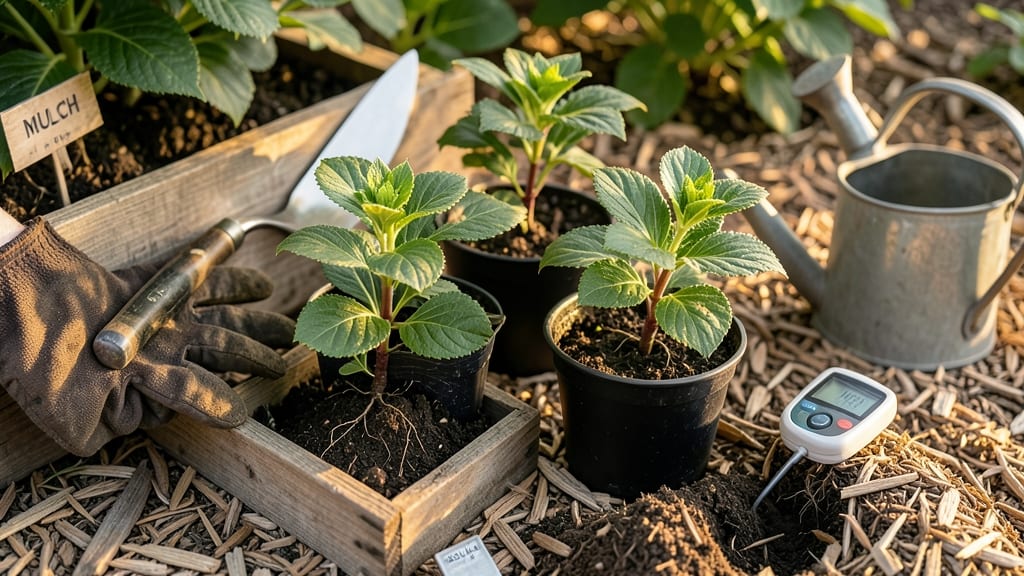
Planting hydrangeas in Massachusetts at the right time ensures vibrant blooms and strong roots that survive the variable climate 🌸 — aim for early spring or fall, when soil temperatures are just right.
Massachusetts gardeners know timing is everything—plant hydrangeas too early, and frost can damage tender roots; too late, and your blooms may never reach their full glory. But with the right schedule, you’ll enjoy lush, vibrant hydrangeas that thrive year after year.
In Zone 6a, the ideal window is between April and May or September and October, when the risk of frost has passed or the ground has cooled. This timing gives your hydrangeas the best chance to establish roots before winter’s chill sets in.
Below, I’ll break down the exact months for your specific zone, soil prep tips for Massachusetts’ clay-heavy soil, and how to protect your plants from late frosts—so you can enjoy those show-stopping blooms every summer.
Best planting months for hydrangeas in Massachusetts by hardiness zone
Massachusetts gardeners face a tricky balance when planting hydrangeas—our variable climate and late frosts demand precision timing. In zones 5b through 7a, planting too early risks frost damage to tender roots, while waiting too long can stunt your shrub's growth before winter.
The key? Plant when soil temperatures stay consistently above 50°F (10°C) and frost threats have passed—or in fall when roots can establish before dormancy.
Most hydrangeas thrive when planted either in early spring (after last frost) or early fall (6-8 weeks before first frost). For Massachusetts, that means April-May for spring planting and September-October for fall.
Your hardiness zone will slightly adjust these windows—warmer southern MA (zone 7a) has more flexibility than colder northern areas (zone 5b).
Here's the critical comparison for each zone, including soil temperature requirements and frost risk factors:
| Zone | Best Spring Planting Window | Soil Temp Requirement | Frost Risk | Best Fall Planting Window |
|---|---|---|---|---|
| 5b (Northern MA) | Mid-May to early June | 55°F+ (13°C+) | High (late frosts common) | Late August to mid-September |
| 6a (Central MA) | Late April to May | 50°F+ (10°C+) | Moderate (occasional late frosts) | Early September to October |
| 7a (Southern MA) | Early April to May | 45°F+ (7°C+) | Low (rare late frosts) | September to mid-October |
For zone 5b gardeners in northern Massachusetts, I recommend waiting until mid-May for spring planting—this ensures soil stays above 55°F (13°C) consistently. The last frost date averages around April 15, but don't rush!
Use a soil thermometer to confirm warmth before planting. In zone 7a, you can plant as early as early April since frost risks are minimal.
Fall planting offers advantages for Massachusetts gardeners: cooler temperatures reduce transplant shock, and roots establish before winter dormancy. Aim to plant 6-8 weeks before first frost—typically late August to mid-October.
For example, in zone 6a, September is ideal because it gives roots time to harden before winter while avoiding the heat stress of late summer.
Adjust your timing if you experience unusually warm springs. For instance, if your soil reaches 50°F (10°C) by early April in zone 6a, you can plant then—but monitor weather forecasts for late frost warnings.
I always check the National Weather Service and local garden clubs for updated frost predictions. Protect young plants with frost cloth if nights dip below freezing during the first two weeks after planting.
Pro tip: Container-grown hydrangeas can be planted slightly earlier than bare-root varieties since their roots are already established. For both types, water deeply immediately after planting to encourage root growth into the surrounding soil.
In Massachusetts' clay-heavy soils, amending with compost or peat moss improves drainage and helps roots establish faster.
Remember that hydrangea varieties like Oakleaf or Panicle types are more cold-hardy than Bigleaf hydrangeas, which may need extra protection in zone 5b. Always check your specific variety's hardiness rating before planting. With the right timing, your hydrangeas will reward you with vibrant blooms from summer through fall! 🌸
How to prepare your Massachusetts garden for hydrangea planting success
Hydrangeas thrive in Massachusetts when planted in well-prepared soil with the right sunlight balance and pH levels. Since MA’s climate varies from coastal warmth to inland cold snaps, your garden prep must account for these differences to ensure strong root development and vibrant blooms.
Start by testing your soil pH—hydrangeas are acid-loving plants and prefer a range of 5.0 to 6.0. Massachusetts’ native soil often leans alkaline, so you’ll likely need to amend it with peat moss or sulfur to create the ideal acidic environment for your hydrangeas.
Next, focus on sun exposure optimization. While hydrangeas need morning sunlight for energy, they’ll appreciate afternoon shade in hotter inland areas like Worcester or Springfield. Coastal regions like Cape Cod can handle slightly more sun, but avoid placing them in full afternoon sun, which can scorch leaves.
🌱 Key Takeaway for MA Gardeners
- 📅 Best Months: Plant in April-May (spring) or September-October (fall)
- 🌡️ Soil Temp: Wait until soil reaches 55°F+ (use a soil thermometer)
- 🌿 pH Adjustment: Aim for 5.0-6.0—amend with peat moss or sulfur
- ☀️ Sun Rule: Morning sun + afternoon shade (especially inland)
- 🪴 Container Tip: Use acidic potting mix and larger pots (15+ gallons)
✅ Pro Tip: Mulch with pine bark to maintain acidity and retain moisture.
For container planting, choose pots at least 15 gallons in size to accommodate root growth. Use a pre-mixed acidic potting soil and ensure drainage holes are present to prevent root rot—a common issue in MA’s humid summers.
Containers also allow you to move hydrangeas to safer spots during late frosts, which can occur as late as May 15 in inland areas.
When planting in-ground, dig a hole twice as wide as the root ball but only as deep. This encourages outward root growth, which is crucial for stability in MA’s windy conditions.
After planting, water deeply to eliminate air pockets and reduce transplant shock, a common issue for hydrangeas in cooler climates.
Finally, apply a 2-3 inch layer of mulch around the base of your hydrangeas. Use pine bark or wood chips, which slowly release acidity into the soil while suppressing weeds.
This is especially important in Zone 6a, where winters can be harsh and summers humid—both conditions that stress hydrangeas if not properly managed.
With these steps, your Massachusetts hydrangeas will establish strong roots and reward you with bold, colorful blooms from summer through fall—just in time for your garden’s peak season! 🌸