
Plants
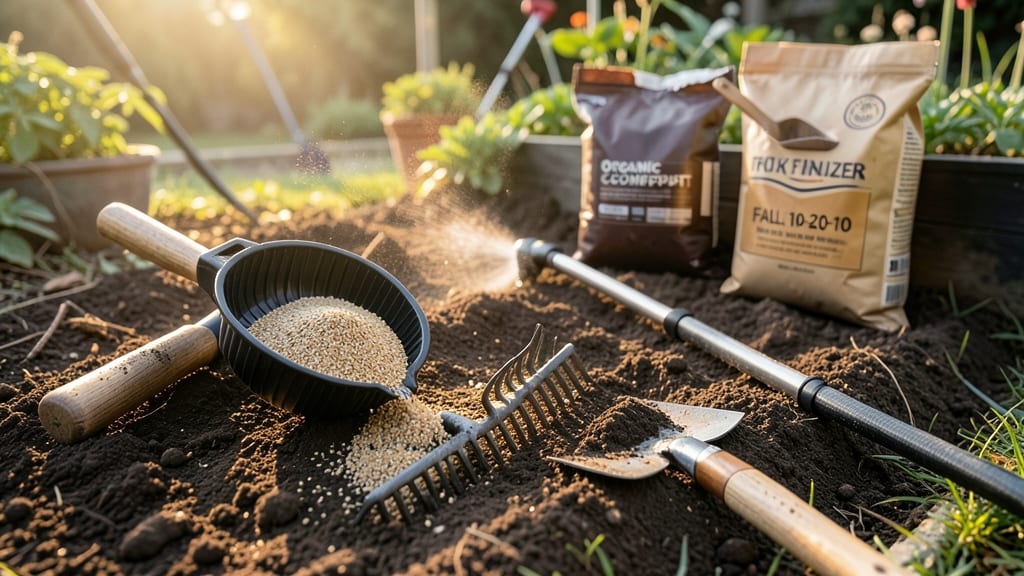
Planting grass seed in the fall creates a lush, resilient lawn by leveraging cooler temps and natural rainfall for strong root growth.
But timing is everything—plant too early, and weeds steal the show; too late, and frost stops progress before roots take hold. 🌱 The secret lies in knowing your USDA zone and the exact weeks to act for maximum success.
In Zone 6a, like much of the Midwest, the sweet spot is 4-6 weeks before your first frost—typically late September to early October. This window gives grass enough time to establish before winter dormancy kicks in.
Below, I’ll break down the zone-specific weeks for planting, how to prep your soil, and the care routine that ensures 90% germination—no guesswork, just science-backed results.
USDA Zone-by-Zone fall grass planting weeks for maximum root growth
Fall seeding gives grass seed the perfect 6-8 weeks to establish deep roots before winter dormancy. But the exact timing varies dramatically by USDA zone—plant too early in warm climates, and weeds smother your seedlings; too late in cold zones, and frost halts germination.
The key is aligning your planting with soil temperatures between 60–75°F and your local first frost date.
Northern zones (3–6) have shorter windows—often just 4–6 weeks—while southern zones (7–11) can stretch planting into November or even December in mild microclimates. Below, I’ve broken down the optimal planting weeks for each zone, plus soil prep adjustments to ensure your grass outcompetes weeds and survives winter.
For northern zones (3–6), prioritize early planting—aim to finish by mid-September to avoid winter kill. In these regions, Kentucky Bluegrass and Fine Fescue thrive when seeded while soil temps hover around 60–65°F.
I recommend testing soil moisture weekly; if it’s dry for 3+ days, water deeply before seeding to jumpstart germination.
Southern zones (7–11) offer more flexibility, but don’t wait until late November—cooler temps slow root growth. In Zone 9+, you can even plant into early December if your microclimate stays mild.
For example, coastal areas in Zone 10 might see 75°F soil temps in December, while inland zones may drop below 65°F by November.
Pro tip: Check your local Almanac frost dates and adjust by 2–3 weeks if your yard sits in a microclimate (e.g., near a lake or hillside). For
5 Critical factors that determine your perfect planting window
Timing your fall grass seed planting isn't just about the calendar—it's a science of soil temperature, local climate, and grass type. The ideal window balances cool air with warm soil, but one wrong move can leave your lawn patchy or weed-infested.
Let's break down the five factors that make or break your fall seeding success, starting with the most critical: soil temperature.
Your grass seed needs soil between 60–75°F to germinate properly. Below 60°F, seeds may rot; above 75°F, they dry out before sprouting. Use a soil thermometer to check—most regions hit this sweet spot between mid-September and early October.
For example, in USDA Zone 5, aim for mid-to-late September, while Zone 8 can extend planting until early November.
🌱
Use a soil thermometer at 2-inch depth. Wait until temps stabilize in this range for 3–5 days.
Plant 4–6 weeks before your first frost date—this gives roots time to establish before dormancy.
Aim for 1 inch of rain weekly or supplement with morning watering. Too much rain can wash seeds away.
Cool-season grasses (Kentucky bluegrass, fescue) thrive in fall; warm-season grasses (Bermuda, Zoysia) need spring planting.
South-facing slopes warm faster; shaded areas stay cooler. Adjust planting dates by 1–2 weeks for these zones.
Your grass type dictates the window too. Cool-season grasses like tall fescue and Kentucky bluegrass are fall specialists—they germinate quickly in cool soil and establish deep roots before winter. Warm-season grasses, however, like Bermuda or Zoysia, should never be planted in fall; they struggle with cold dormancy and often fail.
Always double-check your seed mix to avoid this costly mistake.
Don’t ignore local microclimates—your yard isn’t uniform. A south-facing slope might be ready for seeding weeks before a shaded north side. Test soil temps in both areas and plant accordingly.
For example, if your backyard has a microclimate with 10°F warmer soil in certain spots, those areas can handle seeding 1–2 weeks earlier than the rest of your lawn.
Three common mistakes can ruin your fall seeding: planting too early (weeds outcompete seedlings), planting too late (roots don’t mature before frost), or skipping soil prep (compacted soil blocks germination).
Avoid these by checking soil temps, using a lawn aerator before seeding, and applying a pre-emergent herbicide 2 weeks before planting to suppress weeds.
☀️