
Plants
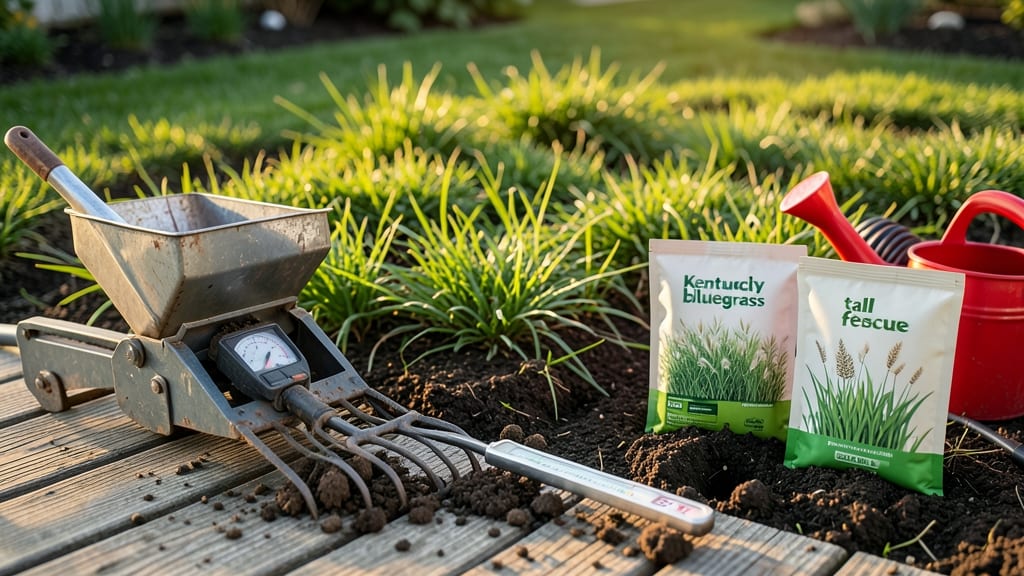
Planting grass seed in Michigan at the right time means the difference between a lush, green lawn and a frustrating patchwork of dirt and weeds.
Michigan’s unpredictable spring weather can make planting grass seed a guessing game—get it wrong, and you’ll face patchy growth or wasted seeds. But timing it right means lush, green lawns by summer, and we’ll show you exactly when to plant in your specific USDA Zone (5b or 6a).
Most Michigan gardeners swear by fall planting—between late August and early October—when soil stays warm and weeds are less aggressive. Spring is a close second, but you’ll need to wait until soil temperatures hit at least 50°F to avoid frost damage.
Below, I’ll break down the best planting windows, soil prep tips, and how to choose the right grass seed for your Michigan climate—so you can skip the trial-and-error and get it right the first time.
Best planting windows for Michigan grass seed by month (Zone 5b-6a)
Michigan’s cool-season climate means grass seed thrives in fall and early spring, but timing matters. Planting too early in spring risks frost damage, while late spring planting can stress seeds.
Fall offers cooler temps and fewer weeds, making it ideal for deep root establishment before winter. Let’s break down the perfect month-by-month windows for your zone.
Your USDA Zone 5b-6a typically sees last frost dates around April 15 and first frost dates near October 15. Soil temperatures below 50°F slow germination, while late spring heat can dry out seeds.
Fall planting—4-6 weeks before frost—gives seeds time to root without summer stress. Here’s the exact schedule to follow:
Fall planting—especially in September and early October—is my top recommendation for Michigan. Cooler air and soil moisture retention create perfect conditions for seeds to germinate and establish roots before winter.
You’ll see thicker, greener grass by next spring compared to spring planting, which often battles weed competition and drought stress.
If you must plant in spring, aim for early April to mid-May. Avoid late May plantings, as summer heat and drought conditions can leave your lawn patchy.
Always check soil temps with a thermometer—50°F or warmer is ideal for germination. Pro tip: Use a seed starter fertilizer to boost early growth.
Michigan’s Great Lakes influence means microclimates vary. Southern Michigan (Zone 6a) can plant slightly later in fall, while northern areas (Zone 5b) should start earlier. Monitor local frost forecasts and adjust your timeline accordingly.
For example, if frost is predicted earlier than October 15, shift planting to late August or September.
After choosing your window, prep the soil by aerating and dethatching to improve seed-to-soil contact. Apply a starter fertilizer with phosphorus to encourage root growth. Water lightly daily for the first 2 weeks, keeping the soil consistently moist but not soggy.
Overwatering can wash seeds away or cause fungal issues.
Why does fall planting often outperform spring? Fewer weeds emerge in cooler weather, and seeds focus energy on root development rather than leaf growth. Spring-planted grass may struggle with competition from crabgrass and summer heat stress.
For best results, combine fall planting with proper soil prep and consistent watering—this duo ensures your lawn starts strong.
Remember: Timing is everything in Michigan’s climate. Whether you choose fall or early spring, follow the soil temp guidelines and local frost dates.
With the right window, you’ll avoid common pitfalls like patchy germination or wasted seed, and enjoy a lawn that’s the envy of the neighborhood by summer.
How to prepare your Michigan lawn for grass seed success
Perfect timing and proper prep are the secrets to a thick, vibrant lawn in Michigan. Before you even think about scattering grass seed, your soil needs to be loose, fertile, and free of debris.
Michigan’s clay-heavy soils and unpredictable weather demand extra attention—skip prep, and you’ll battle patchy growth or washed-out seeds. Let’s fix that with a foolproof checklist tailored to your USDA Zone 5b-6a climate.
Start by testing your soil pH—Michigan lawns often struggle with acidic or compacted soil. Aim for a pH of 6.0 to 7.0 for most grass types. If your soil is off, add lime to raise pH or sulfur to lower it 4-6 weeks before planting.
This gives amendments time to work while avoiding seed burn from sudden pH shifts.
⚠️ CRITICAL STEP: Don’t plant grass seed on frozen, waterlogged, or overly dry soil. Michigan’s spring thaw can leave grounds soggy—wait until the top 4 inches of soil warm to 50°F or above. Use a soil thermometer to check daily if needed.
📋 Step-by-Step Michigan Lawn Prep Checklist
- Step 1: Mow Low & Remove Debris 1 Cut existing grass to 1 inch to maximize sunlight. Rake away thatch, leaves, and weeds—even small debris blocks seed-to-soil contact.
- Step 2: Aerate Compacted Soil 2 Rent a core aerator (not spike shoes!) to pull 3/8-inch plugs from the soil. Do this 2 weeks before planting in spring or 4 weeks before fall planting.
- Step 3: Test & Amend Soil 3 Use a DIY pH test kit or send a sample to MSU Extension. Adjust pH with pelletized lime (raise) or elemental sulfur (lower). Add 2-3 inches of compost for nutrients.
- Step 4: Apply Pre-Plant Fertilizer 4 Spread a starter fertilizer (high in phosphorus, like 10-20-10) at ½ lb per 100 sq ft. Water lightly to activate. Skip nitrogen-heavy fertilizers—they’ll burn tender seeds.
- Step 5: Level & Smooth the Soil 5 Fill low spots with topsoil or compost. Use a lawn roller (lightly!) to create a firm, even seedbed. Avoid over-tamping—seeds need soil contact but not compaction.
One of Michigan’s biggest mistakes? Skipping the pre-planting watering. Before seeding, give your soil a deep soak to settle amendments and create a moisture-rich environment for seeds. Aim for 1 inch of water the day before planting—this helps seeds germinate faster and reduces erosion risks from spring rains.
Pro tip: If you’re planting in fall (September-October), time your prep to finish 4-6 weeks before frost. This gives seeds time to establish roots before winter dormancy. For spring planting (April-May), prep as soon as soil thaws but avoid late May—summer heat stresses new seedlings.
Once your lawn is prepped, seed in the evening to reduce wind drift and water immediately. Keep soil consistently moist (not soggy) for the first 3-4 weeksdrought stress. With these steps, you’ll outpace weeds and patchy growth like a pro. 🌱