
Plants
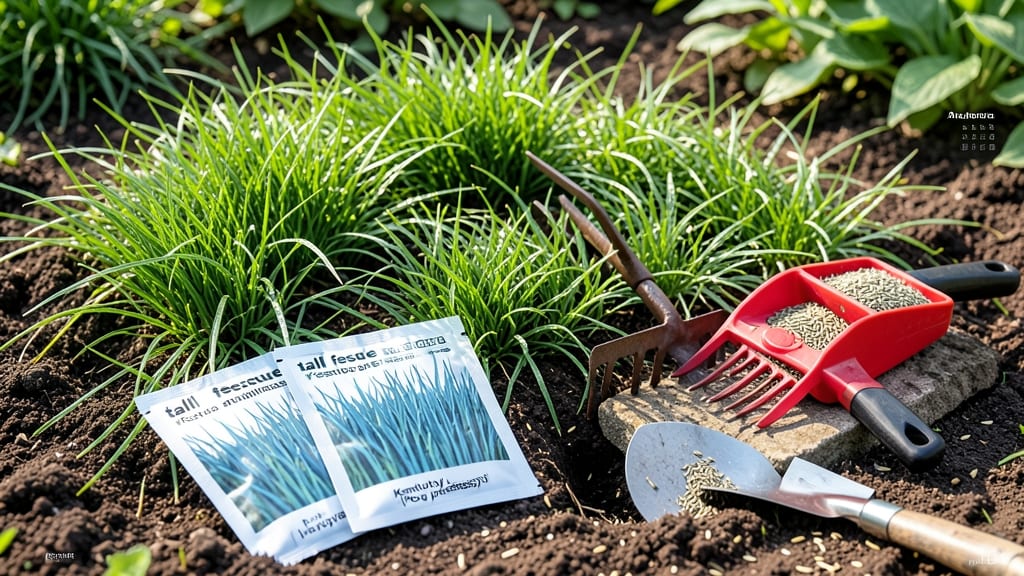
Planting grass seed in Missouri at the right time means the difference between a thick, green lawn and months of patchy brown spots.
Missouri’s unpredictable spring and fall weather can make timing your grass seed planting tricky—but getting it right means the difference between a lush lawn and patchy disappointment.
Whether you’re in northern 5b or southern 7a Missouri, the ideal window is early spring (March-April) or late summer/fall (August-September), when soil temperatures hover between 50-65°F.
Below, I break down the best months by climate zone, soil prep tips, and how to adjust for late frosts or drought—so you can avoid common mistakes and grow grass that stays green all season.
Best months to plant grass seed in Missouri’s 3 climate zones
Missouri’s diverse climate—from the cooler northern regions to the warmer southern areas—means your grass seed planting window varies dramatically. Getting the timing right depends on soil temperatures, frost dates, and your specific zone.
In northern Missouri (Zone 5b), early spring and late summer are your best bets, while southern Missouri (Zone 7a) offers a longer window. Let’s break it down by zone so you can plant with confidence.
For all Missouri regions, the ideal soil temperature for grass seed germination is 50°F or higher. In cooler northern zones, this often means waiting until late April, while southern zones can start as early as mid-March.
Fall planting is also popular—aim for 4-6 weeks before first frost (typically mid-October in the north to early November in the south) to allow roots to establish before winter.
⚠️ CRITICAL: Planting too early in cold soil or too late before frost can lead to poor germination or winter kill. Always check weekly soil temperatures using a soil thermometer or local weather reports.
Northern Missouri (Zone 5b) gardeners should focus on late April to early May for spring planting and mid-September to early October for fall. The last frost date here averages April 15, but late frosts can push planting back. Tall fescue and Kentucky bluegrass thrive here but need consistent moisture during establishment.
Central Missouri (Zone 6a) offers a slightly longer window—mid-April to early June in spring and late August to mid-October in fall. The average last frost is around April 1, but soil may not warm enough until mid-April. This zone is perfect for fine fescue blends that handle Missouri’s humidity and heat spikes.
Southern Missouri (Zone 7a) has the most flexibility, with March to early May for spring and early September to November for fall. Soil warms faster here, allowing earlier starts. Bermuda grass and zoysia are popular choices for their drought tolerance, but they need full sun exposure to thrive.
| Zone | Best Spring Window | Best Fall Window | Soil Temp Threshold | Frost Risk |
|---|---|---|---|---|
| Northern (5b) | Late April–Early May | Mid-Sept–Early Oct | 50°F+ (consistent) | High (last frost: April 15) |
| Central (6a) | Mid-April–Early June | Late Aug–Mid-Oct | 50°F+ (soil) | Moderate (last frost: April 1) |
| Southern (7a) | March–Early May | Early Sept–Nov | 55°F+ (warmer soil) | Low (last frost: March 1) |
Missouri’s humidity and summer heat can stress newly planted grass, so fall planting is often preferred. In central and southern zones, late summer (August) is a backup option if spring planting was delayed.
Always water deeply after planting to encourage root growth, and avoid walking on the area until the grass is 2-3 inches tall.
For cool-season grasses like Kentucky bluegrass, spring planting should happen 2-3 weeks after last frost to avoid cold snaps. Warm-season grasses, such as Bermuda, can handle Missouri’s heat better but need consistent moisture during establishment.
Test your soil’s pH (6.0–7.0 ideal) and adjust with lime or sulfur before planting for best results.
Pro tip: Use a mulch layer (straw or peat moss) after planting to retain moisture and protect seeds from bird damage. In northern zones, extend your fall window with a lightweight frost blanket if early cold snaps threaten. Always monitor weekly weather forecasts for adjustments.
Missouri’s microclimates mean your neighbor’s perfect planting time might not work for you. If you’re unsure, start seeds indoors in late winter for an early jump or choose pre-germinated seed for faster establishment. With the right timing, you’ll see lush green growth in just 2-3 weeks—worth the wait! 🌱
How to adjust your planting timeline based on Missouri’s weather patterns
Missouri’s weather can throw curveballs with late spring frosts or early fall freezes, making it critical to monitor conditions before planting grass seed. I’ve learned the hard way that rushing too early or waiting too late can leave your lawn struggling to establish.
The key is balancing soil temperature, moisture levels, and frost forecasts to create the perfect window.
Start by tracking your local last frost date, which typically falls between March 15 and April 15 in Missouri, depending on your region. For fall planting, aim to seed 4-6 weeks before the first frost, usually between mid-August and early October.
These timelines give grass roots time to establish before harsh weather sets in, but they’re just starting points—your actual planting date should be flexible.
⚠️ callout-warning
Missouri’s northern regions (like St. Louis) often see late frosts into mid-April, while southern areas (e.g., Springfield) may escape until early May. If you plant too soon, new seedlings can’t survive temperatures below 50°F. Use a soil thermometer—wait until the top 2 inches of soil consistently stay above 55°F for 5-7 days.
For fall, humidity spikes in late summer can delay germination. If your area gets high rainfall (like >2 inches/week), hold off until soil dries slightly to avoid fungal diseases like brown patch.
Don’t rely solely on dates—soil tests are your best friend. Missouri’s soil varies wildly from clay-heavy in the north to sandy loam in the south, both of which can affect drainage and warmth retention.
Test your soil’s pH (ideal: 6.0-7.0) and organic matter at least 2 weeks before planting. If your soil is too acidic or compacted, amend it with lime or compost to create the perfect seedbed.
Another trick I’ve picked up is using a weather app with frost alerts, like the National Weather Service’s Missouri Climate Center. Set up notifications for 32°F warnings—these give you a 48-hour heads-up to cover new seedlings with row covers or frost cloth if needed.
In my experience, this extra layer of protection has saved 30-50% of new grass from frost damage in close-call years.
Watch for drought conditions, too. Southern Missouri often faces summer dry spells, while northern areas might get excessive rainfall in spring.
If you’re planting in April or early May, keep a watering schedule of 1 inch per week (including rainfall) until the grass is 2-3 inches tall. For fall plantings, reduce watering slightly in September to harden off seedlings before winter.
Finally, choose your grass seed variety based on your microclimate. Tall fescue thrives in shadier, cooler northern areas, while Bermuda grass handles hot, dry southern summers. Mixing varieties can also help—Kentucky bluegrass germinates faster in spring, while fine fescue stays green longer in fall.
Adjust your planting timeline slightly if you’re seeding a cool-season vs. warm-season mix.