
Plants
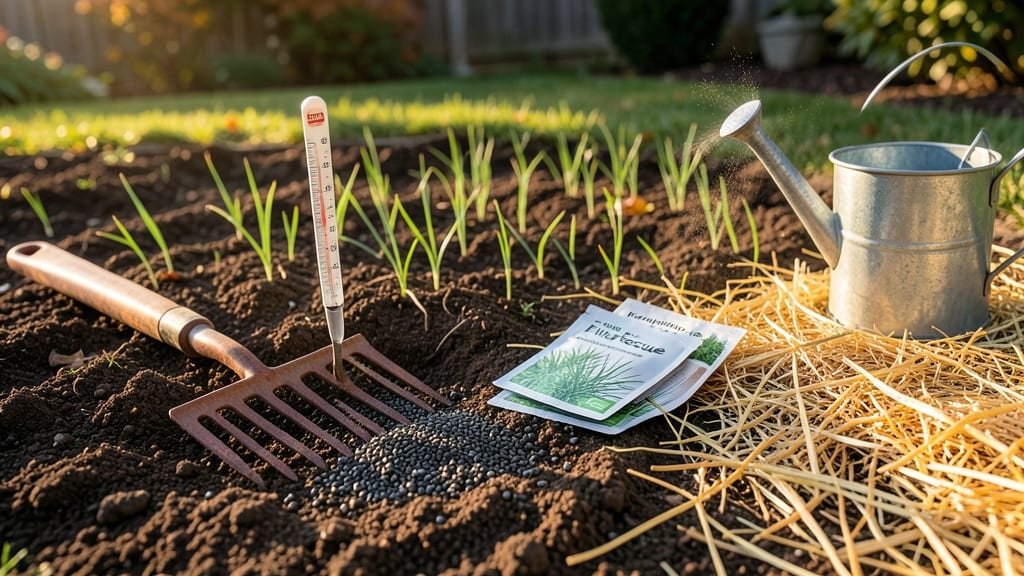
Planting grass seed in Massachusetts spring starts 4-6 weeks before your last frost date—typically between mid-March and early May—to give seedlings time to establish before summer heat.
Timing your grass seed planting in Massachusetts can mean the difference between a lush, green lawn and months of patchy growth. But with the state’s diverse climate zones, knowing exactly when to plant—down to the week—is critical for success.
In zones 5b-6b, soil temperatures must reach at least 50°F for consistent germination, while coastal areas may need to wait an extra week due to slower warming. Skipping this window risks weak roots or seedling stress from early heat.
Below, I’ll break down the exact week-by-week schedule for your zone, soil prep secrets, and how to pick the right grass blend—plus when to water and fertilize for a thick, resilient lawn by summer.
Massachusetts spring grass seed planting timeline by climate Zone (2024 guide)
Massachusetts' three USDA climate zones (5a, 6a, 7a) create dramatically different spring planting conditions. In Zone 5a (northern MA), frost can linger until mid-May, while Zone 7a (southern MA) often sees last frosts by early April.
Cool-season grasses like Kentucky bluegrass and tall fescue thrive when planted 4-6 weeks before the final frost, but timing varies 10+ days between regions.
Soil temperature is your most critical factor—grass seeds need 50°F+ surface temps for consistent germination. Coastal areas warm faster than inland valleys, so adjust your schedule accordingly. Early March planting in Zone 7a might work, while Zone 5a gardeners should wait until late April to avoid frost damage.
Let's break down the exact week-by-week windows for each zone.
| Zone | Last Frost Avg. | Ideal Planting Window | Soil Temp Threshold | Best Grass Varieties |
|---|---|---|---|---|
| 5a (North) | May 10-20 | April 15 - May 5 | 50°F+ (consistent) | Tall fescue, Fine fescue |
| 6a (Central) | April 25 - May 10 | March 25 - April 15 | 45°F+ (minimum) | Kentucky bluegrass, Perennial ryegrass |
| 7a (South) | April 10-20 | March 10 - March 30 | 40°F+ (safe germination) | Turf-type tall fescue, Mixes |
For Zone 5a gardeners in Northampton or Greenfield, aim to plant between April 15-25 when daytime highs reach 60°F+.
Use a soil thermometer to confirm temps—if readings dip below 50°F at night, delay planting. Zone 6a areas like Worcester or Boston can start as early as late March, but monitor 7-day forecasts for frost warnings.
Southern Zone 7a regions (e.g., Providence RI border) offer the earliest windows, with March 10-20 being ideal for turf-type tall fescue.
However, avoid planting if nighttime lows remain below 40°F—seeds may rot before sprouting. Coastal microclimates (like Cape Cod) can plant 2 weeks earlier than inland areas at the same latitude.
Don't rely on calendar dates alone—check UMass Extension's frost maps annually, as climate change has shifted last frost dates 1-2 weeks earlier in some areas. 2024 projections suggest Zone 5a may see earlier planting windows, but verify with local data.
For maximum success, plant when 50% of days exceed 50°F and no frost is forecast for 10 days.
Pro tip: Pre-germinate seeds by soaking them overnight in lukewarm water for Zone 5a plantings—this 24-hour head start compensates for cooler soils. Use a light mulch (straw, not hay) after planting to retain moisture and protect tender sprouts from late frosts.
Water daily for the first 14 days, keeping soil consistently moist but never soggy.
If you miss the spring window, fall planting (early September) is your second-best option—grass seeds establish roots before winter and outperform spring plantings in Zone 5a.
But spring is ideal for repairing thin lawns or establishing new turf, as longer daylight hours fuel faster germination. Test your soil pH (aim for 6.0-7.0) and amend with lime if needed before planting.
Remember: Kentucky bluegrass spreads aggressively but needs full sun, while fine fescue tolerates partial shade—choose your variety based on your lawn's light conditions. For shady areas, mix fine fescue with creeping red fescue for better coverage.
Always buy seed locally to ensure climate-adapted varieties that thrive in Massachusetts' humid summers and freezing winters.
🌱
Critical factors that determine the perfect planting window in Massachusetts
Massachusetts’ diverse climate means your grass seed planting success depends on more than just calendar dates. Coastal areas like Cape Cod and Boston often see earlier last-frost dates than inland regions like Worcester or the Berkshires.
For example, coastal zones may hit 50°F soil temperatures by mid-March, while inland areas might wait until April.
Your local microclimate also plays a role. Urban heat islands in cities like Springfield can warm up faster than rural areas, creating a 2-3 week difference in planting windows. Always check UMass Extension frost maps for your specific ZIP code to avoid planting too early and risking frost damage.
Rainfall patterns matter just as much as temperature. March and April typically bring 3-4 inches of rain across Massachusetts, but drought conditions can delay planting. If your area receives less than 1 inch of rain per week, supplement with drip irrigation to keep soil consistently moist during germination.
🌱 Massachusetts Planting Rules of Thumb
- Soil Temp: Wait until soil reaches 50°F+ at 4" depth (use a soil thermometer).
- Frost Risk: Plant 4-6 weeks before your area’s last frost date (check UMass Extension).
- Rainfall: Aim for 1 inch/week; supplement if drought occurs.
- Coastal vs. Inland: Coastal areas plant 2-3 weeks earlier than inland zones.
Pro Tip: Use cool-season grasses like Kentucky bluegrass or tall fescue for spring planting—they thrive in 50-75°F soil.
Don’t rely solely on average frost dates. In 2023, Boston’s last frost occurred May 1, while Worcester saw frost as late as May 15.
Use NOAA’s frost prediction tool to adjust your planting timeline. If you’re unsure, opt for late April planting—it’s safer than rushing in March.
Adjust for early or late springs by monitoring soil temperature daily. If temperatures drop below 40°F at night, cover newly seeded areas with straw mulch to protect tender seedlings. For late springs, extend your planting window into early June—just be prepared for summer heat stress.
Finally, consider your grass seed variety. Tall fescue germinates faster in cooler soils (45°F+), while Kentucky bluegrass prefers 55°F+. Match your seed to your local climate zone for the best results. Always test your soil’s pH (6.0-7.0 ideal) before planting—acidic soils can delay germination.