
Plants
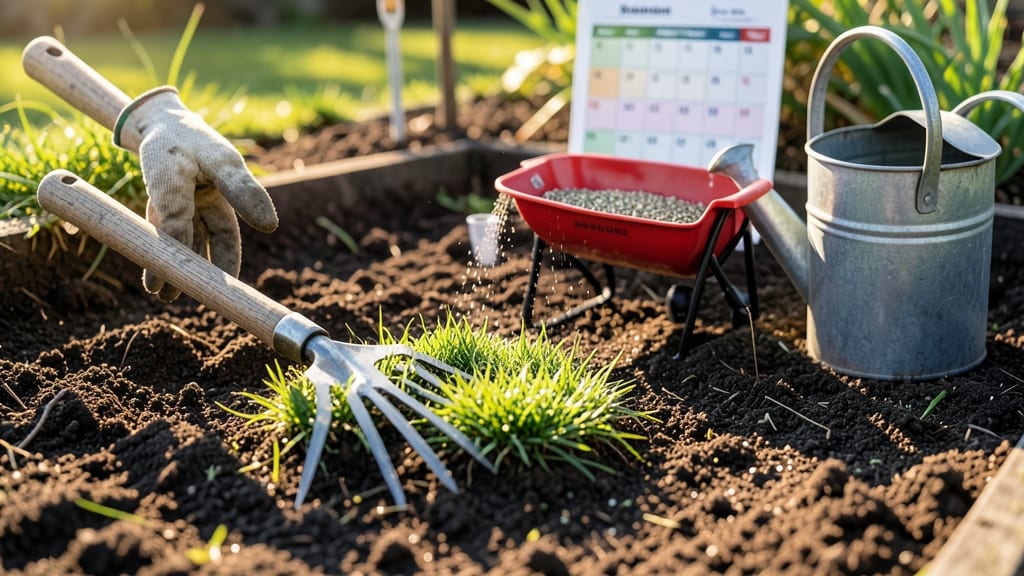
The best time to plant grass seed in Massachusetts is late August through early October or early April to mid-May, when soil temperatures and frost risks align perfectly for germination.
Planting grass seed 🌱 at the wrong time in Massachusetts can mean wasted effort, uneven growth, or even total failure—so timing your seed drop perfectly is the secret to a lush, green lawn.
Spring planting works if you wait until the soil warms to at least 50°F, but fall is often the better bet in 5b-6b zones because cooler temps reduce weed competition and help roots establish before winter.
Below, I break down the exact frost-free window by region, soil prep steps to boost success, and how to tell when your seed is ready to sprout—so you can skip the guesswork and get a lawn that thrives.
Massachusetts grass seed planting calendar: frost-free window & soil temperature rules
Timing is everything when planting grass seed in Massachusetts. The cool-season climate means you have two prime windows: fall and spring. Planting outside these times risks frost damage, poor germination, or uneven growth. Let’s break down the ideal soil temperatures and frost-free windows to maximize your lawn’s success.
Massachusetts spans USDA zones 5b-6b, meaning frost dates vary by region. Western areas like Pittsfield often see earlier last frosts than coastal Boston. For most of the state, aim to plant 4-6 weeks before the first frost in fall or after the average last frost date in spring.
This timing ensures your grass establishes strong roots before winter or summer stress sets in.
Soil temperature is the non-negotiable factor for germination. Grass seed needs consistent soil temps of 50°F or higher to sprout. In spring, wait until the ground warms naturally—don’t rush it!
Fall planting works because soil stays warm from summer heat while nights cool down. Use a soil thermometer to check depths of 2-4 inches for accuracy.
Here’s your Massachusetts grass seed planting calendar at a glance, including regional frost dates and ideal soil conditions:
Fall planting is my top recommendation for Massachusetts lawns. The 60-day window before frost lets grass establish deep roots, making it 30% more drought-resistant by next summer. Plus, cooler temps mean fewer weeds competing with your seedlings.
If you’re planting in spring, don’t rush—wait until the soil stays above 50°F for 5+ days to avoid frost kill.
Regional differences matter! Coastal areas like Cape Cod can plant grass seed 2 weeks earlier than inland spots like Worcester due to milder microclimates. Check your local USDA frost map or use a weather station app to track soil temps in real time.
Pro tip: Plant in the late afternoon to reduce seed exposure to afternoon sun and wind.
Soil prep is just as critical as timing. Before planting, rake the area to break up compacted soil and remove debris. Add a thin layer of compost (¼ inch) to improve drainage and nutrient content.
If your soil is sandy or clay-heavy, mix in topsoil or peat moss to create an ideal seedbed. Test your soil’s pH level—aim for 6.0-7.0 for optimal grass growth.
Once you’ve planted, consistent moisture is key. Water lightly but frequently (twice daily for 10 minutes) to keep the top inch of soil moist until germination. After sprouts appear (7-14 days), switch to deep watering 2-3 times weekly.
Avoid overwatering, which can drown seedlings or cause fungal diseases like dollar spot.
Remember: Fall planting = stronger lawn. The grass you establish in September will outperform spring plantings by next summer. If you’re in a shady area, opt for fine fescue and plant in early fall to avoid summer heat stress. For sunny lawns, Kentucky blue
Best grass seed types for Massachusetts seasons & how to choose
Massachusetts’ cool-season climate (USDA Zones 5b-6b) means cool-season grasses dominate lawns here. These varieties thrive in fall and spring planting windows when soil temps hover between 50°F and 65°F. Warm-season grasses like Bermuda or Zoysia? Not ideal—they struggle with our cold winters and short growing seasons.
For year-round resilience, I recommend blending Kentucky bluegrass (durable but high-maintenance), fine fescue (shade-tolerant and drought-resistant), and perennial ryegrass (fast germinating). Each excels in different MA microclimates, from coastal breezes to inland frost pockets.
If you’re planting in spring, prioritize Kentucky bluegrass or tall fescue blends—they bounce back faster after winter. For fall planting, fine fescue and perennial ryegrass pair well because they establish roots before first frost (usually mid-October in MA).
Pro tip: Mix 30% Kentucky bluegrass, 50% fine fescue, and 20% perennial ryegrass for a low-maintenance, shade-friendly lawn that handles MA’s humid summers and freezing winters. Test your soil first—aim for a pH of 6.0–7.0 for optimal germination.
For high-traffic areas, add 10% creeping red fescue to the mix—it’s wear-resistant and stays green longer in drought. Just avoid warm-season grasses like Bermuda; they’ll brown out by November and take months to recover.
Timing is everything: Plant 4–6 weeks before first frost (typically late August–early September) for fall, or wait until soil hits 50°F+ in spring (usually mid-April). Skip summer planting—heat stress and drought will kill seedlings before they sprout.