
Trees
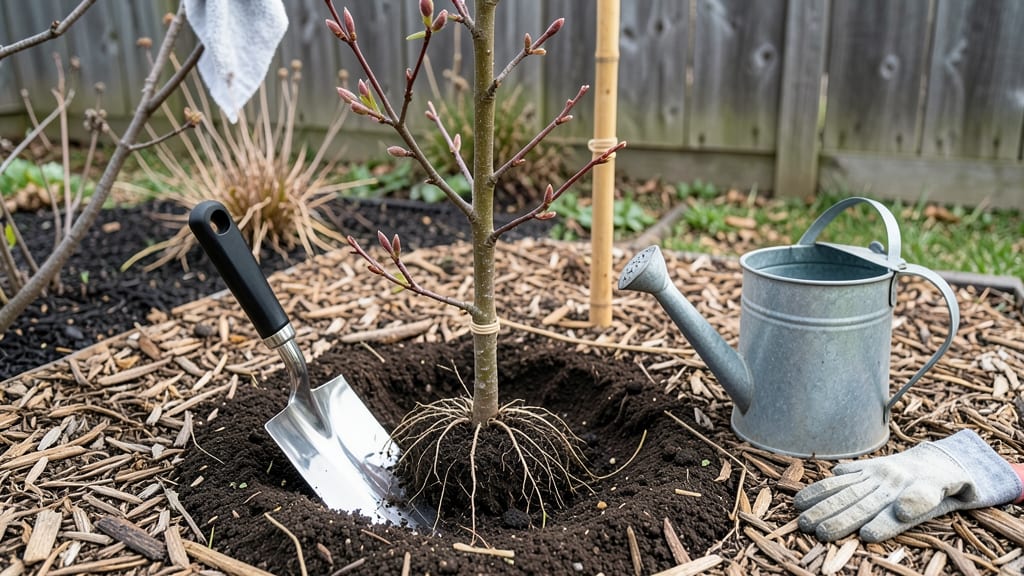
Planting fruit trees in Virginia at the right time ensures they get the chill hours they need to fruit—and skipping that window can mean years of empty branches.
Picture this: You’ve just dropped $100 on a peach tree, only to watch it struggle through a Virginia winter because you planted it too late. The difference between a thriving orchard and a sad sapling often comes down to timing, especially when chill hours matter as much as sunshine.
Virginia’s climate varies wildly from the cooler mountains to the milder coast, and each microclimate demands a different approach. Whether you’re in the Piedmont or Tidewater, knowing when to plant—from bare-root saplings in early spring to container-grown trees in late winter—can make or break your harvest.
Here’s what you need to know: the best months by region, how to read your soil’s readiness, and the one mistake that kills more fruit trees than frost ever will. Let’s get those roots in the ground the right way.
Virginia’s chill-hour zones: matching fruit trees to your microclimate
Virginia’s diverse climate creates microclimates where chill hours (the number of hours below 45°F during dormancy) determine which fruit trees thrive in your yard. From the mountains of Southwest Virginia to the coastal plains, chill hours range from 300 to 1,200 hours.
Choosing the right tree ensures fruit set and consistent yields—not just survival.
For example, peach trees need 300–500 chill hours to produce fruit, while apple varieties like Honeycrisp require 800–1,200 chill hours. Planting a peach tree in the Blue Ridge Mountains (where chill hours exceed 1,000) will leave you with no fruit—just beautiful blossoms.
Let’s match your zone to the perfect fruit trees.
Here’s how Virginia’s chill-hour zones break down by region and which fruit trees align best with each:
If you’re in Coastal Virginia (e.g., Norfolk or Virginia Beach), stick to low-chill varieties like Elberta peaches or Brown Turkey figs. These trees thrive with 300–500 chill hours and won’t suffer from excessive winter cold.
Meanwhile, gardeners in Blacksburg or Roanoke can confidently plant Honeycrisp apples, which need 900+ chill hours to set fruit.
For Northern Virginia (e.g., Arlington or Fredericksburg), Liberty apples and Moonglow pears are excellent choices, as they fit the 700–900 chill hour range. These varieties balance fruit production with winter hardiness, making them reliable for home orchards.
Always check the Virginia Cooperative Extension for localized chill-hour data, as microclimates can shift even within a 5-mile radius.
One common mistake is assuming all apple trees have the same chill requirements. For instance, Gala apples need 600–800 chill hours, while Granny Smith requires 800–1,000 hours.
Planting a Granny Smith in Richmond (typically 600–700 chill hours) will result in poor fruit set or no fruit at all. To avoid this, always cross-reference your local chill-hour average with the tree’s requirements.
Another tip: Dwarf rootstocks are ideal for Virginia gardens, as they adapt better to urban microclimates and small yards. For example, a dwarf Honeycrisp apple tree on M.9 rootstock will thrive in Northern Virginia and produce fruit in 3–5 years, compared to 7–10 years for standard-sized trees.
Pair dwarf trees with pollination partners (e.g., plant two apple varieties for cross-pollination) to ensure consistent harvests.
When selecting trees, prioritize disease-resistant varieties, especially for apple and pear trees, which are prone to fire blight and cedar apple rust in Virginia’s humid climate. For instance, Akane apples resist scab and fire blight, making them a low-maintenance choice for 700+ chill hour zones.
Always purchase trees from reputable nurseries that specify chill-hour requirements on the tag.
Finally, remember that chill hours aren’t the only factor. Soil type, drainage, and sun exposure also play critical roles. Virginia’s clay-heavy soils can suffocate roots, so amend with compost and sand
Best planting months for Virginia fruit trees by region
Virginia’s climate varies dramatically from the cooler mountains to the warmer coastal plains, so timing your fruit tree planting is critical. In Northern Virginia, where winters are harsh, you’ll want to plant while trees are still dormant but soil is workable.
Meanwhile, Coastal Virginia offers a longer window thanks to milder winters. Let’s break down the best months for each region and what to watch for.
For all regions, the key is planting before bud break—typically between late winter and early spring. This ensures roots establish before the tree focuses on foliage.
In Piedmont Virginia, the moderate climate creates a sweet spot for planting, but you’ll still need to align with chill hours for varieties like apple and peach. Let’s dive into the specifics for each area.
- 1 Northern Virginia (USDA Zones 5-6): Plant apple and pear trees in late winter to early March—soil should be 40-50°F. Avoid planting too early; late frosts can damage new roots.
- 2 Piedmont Virginia (Zones 6-7): Ideal window is mid-February to early April. Peach and plum trees thrive here—plant when soil is 50-60°F and chill hours are met (typically 500-800 hours).
- 3 Coastal Virginia (Zones 7-8): Extend planting until late March to early April. Fig and persimmon trees do well here—soil should be 55-65°F. Avoid planting after mid-April to prevent heat stress.
- 4 Soil Prep Tip: Amend clay-heavy soils with compost or sand to improve drainage. Test pH (6.0-7.0) and add lime if needed. Mulch with wood chips to retain moisture.
- 5 Dormancy Timing: Plant bare-root trees in dormant season (November-March). Container-grown trees can be planted year-round but avoid extreme heat or cold. Water deeply after planting to reduce transplant shock.
Regardless of region, always check local frost dates—Coastal Virginia’s last frost is typically mid-March, while Northern Virginia can see late frosts into April. Use a frost-free date calculator from the Virginia Cooperative Extension to refine your timing.
For peach trees, which are sensitive to late frosts, consider planting low-chill varieties in Coastal Virginia.
One mistake I see often is planting too early in Northern Virginia, thinking the ground is thawed. But cold soil slows root growth, leaving trees vulnerable to winter dieback. Aim for workable soil—you should be able to dig a hole without compacting the earth.
In Coastal Virginia, the risk shifts to heat stress if you wait too long, so don’t delay past early April.
Pro tip: If you’re unsure about your chill hours, consult the Virginia Tech Fruit Tree Database. They list varieties matched to your region’s winter chill accumulation.
For example, ‘Honeycrisp’ apples need 800-1,000 chill hours, while ‘Elberta’ peaches thrive with 500-600 hours. Matching your tree to your zone is the secret to consistent harvests.
Finally, don’t forget post-planting care. After planting, water deeply once a week for the first month, then taper to every 2-3 weeks unless drought conditions persist. Apply a 2-inch layer of mulch around the base (but not touching the trunk) to protect roots and retain moisture.
With the right timing and care, your Virginia fruit trees will reward you with decades of harvests. 🌳