Trees
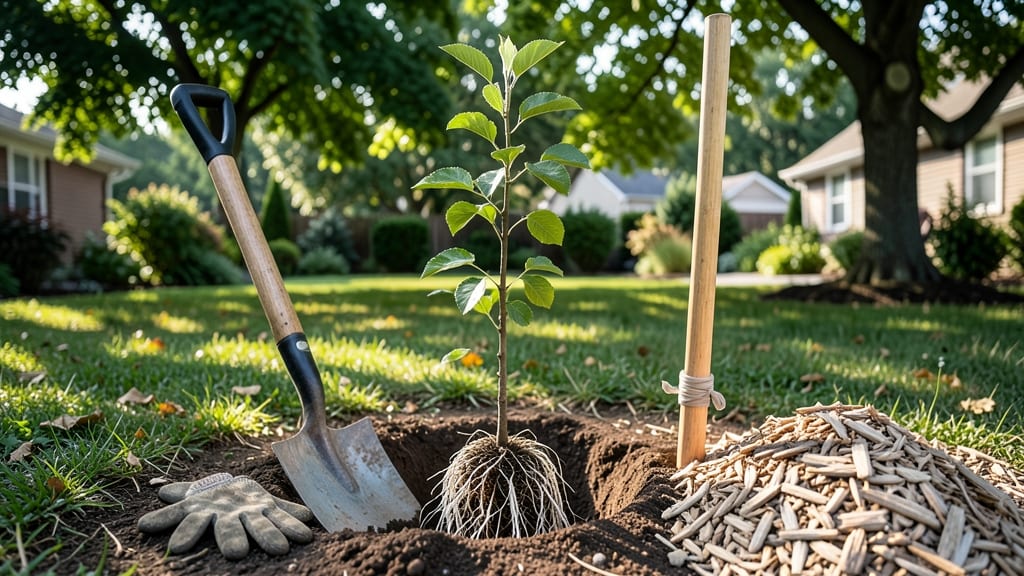
Planting apple trees in Oregon at the right time means the difference between a thriving 🍎 orchard and a sad, frost-bitten sapling.
Oregon’s diverse climate—from coastal mist to high-desert heat—means planting apple trees at the wrong time can spell failure, even with the best varieties.
In USDA zones 7b-9a, the best window runs from late winter to early spring, when soil temperatures rise but frost risks fade. But timing isn’t one-size-fits-all: Portland’s last frost hits around March 15, while Southern Oregon can wait until April 15.
Below, I break down the exact months for your microclimate, soil prep secrets, and how to pick between bare-root and container-grown trees for long-term success.
Oregon’s microclimate zones and their ideal apple tree planting months
Oregon’s diverse climate creates five distinct microclimates where apple trees thrive—but only if planted at the right time. The Willamette Valley and Columbia Gorge have milder winters, while Eastern Oregon and Cascade Foothills face harsher frost risks.
Even the Coast Range has its own unique schedule. Timing matters because planting too early risks late frosts, and too late delays root establishment.
Apple trees need 6-8 hours of sun daily and well-draining soil with a pH between 6.0-7.0. Oregon’s USDA zones 7b-9a mean some areas can plant earlier, while others must wait until after the last frost.
For example, Portland’s last frost typically occurs around March 15, but Bend’s last frost can linger until May 1. Let’s break down the best planting windows for each zone.
| Microclimate Zone | Ideal Planting Month | Last Frost Date | Soil Prep Tip | Best Varieties |
|---|---|---|---|---|
| Willamette Valley | Late February - Early April | March 15 | Amend clay soil with compost | Honeycrisp, Fuji, Gala |
| Columbia Gorge | March - Early April | April 1 | Test pH (often acidic) | Granny Smith, Pink Lady |
| Eastern Oregon | April - May | May 15 | Add sand for drainage | Jonathan, Rome |
| Coast Range | March - Early April | March 20 | Improve drainage with gravel | McIntosh, Cortland |
| Cascade Foothills | April - Early May | May 10 | Mulch heavily for frost protection | Braeburn, Golden Delicious |
For the Willamette Valley, plant bare-root trees in late February to avoid late frosts that can damage emerging buds. This zone’s mild winters allow early planting, but Honeycrisp and Fuji varieties thrive here with well-amended clay soil.
If your soil tests below pH 6.0, add lime 2-3 months before planting.
The Columbia Gorge has cooler nights and warmer days, making March-April ideal. Choose cold-hardy varieties like Granny Smith or Pink Lady, as this zone’s acidic soils can stunt growth. Test your soil’s pH level—if it’s below 5.5, mix in wood ash to raise it gradually.
Eastern Oregon, including Bend and La Grande, has later
How to Choose the perfect planting window for your Oregon location
Selecting the right time to plant your apple tree in Oregon depends on more than just the calendar—it’s about understanding your microclimate and frost dates. In my experience, planting too early risks frost damage, while waiting too long can stunt root growth.
Oregon’s USDA zones 7b-9a create unique challenges, from Portland’s mild winters to the high desert’s sharp temperature swings.
For most of Oregon, the ideal planting window is between late winter and early spring—specifically February through April. This timing aligns with when soil temperatures rise above 40°F (4°C) and before buds begin to swell.
However, varieties like Honeycrisp and Fuji have different cold-hardiness needs, so I always check local frost data before digging in.
-
1Check your last frost date: Use the Oregon State University Extension frost map. Portland’s average last frost is March 15, while Southern Oregon can wait until April 15. Plant 2-4 weeks before your local last frost date.
-
2Test soil temperature: Use a soil thermometer to confirm temps are above 40°F (4°C). Cold soil slows root establishment. In Eastern Oregon, wait until mid-April when nights are reliably above freezing.
-
3Choose the right variety: Honeycrisp thrives in cooler zones (7b-8a), while Fuji prefers warmer areas (8b-9a). Match your tree to your microclimate—coastal areas benefit from disease-resistant varieties like Gala or Granny Smith.
-
4Adjust for early/late seasons: If you’re in a warmer microclimate (e.g., Southern Oregon), you can plant as early as February. In colder areas (e.g., Eastern Oregon), delay until mid-April to avoid frost. Container-grown trees offer flexibility—plant them in spring or fall.
-
5Prepare the site ahead: Amend your soil with compost and a balanced fertilizer (10-10-10) 4-6 weeks before planting. Oregon’s native soils are often acidic, so add lime if your pH is below 6.0.
Don’t overlook the importance of bare-root vs. container-grown trees. Bare-root trees must be planted during their dormant season (late winter to early spring), while container-grown trees can be planted year-round but still thrive best in spring or fall.
I’ve found that container-grown trees adapt faster to Oregon’s varied soils, making them a great choice for beginners.
If you’re unsure about your local frost dates, I recommend using the National Oceanic and Atmospheric Administration (NOAA) frost calculator. Input your ZIP code to get precise data for your area. For example, the Columbia Gorge often experiences later frosts than Portland, so I adjust my planting schedule accordingly.
Once you’ve nailed down the timing, focus on planting depth and watering. The root flare should sit just above soil level, and the first deep watering should happen immediately after planting. Mulch around the base to retain moisture and regulate soil temperature—critical in Oregon’s unpredictable spring weather.
With the right timing, your apple tree will establish strong roots and reward you with bountiful harvests for years to come. 🍎