
Trees
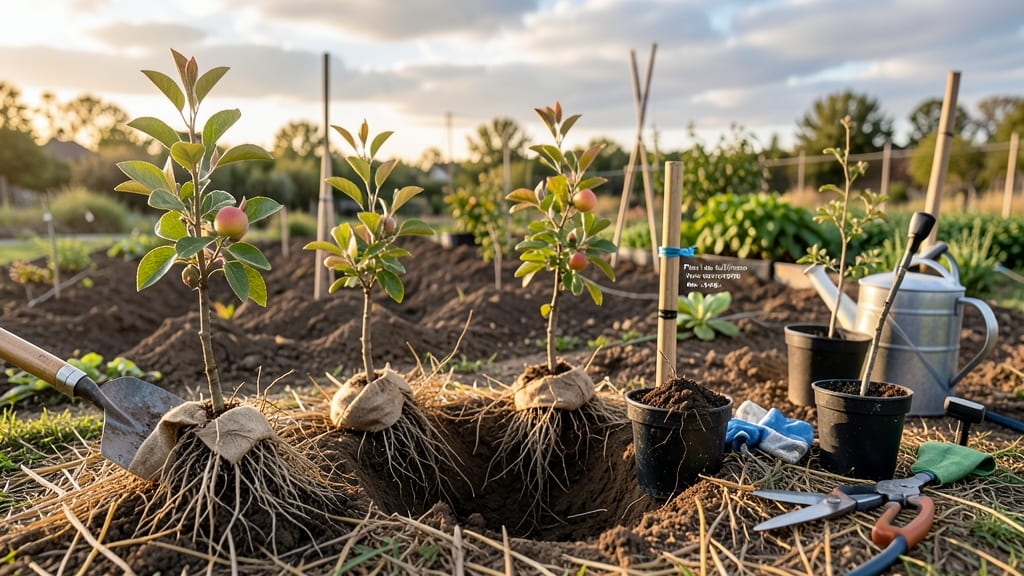
Planting fruit trees in Utah at the right time is the difference between a bountiful harvest 🍎 and a frost-wiped-out disappointment — and the window is narrower than you think.
Utah’s diverse microclimates—from high desert valleys to mountain foothills—can make or break your fruit tree planting success. Plant at the wrong time, and frost will wipe out your hard work before harvest season.
Most gardeners in USDA Zones 5-7 assume late spring is the only option, but Utah’s unpredictable frost patterns mean timing is everything. A 2-3 week shift can mean the difference between survival and failure for young trees.
In this guide, I’ll break down the exact planting windows for Utah’s five key microclimates, frost-proof strategies, and the best tree varieties for your zone—so you can finally grow fruit that thrives.
Best planting months for Utah fruit trees by microclimate zone
Utah’s microclimates create unique challenges for fruit tree growers. The Wasatch Front has later frost dates than Southern Utah, while Cache Valley sits in a frost pocket.
Getting your timing right means the difference between a thriving orchard and a frost-killed disappointment. Let’s break down the best planting windows for each zone.
For all Utah regions, late winter to early spring (February–April) is ideal. However, bare-root trees can also be planted in late fall (November) before the ground freezes. The key is avoiding frost risks while ensuring soil temperatures are above 40°F (4°C) for root establishment.
Here’s a microclimate-specific breakdown with frost risk analysis to help you choose the perfect planting window for your Utah garden:
In the Wasatch Front, aim for late March to early April when soil temperatures rise above 50°F (10°C). This zone has moderate frost risks due to late spring freezes, so avoid planting too early. Apple and cherry trees do well here if
How to avoid Utah’s most devastating fruit tree killers: frost & late spring freezes
Utah’s unpredictable frost patterns can turn your fruit tree dreams into a winter nightmare if you’re not prepared. Even mature trees can suffer catastrophic damage when late spring freezes hit—especially after buds have already swollen. The key? Proactive planning that accounts for Utah’s microclimates and frost-prone zones.
I’ve learned the hard way that planting dates and tree selection make all the difference. In USDA Zones 5-7, where Utah falls, a single 28°F night can kill blossoms and young shoots.
But with the right rootstock, mulching, and planting timing, you can outsmart frost and protect your investment.
⚠️ Critical Planting Window Warning
Utah’s last frost dates vary wildly—from March 15 in St. George to May 1 in Salt Lake City. Planting bare-root trees in late fall (October-November) gives roots time to establish before spring growth. For container-grown trees, wait until 2-3 weeks after your local last frost date—never plant before April 15 in northern Utah.
One of my biggest mistakes was planting a peach tree too early in Cache Valley. The late April freeze of 2021 killed all the blossoms, and I lost my first harvest.
Since then, I’ve switched to cold-hardy rootstocks like Lovell or Montizo, which delay bud break until after frost danger has passed. These dwarfing rootstocks also help trees recover faster from frost damage.
Another game-changer? Mulching with 6-8 inches of organic mulch (straw or wood chips) around the tree base. This creates a 5-10°F warmer microclimate near the roots, helping trees resist late frosts.
I’ve seen apple trees survive 26°F nights thanks to proper mulching—something I never expected in Utah’s dry climate.
For extra protection, I use frost cloths or row covers during critical bloom periods. Even a lightweight fabric can raise temperatures by 5-8°F. Pair this with drip irrigation running overnight—water releases heat as it freezes, creating a protective barrier around blossoms.
It’s extra work, but it’s saved my cherry trees multiple times.
Don’t forget to prune damaged branches after frost events. Cut back to healthy wood just above a bud or lateral branch. This encourages new growth and prevents disease from entering through frost cracks.
I also avoid heavy pruning in late winter—wait until after frost danger has passed to minimize stress on the tree.
With these strategies, you can outsmart Utah’s frost and enjoy healthy fruit trees year after year. The secret? Plan ahead, choose the right varieties, and protect your trees during those critical spring weeks. Your future harvests will thank you! 🌱🍎