
Plants
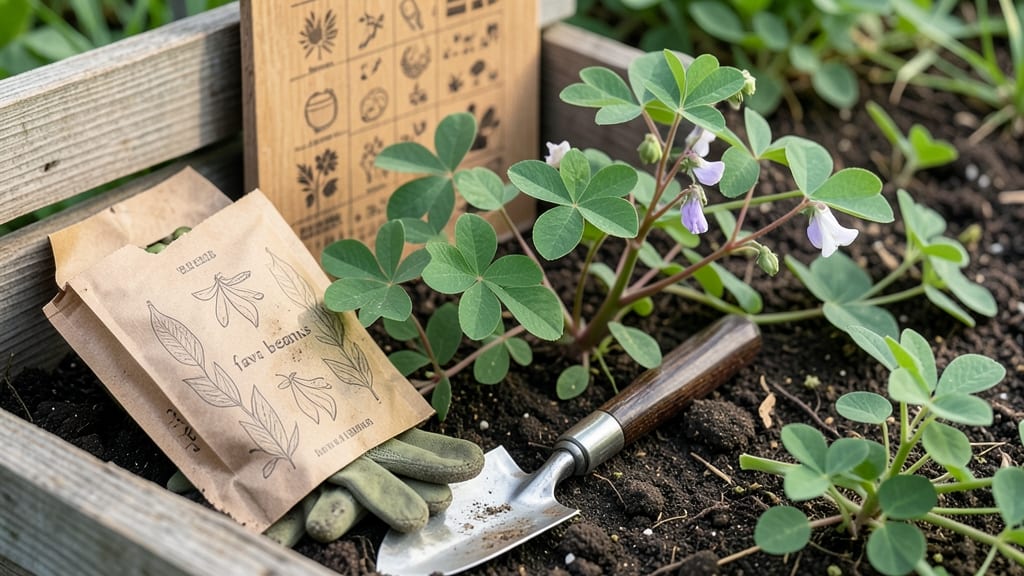
Planting fava beans in Zone 6 at the right time means the difference between a bountiful harvest and a wasted effort.
These cool-season crops 🌱 love the crisp air of early spring, but timing matters—get it wrong, and you’ll watch your seeds rot in soggy soil or bolt in the heat. In Zone 6, where last frosts linger into mid-April, the window is narrow but critical.
Most gardeners in Zone 6 swear by sowing seeds in late March or early April, once soil temperatures hit 40°F and the threat of frost has passed. But there’s a trickier option: late summer planting for a fall harvest, if you’re willing to gamble on the weather.
Below, I’ll break down the exact frost dates, soil prep tips, and how to adjust for your specific corner of Zone 6—whether you’re in the hills or the city—to guarantee those sweet, tender pods.
Best planting windows for fava beans in Zone 6 (with frost timing)
Fava beans are cool-season powerhouses that thrive when temperatures stay mild, making Zone 6’s climate perfect—but timing is everything. The average last frost date in Zone 6 is around mid-April, while the first frost typically arrives by mid-October.
This gives you two ideal planting windows: early spring and late summer, both designed to avoid frost damage while maximizing yield. Let’s break down the exact timing and what your soil needs to support these hardy legumes.
For spring planting, aim to sow seeds 4-6 weeks before your last frost, which in Zone 6 usually lands in early March to mid-April. This timing ensures seeds germinate in 50-60°F soil, the sweet spot for fava beans.
If you plant too early, cold soil can delay germination, while planting too late risks heat stress as temperatures rise. Fall planting is another smart strategy—sow seeds in late August to early September for a harvest before winter sets in.
Soil temperature is your best friend when planting fava beans. They won’t germinate well in soil colder than 40°F, so avoid planting in January or February unless you’re using row covers or cold frames. Instead, focus on March for spring or August for fall, when soil temps are consistently above 50°F. Pro tip: Use a soil thermometer to confirm—this small tool can save you from wasted seeds!
If you’re considering a late winter planting (February), proceed with caution. While fava beans can tolerate light frosts, soil temperatures below 40°F will stall germination, and hard freezes can kill young seedlings.
Use row covers or cold frames to protect seeds if you’re determined to try this window, but expect a delayed harvest until June or later. For most Zone 6 gardeners, sticking to spring or fall is the safest bet.
One of the biggest mistakes I see is planting fava beans too close to summer. By June or July, Zone 6’s heat can stress these cool-loving plants, leading to bolting (premature flowering) or poor pod development.
To avoid this, plant your last batch by early September for a fall harvest. If you miss this window, wait until next spring—don’t rush it!
For container gardening, adjust your timing slightly. Pots warm up faster than garden beds, so you can start seeds 1-2 weeks earlier in spring (late February) or 2 weeks later in fall (early September).
Just ensure your containers have drainage holes and use a lightweight potting mix to prevent waterlogging, which fava beans hate.
Don’t forget to prepare your soil before planting. Fava beans are nitrogen-fixers, meaning they enrich the soil as they grow, but they still need well-draining, slightly acidic soil (pH 6.0-7.0).
Work in 2-3 inches of compost or aged manure before planting, and avoid fresh manure, which can burn young roots. A quick soil test is worth the investment—it’ll tell you if your soil needs lime to raise pH or sulfur to lower it.
Once planted, consistent moisture is key. Fava beans need 1-2 inches of water per week, but avoid overwatering, which can lead to root rot. Water deeply in the morning to give foliage time to dry, reducing the risk of fungal diseases like rust.
Mulch around plants with straw or grass clippings to retain moisture and suppress weeds—this is especially important in Zone 6’s hot summers.
With the right timing, your fava beans will reward you with sweet, flavorful pods and the satisfaction of growing a nitrogen-rich crop that improves your soil.
Whether you choose spring or fall planting, stick to the soil temperature guidelines, and you’ll be harvesting homegrown fava beans in no time. Happy growing!
How to adjust planting for Zone 6’s microclimates and soil conditions
Zone 6’s diverse conditions can drastically affect your fava bean success. While the general rule is to plant in early spring or late summer, microclimates like urban heat islands or mountain slopes can shift optimal timing by weeks.
Understanding these variations helps you align planting with soil temperatures and moisture retention for better germination.
For example, cities like Chicago or Philadelphia experience urban heat islands that delay frost by 1-2 weeks compared to rural areas. This means you might safely plant fava beans in mid-March in the city but wait until late March in cooler suburban zones.
Always check your local last frost date and adjust accordingly.
⚠️ WARNING: Soil Conditions Can Ruin Your Harvest ⚠️
Elevation also plays a key role. Gardens at 2,000+ feet in Zone 6 (like parts of Colorado or Pennsylvania mountains) can have cooler microclimates, allowing you to plant fava beans as early as February. Monitor soil temperatures—they should reach 40°F for germination. Use a soil thermometer to avoid planting too soon in cold pockets.
Another critical factor is organic matter. Fava beans thrive in well-amended soil with nitrogen-rich compost. If your soil tests low in nitrogen (N), mix in aged manure or blood meal before planting.
Avoid fresh manure—it can burn delicate fava bean seedlings. For container gardening, use a lightweight potting mix with added perlite to prevent compaction.
Finally, consider shade from nearby structures. South-facing walls or large trees can create microclimates with delayed warming. If your planting spot gets partial shade, delay sowing by 1-2 weeks to match the warmer microclimate of full-sun areas.
Use a sun gauge to track hours of direct light—fava beans need 6+ hours daily for best yields.
By tailoring your planting schedule to these Zone 6 specifics, you’ll give your fava beans the best shot at thriving. Start with soil prep, then adjust timing based on your garden’s unique conditions—your harvest will thank you! 🌱