
Plants
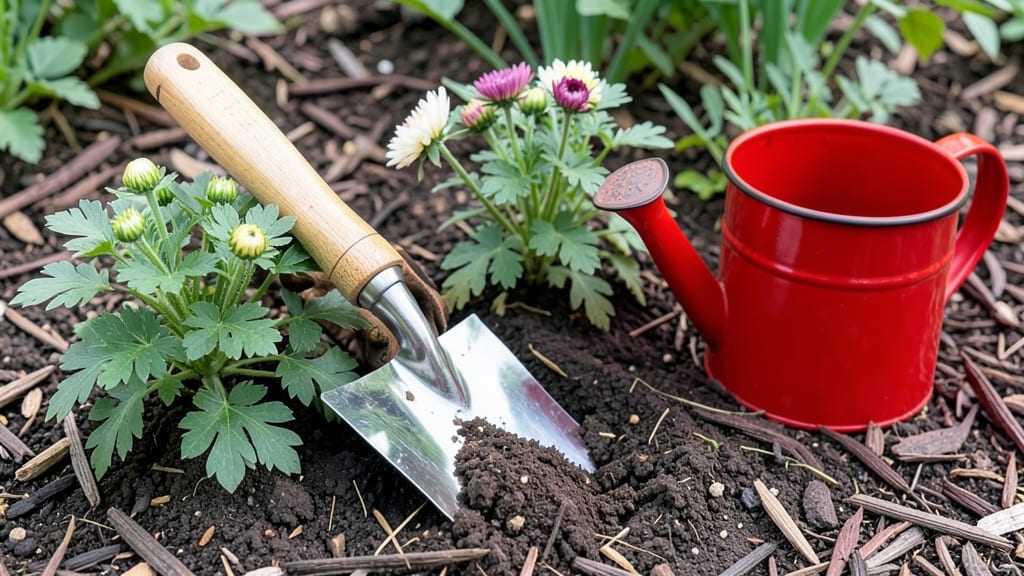
Planting mums in ground 4-6 weeks before your first frost is the secret to vibrant fall blooms that last well into winter.
Timing is everything when planting mums—get it wrong, and your vibrant fall blooms could freeze before they even take root. But with the right frost-free window for your USDA zone, you can ensure a stunning display that lasts well into winter.
For most gardeners in Zone 6a, that means getting them in the ground by early September. Too early, and your mums may bolt or struggle in hot soil; too late, and they won’t establish roots before the cold sets in.
Below, I’ll break down the exact planting windows for your zone, soil prep tips to help them thrive, and how to avoid the three biggest mistakes that kill mums before they even bloom.
Best planting times for mums by USDA zone: a month-by-month guide
Planting mums at the right time ensures they establish strong roots before winter sets in.
The key is to plant 4-6 weeks before your first frost date, allowing enough time for root growth while avoiding early planting risks like rot or stunted growth from cool soils. Soil temperatures should ideally be between 60-65°F for optimal root development.
Your USDA zone determines the exact window—northern zones have shorter seasons, while southern zones enjoy extended planting opportunities. In zones 3-5, you’ll want to plant in late August to early September, while zones 6-11 can plant as late as October or even November in mild climates.
Always check your local frost dates for precision.
Here’s a quick reference for planting mums in ground by zone, including ideal soil temperatures and frost-free windows:
| USDA Zone | Best Planting Month | Soil Temp (°F) | Frost-Free Window | Notes |
|---|---|---|---|---|
| 3-5 | Late August - Early September | 60-65°F | 4-6 weeks before first frost | Plant early; shorter growing season |
| 6-7 | Mid-August - Mid-September | 60-65°F | 4-6 weeks before frost | Flexible window; avoid late planting |
| 8-9 | Late August - October | 55-65°F | 6-8 weeks before frost | Can plant later; milder winters |
| 10-11 | September - November | 50-60°F | 8-10 weeks before frost | Longest window; plant up to December |
In zones 3-5, where winters are harsh, aim for late August to early September planting. The soil must be warm enough to encourage root growth, but not so late that roots can’t establish before frost. Use a soil thermometer to check—60°F is ideal for planting.
For zones 6-7, you have a bit more flexibility, but don’t wait too long. Planting in mid-August to mid-September gives mums enough time to root before winter.
If you plant too early, they may bolt or struggle in hot summer soils. If too late, they won’t bloom well the first year.
In zones 8-9, you can push the envelope slightly. Planting from late August to October works well, as the milder climate allows for later root establishment. Soil temperatures can drop to 55°F without causing major issues, but avoid planting when soil is still warm from summer.
Southern gardeners in zones 10-11 have the luxury of planting mums almost year-round. From September to November is ideal, but you can even plant in December in frost-free areas. Soil temps here can be as low as 50°F for successful planting, but always check local frost dates.
Pro tip: If you’re unsure about your frost dates, use the 5-1-1 rule—plant when there are 5 weeks until the 1st frost and 1 month of warm days left. This ensures your mums have time to establish roots and bloom before winter.
Always prepare your soil before planting. Mums thrive in well-draining, slightly acidic soil with a pH of 6.0-6.5. Mix in compost or aged manure to improve fertility, and avoid planting in soggy or compacted soil. Mulch after planting to retain moisture and regulate soil temperature.
Finally, choose hardy mum varieties for your zone. Dwarf varieties work well in colder zones, while standard or semi-dwarf types suit milder climates. With the right timing and care, your mums will reward you with vibrant fall color that lasts well into winter. 🌼
Signs your zone is ready for mum planting (beyond the calendar)
Relying solely on a calendar can lead to planting mums at the wrong time—especially in microclimates like urban heat islands or sheltered garden nooks. Instead, look for these practical indicators that your zone is truly ready for mum planting, regardless of the date.
Soil temperature is the most critical factor. Mums thrive when soil reaches at least 60°F (15°C). Use a simple soil thermometer to check 2-3 inches deep—if it’s cooler, wait a few more days. Cold soil slows root growth, leaving your plants vulnerable to frost damage.
- Soil temperature reaches 60°F (15°C) at 2-3" depth—test with a thermometer for accuracy.
- Local frost forecast shows no hard freeze for the next 4-6 weeks—check NOAA’s Frost/Freeze Forecast.
- Daytime highs consistently stay above 70°F (21°C)—mums need warmth to establish roots quickly.
- Nighttime lows remain above 50°F (10°C)—protects young transplants from chilly nights.
- Your area’s last frost date is at least 6 weeks away—verify with local garden centers.
Urban gardeners often face heat islands that can trick you into planting too early. If your soil warms up faster than surrounding areas, wait until your neighbors’ gardens show signs of readiness—like early-blooming black-eyed Susans or coneflowers pushing through.
Pay attention to your local frost forecasts, not just historical averages. A sudden cold snap can derail your mum’s growth. Sign up for NOAA alerts or use apps like PlantNet to track real-time conditions in your specific neighborhood.
Adjust for elevated beds or containers, which warm up faster than in-ground soil. In these cases, plant slightly later than your zone’s average date to avoid stressing young roots in overheated conditions.
Finally, observe your existing perennials. If daylilies or hostas are already showing new growth, your mums are ready too. These plants follow the same seasonal cues, making them reliable indicators for your microclimate’s readiness.