
Plants
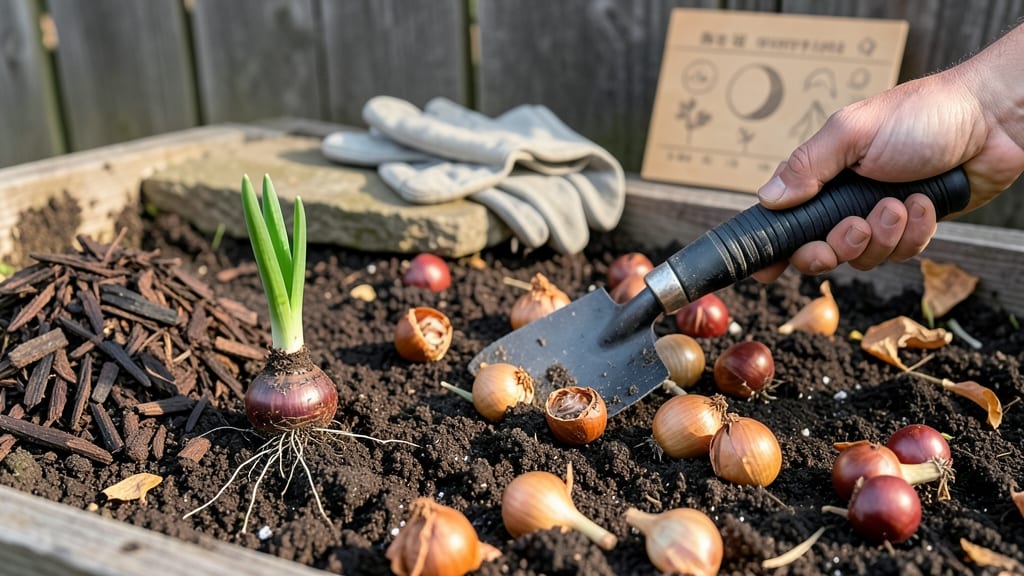
To plant bulbs in Zone 6a, aim for fall (September–November) or early spring (March–April) when soil temps dip below 60°F—the key to avoiding frost damage while giving roots time to establish.
Zone 6A gardeners know timing is everything—plant bulbs too early, and frost will ruin them; too late, and they won’t bloom in time. Mastering the exact window for planting ensures vibrant spring flowers and summer harvests without the guesswork.
Fall planting is ideal for spring-blooming bulbs like tulips and daffodils, while early spring suits summer-flowering types such as dahlias. Soil temperature and frost dates dictate the difference between a thriving garden and a wasted investment.
Below, I break down the month-by-month schedule, soil prep tips, and bulb-specific adjustments to guarantee your 🌱 bulbs bloom on time—no matter how unpredictable Zone 6a’s weather gets.
Zone 6A bulb planting calendar: month-by-month breakdown by bulb type
In Zone 6A, where last frost dates hover around April 15–May 1, timing your bulb planting correctly means the difference between a showstopping spring garden and a sad, frost-nipped failure.
Most gardeners focus on fall-planted bulbs like tulips and daffodils, but summer-flowering varieties like dahlias and cannas also need precision. Soil temperature thresholds—50°F (10°C) or warmer—are your best guide, not just the calendar.
Zone 6A’s short growing season demands strategic planning. Plant too early, and frost damage will kill emerging shoots. Too late, and bulbs won’t establish roots before winter. The key is aligning planting windows with soil warmth, moisture levels, and local microclimates.
For example, crocus and hyacinths thrive when planted in late September, while tulips and daffodils can wait until October—but only if the ground hasn’t frozen yet.
For spring-flowering bulbs, aim to plant 6–8 weeks before the ground freezes, typically late September through October in Zone 6A. Tulips and daffodils are the stars here, but hyacinths and alliums add unique textures and colors.
The trick is to get them in the ground while soil temps are still 50–55°F (10–13°C). If your soil stays warm longer, like in urban heat islands, wait until early October.
Don’t overlook summer-flowering bulbs like dahlias and cannas, which need a warm soil kickstart. These tender perennials should wait until after your last frost date—usually mid-April to early May—when soil temps hit 60°F (16°C).
Planting too early risks rot from cold, soggy soil. In my garden, I mark the spot with flagging tape to remember where I tucked them in.
For early bloomers such as crocus and snowdrops, act fast in late August to September. These hardy heroes push through snow for February–April blooms, but they need to establish roots before winter.
A 3–4 inch depth is ideal—shallower than deeper bulbs. I’ve found that mulching with straw after planting helps insulate them from freeze-thaw cycles.
Adjust your schedule if your Zone 6A microclimate runs cooler or warmer. For example, high-elevation gardens may need to plant 2 weeks earlier, while
How to adjust planting for early/frost-prone Zone 6A years (pro tips)
Zone 6A’s unpredictable frost patterns can turn your bulb planting into a high-stakes game. Late frosts in spring or early freezes in fall often catch gardeners off guard. The key is flexibility—adjusting your planting schedule based on soil temperature, historical frost dates, and even bulb hardiness.
I’ve learned the hard way that rigid timelines fail in Zone 6A, but these pro tips will help you hedge your bets.
Start by checking your local frost dates—they’re not always April 15th. Use the National Weather Service or a microclimate tool to find your area’s average last frost date. In my experience, planting 6-8 weeks before that date gives bulbs enough time to root before winter.
For example, if frost typically hits November 1st, aim for September 15th to be safe.
⚠️ callout warning
Even if soil feels warm, late October can bring surprise freezes. Test soil temperature with a soil thermometer—wait until it drops to 50°F (10°C) for 7+ days before planting spring bulbs like tulips. For fall-planted bulbs (daffodils, crocus), cover them with 4-6 inches of mulch after hard frost hits.
Pro Tip: Plant deeper (3x bulb height) in frost-prone spots—extra insulation protects roots.
Cold stratification is a game-changer for tender bulbs like dahlias or cannas. These need a cooling period to break dormancy. I store them in a garage or fridge at 35–45°F (2–7°C) for 8–12 weeks before planting in late April.
This mimics winter conditions and ensures stronger growth. Skip this step for hardy bulbs like alliums—they’ll handle Zone 6A’s swings without fuss.
Mulching isn’t just for winter—it’s a year-round shield. After planting, add 2–3 inches of straw or shredded leaves to insulate bulbs. In spring, remove mulch once soil warms (above 50°F) to prevent rot.
For early bloomers like snowdrops, I use gravel mulch—it drains well and reflects heat to speed up growth. Just avoid piling it against bulb stems to prevent moisture buildup.
Adjust planting depth based on your soil type. Sandy soil? Plant bulbs shallower (2x height)—they dry out fast. Clay soil? Go deeper (3x height) to protect from heaving. I test depth with a trowel—the top of the bulb should sit 2–4 inches below soil.
For large bulbs (like lilies), dig a trench to save your back and ensure even coverage.
Finally, group bulbs by type to create microclimates. Early bloomers (crocus, snowdrops) thrive in shadier spots where late frost lingers. Late bloomers (tulips, daffodils) get sunnier beds to extend their season.
I also plant perennials nearby (like hostas) to act as living mulch—once established, they shield bulbs from temperature swings. With these tweaks, you’ll beat Zone 6A’s frost curve every time.