
Companion Plants
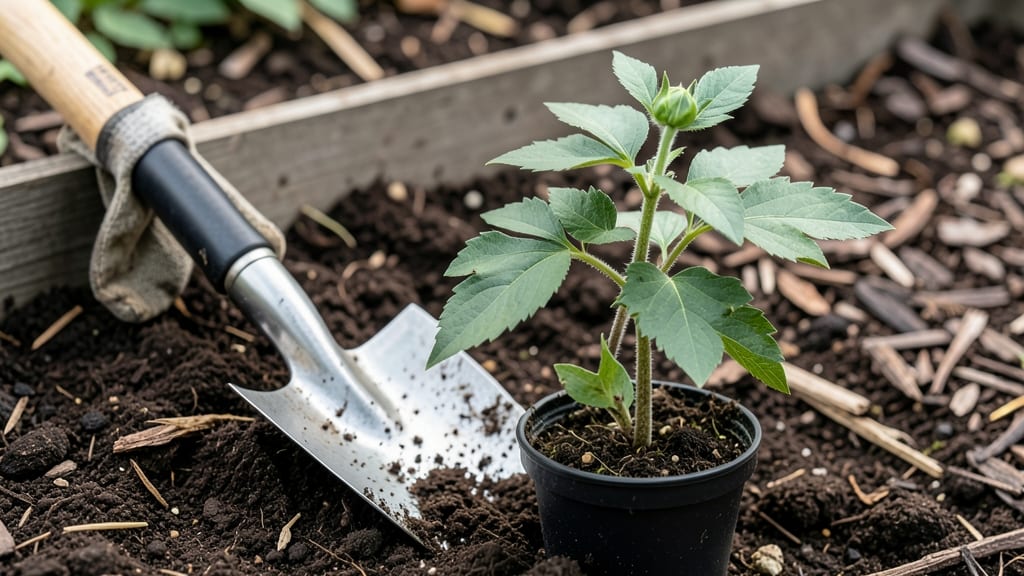
Plant dahlias in Zone 6b about 2-3 weeks after your last frost date — typically mid-to-late May — when soil temperatures hit a steady 60°F.
Dahlias in Zone 6b thrive when planted at the perfect time—too early and frost zaps their roots, too late and you miss peak blooms. Mastering these exact weeks before last frost ensures dramatic, long-lasting flowers that rival professional gardens.
This isn’t just about dates—it’s about soil warmth, tuber readiness, and avoiding those late spring cold snaps that can stall growth. I’ll walk you through the critical signs your soil is ready, how to prep tubers for transplanting, and why mulching makes all the difference in Zone 6b’s unpredictable spring.
By the end, you’ll know exactly when to plant your 🌸 tubers for stronger stems, more blooms, and fewer headaches. Let’s get those dahlias in the ground the right way!
Zone 6b dahlias planting timeline: exact weeks before last frost for success
Timing is everything when planting dahlias in Zone 6b. The difference between 50°F and 60°F soil can mean the difference between root rot and vigorous growth.
In Zone 6b, where last frost typically arrives between April 15 and May 15, you’ll want to plant 2-3 weeks after that date—when soil temperatures consistently stay above 50°F.
This buffer ensures your dahlia tubers avoid early-season cold snaps that can stunt growth. For example, in the Midwest, gardeners often plant around mid-to-late May, while Appalachian growers may wait until early June due to cooler mountain air. Always check your local last frost average for precision.
Here’s the science: Dahlias need warm soil (50-60°F) to sprout. If you plant too early, tubers may rot or refuse to grow. If you wait too long, you’ll miss the peak blooming window of July-October.
The key is balancing soil warmth with frost risk—and that’s where this timeline comes in.
🌱
Your Zone 6b last frost date is the starting point, but soil temperature is the real game-changer. Use a soil thermometer to confirm 50°F+ at 6" depth.
If your area has late frosts (like the Appalachians), wait until early June—patience pays off with healthier plants and more blooms.
Pro tip: If you’re in a cooler microclimate (e.g., near a lake or high elevation), extend your buffer to 3-4 weeks after last frost. Dahlias are frost-sensitive, so protect young shoots with row covers if night temps dip below 40°F after planting.
Once your dahlias are in the ground, focus on consistent moisture and full sun (6-8 hours daily). The first 4-6 weeks are critical—this is when roots establish. Skip the heavy fertilizer early; instead, use a balanced 5-10-10 mix 4-6 weeks after planting to avoid burning tender roots.
🌿
Don’t let Zone 6b’s variable climate stress you out. By following this 2-3 week buffer after last frost and monitoring soil temps, you’ll give your dahlias the perfect start. The reward? Stunning blooms from July through October—and the envy of every neighbor on your block.
🌸
5 Critical signs your Zone 6b soil is ready for dahlias (before you dig)
Don't rush to plant your dahlia tubers—Zone 6b's fickle spring weather demands patience. Cold soil and lingering frost can smother tender roots before they establish. I've learned the hard way that waiting for these 5 key soil signals ensures your dahlias burst into bloom instead of wilting within weeks.
First, check soil temperature with a simple thermometer probe—dahlias need 60°F+ soil to thrive. In my garden, this typically happens by mid-May, but I've seen it vary by 1-2 weeks depending on microclimates.
Combine this with a moisture test to avoid planting in dry, compacted soil that stunts root growth.
- Soil Temp Check: Use a soil thermometer—ideal range is 60-65°F at 6" depth. Zone 6b typically hits this by mid-May, but verify locally.
- Finger Test: Push your finger 4-6 inches deep. Soil should feel warm (not cold) and slightly damp—like a wrung-out sponge. Cold soil = delayed growth.
- Compost Maturity: Mix in 2-3 inches of compost 1-2 weeks before planting. Look for dark, crumbly texture with no sour smell—this signals decomposed organic matter.
- Slug/Grub Patrol: Set out beer traps or check for shiny beetle larvae (grubs). Both devour dahlia tubers—act now with diatomaceous earth if you spot them.
- Last Frost Buffer: Plant 2-3 weeks after your average last frost date. In Zone 6b, this means late May in most areas, but verify your microclimate (e.g., valleys frost later).
I always perform the finger test after warming soil—press your finger 4-6 inches deep. If it feels cold or crumbly, your dahlias will struggle. Instead, wait until the soil holds moisture like a wrung-out sponge but doesn't feel soggy. This balance prevents both root rot and wilting.
Don't overlook compost maturity. Fresh manure or undecomposed greens can burn tender dahlia roots. I mix in well-aged compost 1-2 weeks before planting—look for dark, crumbly texture with no sour smell. This boosts nutrient availability without shocking the tubers.
Finally, scout for pests like slugs and grubs before planting. Set out beer traps or check for shiny beetle larvae in the soil. These critters can annihilate tubers overnight. If you spot them, treat with diatomaceous earth or copper tape around your beds.
Once you've confirmed all five signs, your dahlias are ready to thrive. Plant tubers 4-6 inches deep, spacing them 12-18 inches apart, and mulch heavily to retain warmth and moisture—this is how I've achieved foot-tall blooms by July in Zone 6b. 🌸