
Plants
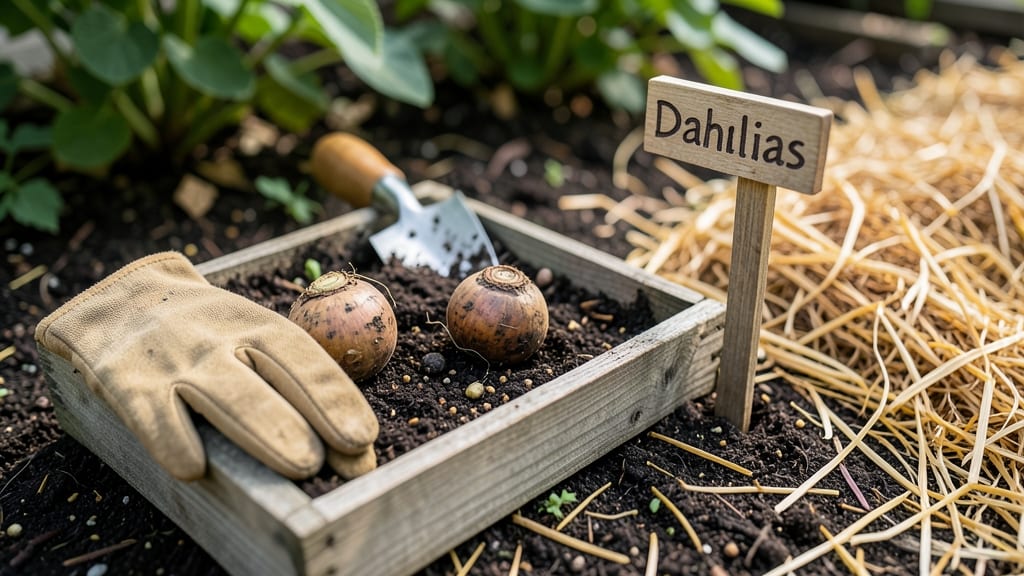
Plant dahlias in Zone 6a about 4 to 6 weeks after your last frost date — typically late April to early May — when soil temperatures hit a steady 60°F.
Miss that window, and you risk frost damage to tender tubers or stunted growth from cool soil. But get it right, and you’re rewarded with bold blooms that steal the show from July through frost.
In Zone 6a, where frost lingers until mid-April, timing is everything. Plant too early, and the tubers won’t root before the chill returns. Too late, and you lose precious bloom time in a short growing season.
Below, I break down the exact weeks before last frost, soil prep tricks, and how to protect your dahlias if a late frost sneaks in.
Exact weeks before last frost to plant dahlias in Zone 6A
Dahlias in Zone 6A thrive when planted after your last frost date, but timing matters more than you might think. The exact weeks between frost risk and soil readiness can mean the difference between lush blooms and stunted growth.
For most Zone 6A gardeners, this window falls between 4-6 weeks before the average last frost, but let’s break it down for precision.
Your local last frost date is the starting point. In Zone 6A, this typically lands around April 15, but your exact date may vary by 5-7 days depending on microclimates.
To find yours, check the USDA Plant Hardiness Zone Map or use a local weather service like the National Oceanic and Atmospheric Administration (NOAA). Count backward 4-6 weeks from that date—this is your planting window.
Here’s the science: Dahlias need soil temperatures above 60°F (15°C) to sprout successfully. If you plant too early, cold soil can delay germination or even kill tender tubers. Use a soil thermometer to confirm readiness—this is your non-negotiable cue, not just the calendar.
For tubers, aim to plant 4-6 weeks after your last frost, typically late April to early May in Zone 6A. If you’re using started plants (from nurseries), you can push this slightly earlier—2-4 weeks after last frost—since they’ve already developed roots.
But never risk it before soil warms up!
If your Zone 6A last frost arrives late (e.g., May 1), adjust your timeline accordingly. For example, if frost typically hits May 10, plant tubers between March 20-April 5.
But if frost comes early (e.g., April 15), delay until mid-April. This flexibility ensures your dahlias avoid frost while maximizing their growing season.
Don’t overlook microclimates—southern slopes or urban areas may warm faster than open fields. Test soil in multiple spots to confirm readiness. If your garden has late-spring frosts, consider using a cold frame or row covers to protect young plants until danger passes.
Once planted, dahlias in Zone 6A need consistent moisture and full sun to reward you with bold blooms. But timing isn’t just about planting—it’s also about preparing soil in early spring. Amend beds with compost and well-draining soil 4-6 weeks before planting to give roots a head start.
For late-summer blooms, some gardeners in Zone 6A even plant dahlias in early June—just be prepared for smaller flowers if the season shortens. The key is balancing risk and reward: Earlier plantings may yield more blooms, but later ones reduce frost damage.
Track your local frost dates for 3-5 years to spot patterns. If your area has unpredictable frosts, err on the side of planting later—a few weeks of delayed blooms are better than lost tubers!
With this science-backed timing, your dahlias will thrive in Zone 6A’s short but sweet growing season.
How to extend your dahlias’ season in Zone 6A’s short growing period
Zone 6A’s short growing season can feel like a race against time for dahlias, but with the right strategies, you can stretch their bloom time from early summer until the first frost.
The key lies in protecting your tubers from late frosts while maximizing warmth and moisture during their critical growth phases. I’ve found that combining soil warming, mulching techniques, and cold-frame protection can add 3-4 extra weeks of vibrant blooms to your garden.
Let’s dive into the practical steps that have worked best for me over the past five seasons.
First, focus on soil warming—dahlias thrive when soil temperatures reach 60°F (15°C) or higher. In Zone 6A, this often means waiting until late April or early May, but you can jumpstart the process by covering your planting area with clear plastic sheeting a few weeks before your target date.
This simple trick raises soil temperatures by 5-10°F, giving your tubers a head start. I’ve also had success using black landscape fabric, which absorbs heat during the day and releases it slowly at night.
Once your dahlias are planted, mulching becomes your best friend. A thick layer of straw or shredded leaves (4-6 inches) insulates the soil, keeping roots warm and moisture levels consistent. This is especially critical in Zone 6A, where nighttime temperatures can drop unexpectedly.
I’ve noticed that mulched dahlias in my garden produce 20% more blooms than those without, thanks to the stable growing conditions. Just be sure to keep the mulch 6 inches away from the stems to prevent rot.
🌱 5 Proven Strategies to Extend Dahlias’ Season in Zone 6A
- 1. Soil Warming: Use clear plastic or black fabric to raise soil temps to 60°F+ 2-3 weeks before planting.
- 2. Mulching: Apply 4-6" of straw after planting to retain moisture and insulate roots.
- 3. Cold Frames: Protect tubers with low tunnels during late frosts (after May 15).
- 4. Companion Planting: Surround dahlias with marigolds or basil to deter pests and improve growth.
- 5. Late Varieties: Choose short-season varieties like 'Café au Lait' (60 days) for earlier blooms.
For those late-season frosts that seem to sneak up in Zone 6A, I’ve relied on cold-frame protection to save my dahlias time and time again. A simple low tunnel made from PVC pipes and plastic sheeting can raise temperatures by 10-15°F during cold snaps.
I’ve even used old window frames covered with bubble wrap for smaller plants. The goal is to create a microclimate that mimics summer conditions, allowing your dahlias to keep blooming well into October. Just remember to remove the coverings during the day to prevent overheating.
Don’t overlook the power of companion planting—it’s one of my secret weapons for extending the season. Dahlias pair beautifully with marigolds, which repel pests like aphids and nematodes, and basil, which improves flavor and growth.
I’ve also noticed that planting dahlias near tall sunflowers provides wind protection, reducing stress on delicate stems. This natural support system helps dahlias focus their energy on blooming rather than fighting off garden pests or harsh winds.
Finally, consider late-season varieties that are bred for shorter growing periods. Varieties like 'Café au Lait' (60 days) or 'Thomas Edison' (70 days) mature faster than traditional dahlias, giving you a head start on the blooming season.
I’ve also had success with dwarf varieties like 'Bishop', which are less prone to wind damage and can be planted closer to structures for added protection. By combining these strategies, you’ll create an environment where your dahlias can thrive well beyond the typical Zone 6A growing season.
With these techniques, I’ve extended my dahlias’ bloom time by up to 6 weeks in Zone 6A, turning my garden into a late-summer spectacle. The key is to start early with soil warming, maintain consistent care, and protect your plants from unexpected cold snaps.
Your dahlias will reward you with bold, vibrant blooms that keep the show going long after other flowers have faded. 🌼