
Plants
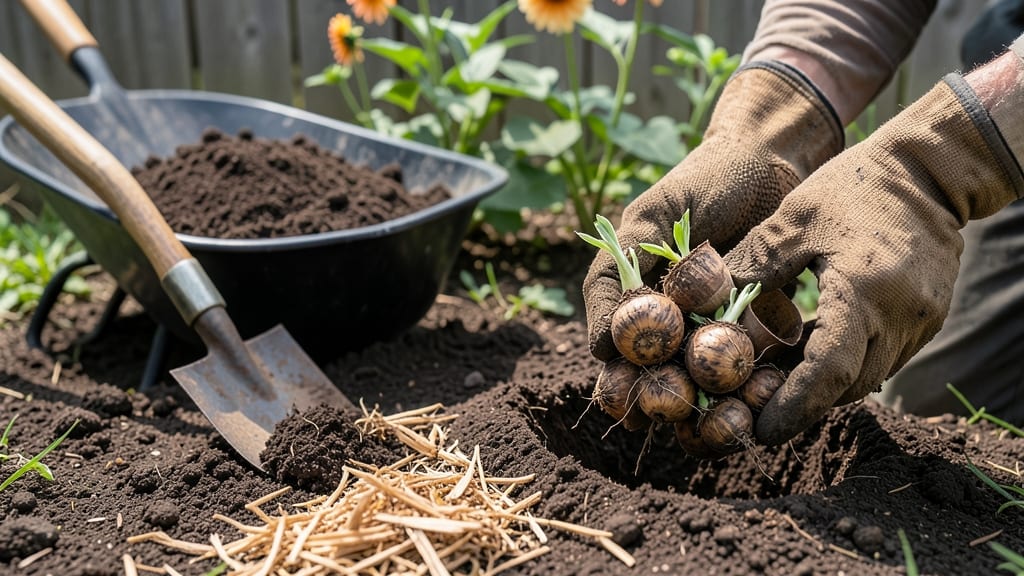
Plant dahlias in Alabama about 4-6 weeks after your last frost date, when soil temperatures hit a steady 60°F — that’s the sweet spot for tubers to wake up without risking frost damage.
Dahlias are Alabama gardeners' secret weapon for summer-long color—but planting them too early or late can mean wilted dreams instead of vibrant blooms. Timing is everything, and these exact weeks before last frost will determine whether your dahlias thrive or struggle.
Alabama’s climate varies wildly from the 7b-8a zones of the north to the warmer southern regions, so your exact window depends on where you live. Northern Alabama gardeners should aim for early April, while southern areas can start as early as late March.
Below, I’ll break down the exact frost-free dates by region, how to prep your tubers for planting, and the critical care steps to keep your dahlias blooming all summer long—no guesswork, just bold 🌸 results.
Alabama’s last frost dates and ideal dahlia planting weeks
Alabama’s frost-free dates vary dramatically from the cool mountain regions of the north to the humid coastal plains of the south. For dahlia tubers, which thrive in warm soil, timing is critical—plant too early, and frost will kill your tender sprouts; too late, and you’ll miss peak bloom season.
The USDA zones 7b-8a covering Alabama mean your last frost typically arrives between mid-March and early April, but microclimates can shift this window by weeks.
Northern Alabama (think Huntsville or Decatur) usually sees its last frost around March 15-25, while southern cities like Mobile or Dothan can be frost-free by March 1-10.
Urban areas like Birmingham often experience earlier warming due to the "heat island" effect, while rural spots may linger 1-2 weeks longer. To maximize your dahlias’ summer-long blooms, aim to plant tubers 4-6 weeks after your last frost date—when soil temperatures consistently reach 60°F (15°C).
Here’s the golden window for Alabama gardeners: late March to early April for most regions, with early April being ideal for northern areas. If you’re in zone 7b (north), hold off until April 1-10 to avoid surprise frosts.
For zone 8a (south), you can start as early as late February in sheltered microclimates, but wait until mid-March for standard planting.
| Region | Last Frost Date | Ideal Planting Window | Soil Temp Requirement | Microclimate Adjustment |
|---|---|---|---|---|
| Northern AL (Huntsville, Decatur) | March 15-25 | April 1-15 | 60°F+ (15°C) | Wait 6 weeks for safety |
| Central AL (Birmingham, Montgomery) | March 1-15 | March 25-April 5 | 60°F+ (15°C) | Urban areas: plant 1 week early |
| Southern AL (Mobile, Dothan) | February 28-March 10 | March 15-30 | 60°F+ (15°C) | Coastal: plant 2 weeks early |
| All Regions (Microclimates) | Varies | Adjust ±1 week | 60°F+ (15°C) | Sheltered spots: plant 1 week early |
Microclimates play a huge role in Alabama’s dahlia success. Urban gardens with pavement and buildings often warm up faster, allowing you to plant 1 week earlier than rural areas. Conversely, low-lying spots or shaded areas may need a delayed planting schedule to avoid cold snaps.
If you’re unsure, use frost-protective cloches or row covers for the first 2 weeks after planting to shield young tubers.
For pre-sprouting tubers indoors, start them 6-8 weeks before your target planting date. This means late January to early February for most Alabama gardeners. Place tubers in paper bags with slightly damp peat moss and keep them in a warm (70°F/21°C), bright location until sprouts emerge.
Once sprouted, harden them off for 3-5 days before transplanting outdoors to prevent shock.
Alabama’s clay-heavy soils can delay soil warming, so amend your beds with compost or aged manure to improve drainage and heat retention. If your soil stays cool past April 15, consider black plastic mulch to raise temperatures by 5-10°F.
This is especially helpful in northern Alabama, where frosts can linger into early April.
Don’t forget that dahlias are hungry feeders—they need fertile soil to support their bold blooms. Work in a balanced fertilizer (5-10-10) at planting time, then side-dress with compost tea every 4-6 weeks during the growing season.
In southern Alabama, where summers are long and hot, mulch heavily with straw or wood chips to retain moisture and cool roots.
If you’re in a transition zone (like
Step-by-step guide: when and how to plant dahlias in Alabama’s climate
Alabama’s clay-heavy soil and variable spring temperatures make dahlias a rewarding but tricky choice. The key to success lies in planting tubers when soil temperatures hit 60°F (15°C)—typically 4-6 weeks after your last frost date.
In most of Alabama, this means mid-to-late April, but northern regions like Huntsville may wait until early May. Southern areas like Mobile can plant as early as late March if frost risk is minimal.
Before you dig, pre-sprouting tubers indoors gives you a head start. Start this process 6-8 weeks before your target planting date—so if you’re planting in April, begin indoors in February.
Place tubers in a tray with moist potting mix, keeping them in bright, indirect light until sprouts emerge. This method ensures your dahlias hit the ground running when Alabama’s heat arrives.
Alabama’s clay soil drains poorly, so amend with 2-3 inches of compost or aged manure. Mix in perlite or sand to improve aeration. Aim for a pH of 6.5-7.0—test your soil with a kit if unsure.
Dahlias need full sun (6+ hours daily). In Alabama’s heat, afternoon shade helps prevent wilting. Avoid low-lying areas where cold air pools—late frosts can still strike in April.
Dig holes 4-6 inches deep, spacing tubers 12-18 inches apart (larger varieties need more space). Place tubers with the eyes facing up—never bury the crown deeper than 2 inches.
Apply 3-4 inches of mulch (straw or pine needles) to retain moisture and regulate soil temperature. Alabama’s sudden heat spikes can shock young plants—mulch acts as insulation.
Give newly planted tubers a deep watering (1-2 gallons per plant). Keep soil consistently moist but not soggy—Alabama’s humidity can lead to root rot if drainage is poor.
If frost warnings appear after planting, cover tubers with row fabric or black plastic. Remove covers when temperatures rise to 50°F (10°C) to avoid overheating.
Once your dahlias are in the ground, stake or cage them early—Alabama’s summer storms can snap tall varieties. Use bamboo stakes or tomato cages for support, and tie stems loosely to avoid damaging the plant.
Fertilize lightly with a balanced 10-10-10 formula 2-3 weeks after planting, then every 4-6 weeks during the growing season to encourage blooms.
Alabama’s humid summers can stress dahlias, so monitor for powdery mildew or aphids. Spray plants with neem oil or insecticidal soap at the first sign of pests. Deadhead spent blooms regularly to prolong flowering—this is especially important in Alabama’s short growing season, where every extra bloom counts.
With these steps, your dahlias will burst into color by early summer, turning your Alabama garden into a vibrant oasis. The secret? Timing, soil prep, and patience—three things that pay off with months of stunning blooms. 🌸