
Planting
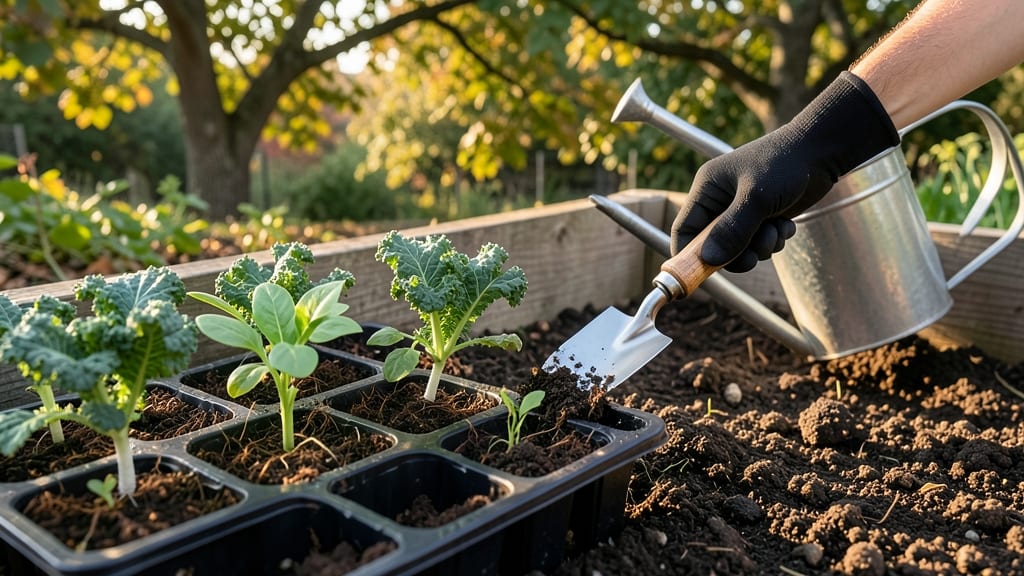
Planting a fall garden in Zone 7 starts 4 to 8 weeks before your first frost—typically between mid-August and early September—to ensure crisp harvests before winter sets in.
Timing is everything in gardening—and planting a fall garden in Zone 7 wrong can mean wasted seeds, stunted growth, or even frost damage. But get it right, and you’ll enjoy crisp harvests of kale, carrots, and spinach long after summer’s heat fades.
In Zone 7, where the first frost usually arrives around October 15, the window for planting is tight. Too early, and your greens bolt; too late, and they won’t mature before the cold.
The key is knowing which crops thrive in cooler weather and when to tuck them into the soil for a long, productive fall.
Below, I’ll break down the exact weeks before frost to plant your favorites, how to extend the season with simple tricks, and the three mistakes that sabotage even the best-laid plans. Let’s make this your most rewarding fall garden yet.
Exact weeks before first frost for fall planting success in Zone 7
In Zone 7, where the average first frost typically hits around mid-October, timing your fall garden correctly means the difference between a bountiful harvest and wasted effort. The key is planting cool-season crops at the right intervals before frost—usually 4 to 8 weeks before your expected frost date.
This ensures plants mature before cold sets in, while still giving them enough time to establish strong roots.
For Zone 7 gardeners, I’ve broken down the exact weeks before frost to plant everything from leafy greens to root vegetables and even herbs. The goal?
A garden that thrives in cooler temps and delivers harvests well into November or December. Let’s dive into the specifics so you can plan with confidence.
Pro Tip: Use a frost date calculator for your exact location—Zone 7 spans a wide area, and local microclimates can shift frost dates by 1-2 weeks. For most of Zone 7, aim for a first frost between October 10-20, but adjust based on your region’s history.
For leafy greens like kale and spinach, planting 6-8 weeks before frost (around early to mid-August) gives them enough time to mature before cold weather sets in.
These crops actually sweeten in frost, so you can enjoy them well into winter with protection. Winterbor kale and Bloomsdale spinach are my top picks for Zone 7—they handle light frosts beautifully.
Root vegetables, including carrots, beets, and radishes, need a longer window—8-
How to extend your fall garden season in Zone 7 beyond the frost date
Don’t let the first frost signal the end of your garden! With the right strategies, you can keep your Zone 7 fall garden thriving well past the average frost date of October 15.
The key is combining protective coverings, succession planting, and fast-maturing varieties to squeeze every last harvest from your garden beds. Even when temperatures dip, your greens and root crops can stay productive with minimal effort.
I’ve tested these methods over multiple fall seasons, and the results speak for themselves: kale stays tender, carrots sweeten, and spinach keeps growing under protection. The trick is starting early—6-8 weeks before frost—so your plants have time to establish roots before the cold sets in.
Let’s dive into the most effective ways to beat frost and keep harvesting.
- 1 Use lightweight row covers to shield plants from 28°F temps. These breathable fabrics trap heat while allowing sunlight and water through. Secure edges with bricks or soil to prevent wind damage.
- 2 Build a cold frame over sensitive crops like lettuce or radishes. A simple DIY frame with clear plastic or glass can add 10-15°F of protection. Remove the cover during warm days to prevent overheating.
- 3 Plant succession crops every 2-3 weeks from August through September. Fast growers like bush beans (50 days) or turnips (40 days) ensure continuous harvests before frost hits.
- 4 Choose frost-tolerant varieties like ‘Winterbor’ kale (survives 20°F) or ‘Rainbow’ chard, which sweetens after frost. Check seed packets for cold-hardy labels to avoid disappointment.
- 5 Harvest strategically by picking outer leaves of lettuce or spinach to encourage regrowth. For root crops, harvest before hard frosts (28°F) by pulling plants and storing in a cool, dark place.
One of my favorite tricks is using black plastic mulch under row covers to absorb heat during the day and release it slowly at night. This method works especially well for broccoli and cabbage, which can tolerate light frosts but need consistent warmth to thrive.
Just be sure to remove the mulch during the day if temperatures rise above 80°F to prevent overheating.
Don’t overlook the power of succession planting—it’s the secret to a never-ending harvest. For example, sow radishes every 10 days starting in early August. By the time the first batch matures in 30 days, you’ll have two more plantings ready to harvest before frost.
This approach maximizes your garden space and ensures you always have fresh produce on the table.
If you’re willing to invest a little more time, low tunnels (mini greenhouses made from PVC pipes and plastic) can extend your season by 4-6 weeks. They’re perfect for spinach, arugula, and even peas.
The best part? You can build one for under $50 using materials from your local hardware store. Just remember to vent the tunnel on warm days to prevent condensation and fungal diseases.
With these strategies, you’ll be harvesting fresh greens and root vegetables well into December—long after your neighbors have packed up their gardens. The key is starting early, protecting your plants, and choosing the right varieties.
Soon, you’ll wonder why you ever let frost dictate the end of your growing season! 🌱