
Companion Plants
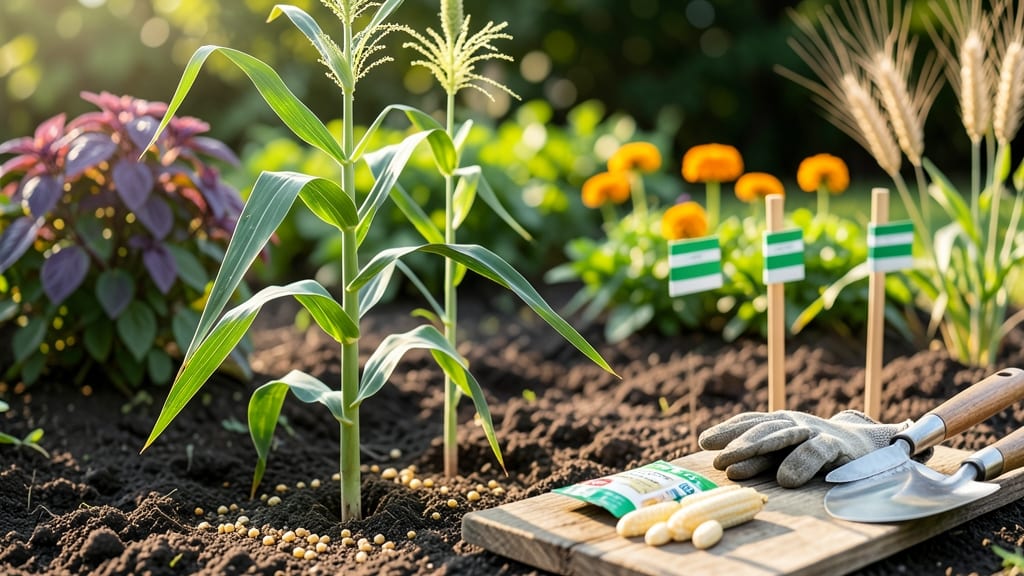
Planting sweet corn 🌽 in Pennsylvania at the right time means the difference between a bountiful harvest and a wasted season.
Picture this: you’ve prepped the soil, chosen the perfect variety, and even marked your rows—only to watch your plants bolt in the heat or rot in the cold.
That’s why timing is everything, and knowing the exact weeks before your last frost is the secret to juicy, plump ears every year.
Pennsylvania’s climate varies from the warmer Southeast to the cooler Northwest, and each region has its own ideal window—typically mid-April to early June—when soil temperatures hit that sweet spot of 60°F and the frost threat is finally gone.
Below, I’ll break down the precise planting schedule for your zone, how to adjust for microclimates, and the one mistake that ruins more corn crops in PA than anything else.
Pennsylvania’s sweet corn planting calendar: exact weeks before last frost by region
Pennsylvania’s diverse climate means your sweet corn planting schedule should vary by region. The Southeast enjoys earlier springs, while the Northwest faces later frosts. To maximize yields, plant when soil reaches 60°F and 2–3 weeks after your average last frost date.
This ensures strong germination and avoids frost damage to tender seedlings.
Sweet corn thrives in USDA Zones 5b–7a, but microclimates—like urban heat islands or mountain valleys—can shift your planting window by 1–2 weeks. Always check local frost records, as Pittsburgh’s last frost often hits 2 weeks later than Philadelphia’s.
For peak harvests, aim to plant 60–70-day varieties first, followed by 80–85-day varieties for a staggered yield.
| Region | Avg. Last Frost Date | Planting Window (Weeks Before Frost) | Soil Temp. Requirement | Ideal Transplant Time |
|---|---|---|---|---|
| Southeast (e.g., Philadelphia, Allentown) | March 20 – April 5 | 2–3 weeks before last frost (late March–early April) | 60°F+ (consistently) | April 15–May 1 (transplant seedlings) |
| Central (e.g., Harrisburg, Lancaster) | April 1–April 15 | 2 weeks before last frost (late March–early April) | 60°F+ (consistently) | April 10–April 25 (transplant seedlings) |
| Northwest (e.g., Erie, State College) | April 15–May 1 | 1–2 weeks before last frost (late April) | 60°F+ (consistently) | May 1–May 15 (transplant seedlings) |
In the Southeast, you can start direct-sowing seeds as early as late March under row covers or in a greenhouse. This gives you a 2-week head start on Central and Northwest growers. Use black plastic mulch to warm soil faster and extend your season by 10–14 days.
For direct sowing, drop seeds 1 inch deep and 4–6 inches apart in blocks, not rows, to improve pollination.
Central Pennsylvania’s moderate climate makes it ideal for succession planting. After your first planting (around April 10), follow up with 2-week intervals until May 15 to ensure a continuous harvest.
Choose early-maturing varieties like ‘Silver Queen’ (65 days) for the first round and ‘Peaches and Cream’ (75 days) for later plantings. This strategy maximizes your garden space and reduces pest pressure.
The Northwest’s cooler springs demand patience—wait until May 1 to plant, even if soil seems warm. Cold soils (below 50°F) stunt seedling growth and invite fungal diseases.
Test soil temperature with a soil thermometer at 4-inch depth before planting. If temperatures fluctuate, opt for bush varieties like ‘Bodacious’ (80 days), which mature faster in shorter seasons.
For all regions, transplanting seedlings (purchased or home-grown) works best when they’re 4–6 inches tall and soil is 60°F+. Harden off seedlings for 5–7 days by exposing them to outdoor conditions gradually.
Plant in full sun (6+ hours daily) and water deeply 1–2 inches per week to prevent drought stress. Mulch with straw or grass clippings to retain moisture and suppress weeds.
Pro tip: Use corn gluten meal as a pre-planting fertilizer to deter weeds and add 1 tbsp per plant at transplanting. This boosts early growth without burning tender roots.
Avoid high-nitrogen fertilizers after planting, as they promote leafy growth at the expense of ear development. Instead, side-dress with compost or balanced 10-10-10 when tassels emerge.
Timing isn’t just about frost dates—it’s also about pollination windows. Plant at least 3 rows of corn in a block to ensure cross-pollination. If you’re growing multiple varieties, separate them by 200+ feet or plant them at different times to prevent contamination.
For small gardens, try ‘Honey & Pearl’ (70 days), a sweet, disease-resistant variety that thrives in tight spaces.
Monitor local weather forecasts for unexpected late frosts, especially in the Northwest. If frost threatens after planting, cover seedlings with frost blankets or row covers until temperatures rise.
In the Southeast, heat waves in June can stress corn, so mulch heavily and water in the early morning to reduce evaporation. By following these region-specific guidelines, you’ll enjoy juicy, plump ears from July through September.
How to adjust your planting schedule for Pennsylvania’s microclimates and soil conditions
Pennsylvania’s diverse landscapes mean your sweet corn planting schedule should adapt to local conditions. Urban heat islands in cities like Philadelphia can push planting dates back by 1-2 weeks compared to rural areas, while mountain regions in the Poconos may need earlier starts.
Soil drainage also plays a critical role—clay-heavy soils in the southeast require extra prep to avoid waterlogged seedlings.
Start by testing your soil’s drainage rate with a simple percolation test: Dig a 12-inch hole, fill with water, and time how long it takes to drain. Slow drainage (over 6 hours)? Amend with compost or sand before planting.
In high-elevation areas like Erie, wait until soil reaches 55°F (5°F cooler than lowlands) to plant, as cooler nights delay germination.
For urban gardeners, consider container planting on patios or rooftops—black pots absorb heat and can warm soil 5°F faster than ground soil, giving you an extra 10-day head start.
In rural areas, south-facing slopes warm up earlier, while north-facing gardens may need black plastic mulch to accelerate soil warming.
Extend your growing season with floating row covers, which can push planting dates back by 2-3 weeks in early spring or delay fall harvests until first frost.
Secure covers with bricks or hoops to prevent wind damage, and remove them during pollination (when tassels emerge) to allow cross-pollination between plants.
Monitor your local microclimate by tracking soil temperatures with a simple thermometer—aim for 60°F+ at planting depth (1 inch). In wet springs, delay planting until soils dry enough to crumble when squeezed (a soil moisture test prevents seed rot).
For sandy soils, water deeply every 2-3 days to maintain moisture for young seedlings.
Pro tip: Plant successive crops every 2 weeks from May to July to stagger harvests. In Zone 5b areas, your last planting should be by July 15 to ensure ears mature before frost. Use fast-maturing varieties like 'Silver Queen' (70 days) in cooler regions for reliable yields.