
Plants
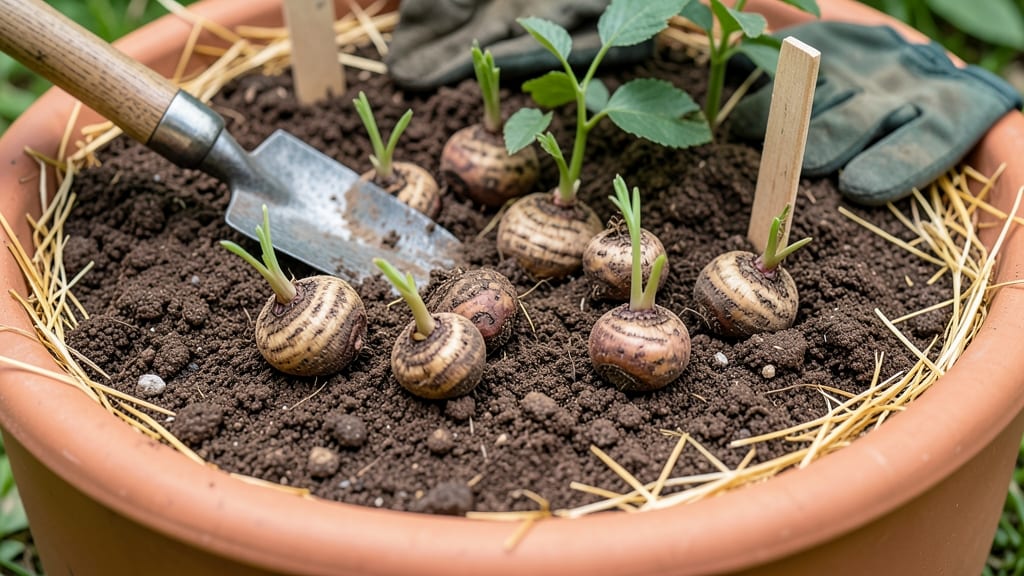
Planting dahlia bulbs in Georgia after the last frost date ensures vibrant blooms from June through fall 🌼 — and missing that window means frost damage or stunted growth.
Georgia gardeners know timing is everything—plant dahlias too early, and frost will ruin your blooms; too late, and you’ll miss peak summer color. Here’s the exact USDA Zone 8a planting schedule to guarantee frost-free dahlias that thrive from June to frost.
In Georgia’s 7b-8b zones, the ideal window is late March to mid-April, once soil warms to 60°F and nighttime temperatures stay above 50°F. Coastal areas like Savannah can plant slightly earlier, while Piedmont regions may wait until early April to avoid late frosts.
Below, you’ll discover how to prep your tubers, adjust for Georgia’s humidity, and avoid common mistakes—so your dahlias burst into color exactly when you want them.
Optimal dahlia planting dates in Georgia’s USDA Zone 8a (with frost risk timeline)
Georgia’s USDA Zone 8a offers a 215-day frost-free growing season—perfect for dahlias—but timing is critical. Plant too early, and a late frost will kill tender tubers; too late, and you’ll miss peak summer blooms.
The ideal window is after your average last frost date, when soil warms to 60°F or above.
Your exact planting dates depend on Georgia’s microclimates. In Atlanta (Piedmont region), the last frost typically occurs around March 15-20, while Savannah (coastal region) sees frost-free conditions by March 1-10.
Coastal areas warm faster, but inland zones like Athens or Macon may need to wait until mid-April.
Here’s the summary table breaking down your planting timeline, soil temperature thresholds, and regional variations:
| Region | Last Frost Date | Optimal Planting Window | Soil Temp Threshold | First Bloom Expectation |
|---|---|---|---|---|
| Atlanta (Piedmont) | March 15-20 | April 1-15 | 60°F+ | Late June |
| Savannah (Coastal) | March 1-10 | March 20-April 5 | 58°F+ | Early June |
| Athens/Macon (Inland) | March 20-April 1 | April 10-25 | 62°F+ | Mid-July |
| Valdosta (Southwest) | February 28-March 5 | March 15-April 1 | 57°F+ | Late May |
🌱 Note: Use a soil thermometer to confirm 60°F+ before planting.
For extra insurance, monitor the National Weather Service’s frost predictions or use local garden club resources like the University of Georgia Extension. Their frost-free date maps update annually—bookmark them for future seasons!
Once soil hits 60°F, dahlias grow fastest in full sun (6-8 hours daily). In Atlanta’s heat, afternoon shade helps prevent wilting, while Savannah’s humidity demands well-draining soil to avoid root rot. Amend clay soil with compost or sand to improve drainage.
Pro tip: Chit your tubers (place cut-side up in a bright, 60°F+ spot) 2-3 weeks before planting. This jumpstarts growth, giving you a 2-week head start on blooms. Just avoid chitting too early—frost can still kill sprouts if planted prematurely.
After planting, mulch heavily (3-4 inches of straw or pine needles) to retain moisture and regulate soil temperature. In Savannah’s heat, mulch prevents soil crusting, while in Atlanta’s fluctuating temps, it protects roots from late-spring frosts.
Your dahlias will reward precise timing with vibrant blooms from July to frost. For tall varieties (4-6 ft), stake or cage them at planting to avoid wind damage—Georgia’s summer storms can snap stems without support.
🌼 Remember: The 10-day rule applies—if frost is predicted within 10 days of your target planting date, delay until conditions stabilize. Your dahlias will thank you with longer, healthier stems and bigger blooms.
How to prepare dahlia tubers for Georgia’s humid climate (step-by-step pre-planting care)
Georgia’s humid summers and heavy clay soils demand extra care when preparing dahlia tubers for planting. Skipping these steps risks rot, weak growth, or stunted blooms. I’ve learned the hard way—fungal issues thrive in our damp air, so proper prep is non-negotiable.
Your first move should be chitting tubers (pre-sprouting indoors) to give them a 2-3 week head start. This method works best for Georgia’s short growing season, ensuring dahlias bloom by June instead of July.
But chitting isn’t your only option—cutting large tubers can double your plant count if done correctly.
Georgia’s sandy soils (common in coastal areas) or clay-heavy loam (Piedmont region) both need amendments to improve drainage. I mix compost + perlite (50/50 ratio) into planting holes to prevent waterlogged roots. For fungal prevention, add 1 tbsp copper fungicide to the soil mix—trust me, it’s worth it.
Chitting Methods Compared
Indoor Chitting (Window Method)
- Pros: Free, simple, works for small batches
- Cons: Slower sprouting (2-3 weeks), temperature-dependent
Grow Light Chitting
- Pros: Faster sprouting (10-14 days), consistent warmth
- Cons: Requires grow light setup, higher cost
For cutting tubers, wait until sprouts are 2-3 inches tall before dividing. Use a sterilized knife to separate sections, ensuring each piece has at least one eye (growth node). Let cuts dry for 1-2 hours before planting to prevent rot—a critical step in Georgia’s damp climate.
After prepping tubers, soak them in a fungicide solution (like Mycorrhizal inoculant) for 10 minutes. This boosts root health and fights Phytophthora, a fungal menace in our region.
Plant tubers 4-6 inches deep in well-amended soil, with the eyes facing upward. Mulch with 2 inches of straw to retain moisture and suppress weeds.
Finally, water deeply after planting but avoid overhead watering—Georgia’s humidity is enough to spread disease. Stick to drip irrigation or soaker hoses for consistent moisture without fungal risks. With these steps, your dahlias will thrive all summer—no weak stems or missed blooms! 🌼