
Plants
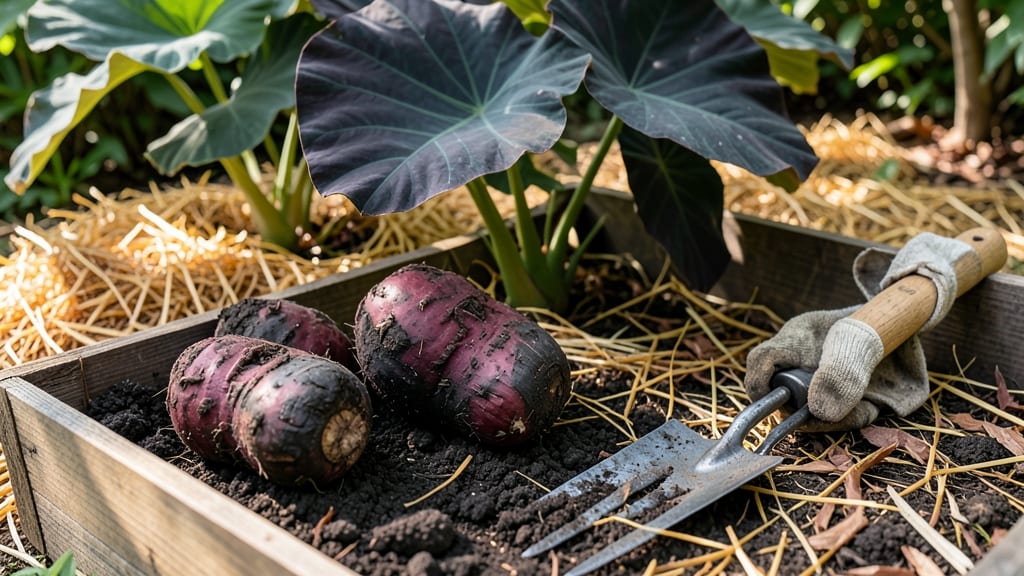
Planting elephant ear bulbs in Georgia after the last frost — around mid-March for most of the state — gives them the warm soil they crave to burst into those dramatic 🌿 leaves.
Georgia gardeners know timing is everything—especially when planting elephant ear bulbs, which thrive in warm soil but wilt under late frosts. Get your planting schedule perfectly aligned with Georgia’s USDA Zones 7b-8a to ensure stunning foliage all season long.
Too early, and your tubers can rot in cold, damp soil. Too late, and you miss the 6-8 week head start they need before summer’s heat kicks in. The key is waiting until soil temperatures hit 60°F and staying frost-free.
Below, I’ll walk you through the exact frost-free timeline for your zone, how to prep soil for maximum growth, and which elephant ear varieties handle Georgia’s humidity best.
Optimal planting windows for elephant ear bulbs in Georgia’s climate
Georgia’s USDA Zones 7b-8a offer perfect conditions for elephant ear bulbs (Colocasia spp.), but timing is critical. These tropical beauties demand warm soil and frost-free nights to thrive. Plant too early, and your tubers risk frost damage—plant too late, and you’ll miss the peak growing season.
Let’s align your schedule with Georgia’s climate quirks for foolproof success.
Elephant ear bulbs are tender perennials that won’t survive freezing temperatures. In Georgia, the last average frost date ranges from mid-March in Zone 7b to early March in Zone 8a.
However, soil temperature is more critical than air temperature—bulbs need 60°F+ soil to sprout consistently. This often means waiting 2-3 weeks after the last frost.
Here’s the golden window for planting in Georgia: late March through early April. This timing ensures bulbs establish roots before summer’s intense heat and gives foliage time to mature before fall frosts. For container gardening, you can push planting into mid-April since pots warm up faster.
🌱
For early-spring planting (February in Zone 8a), use a cloche or cold frame to protect tender shoots. These methods create microclimates that can raise soil temperatures by 5-10°F.
I’ve had success with black plastic mulch laid 2 weeks before planting—it absorbs heat and warms the soil faster than bare earth.
If you’re in Zone 7b and experience late frosts, consider container growing. Pots absorb and retain heat better than garden beds, giving your elephant ears a 2-3 week head start.
Just ensure containers have drainage holes—these plants hate soggy roots. Place them near a south-facing wall to maximize warmth.
One
Signs your soil is ready for elephant ear bulbs (and how to prep it)
Elephant ear bulbs (Colocasia spp.) crave rich, moist soil with good drainage, but they’ll rot if planted too early in cold, soggy ground. In Georgia’s USDA Zones 7b-8a, aim for soil temperatures above 60°F—this usually aligns with mid-to-late March after the last frost.
Test your soil’s readiness with these key indicators before digging in.
First, check soil moisture by squeezing a handful—it should feel damp but not waterlogged. Elephant ears despise standing water, yet they need consistent moisture to thrive. Next, verify soil temperature with a soil thermometer (or plant in late March when daytime temps hit 65°F+).
Cold soil slows root growth, leaving bulbs vulnerable to rot or frost damage.
Your soil’s pH level matters too—elephant ears prefer slightly acidic to neutral soil (6.0–7.0). Test with a home pH kit or send a sample to your local Cooperative Extension Service.
If your soil is too alkaline (above 7.5), amend it with sulfur or peat moss before planting. Acidic soil (below 5.5)? Mix in lime to balance it out.
⚠️ WARNING: Planting Too Early Can Kill Your Bulbs
⚠️ Cold Soil = Death for Elephant Ear Bulbs
Planting in chilly, wet soil (below 55°F) triggers fungal rot or tuber decay. Georgia’s late frosts (even in Zone 8a) can still hit in March—wait until nighttime temps stay above 50°F consistently. Pro Tip: Use a black plastic mulch to warm soil faster if you’re eager to plant early.
🌱 Signs Your Soil Is Ready:
- 🌡️ Soil temp: 60°F+ at 4" depth
- 💧 Moist but crumbly (not sticky)
- 🌿 pH between 6.0–7.0
To prep your soil, start by removing weeds and loosening the top 12 inches with a broadfork or tiller. Elephant ears love organic matter, so mix in 3–4 inches of compost or well-rotted manure.
For heavy clay soil (common in Georgia), blend in sand or perlite to improve drainage. A balanced fertilizer (10-10-10) at planting time gives bulbs a nutrient boost for faster growth.
For container planting, use a fast-draining potting mix with peat moss or coconut coir. Add a slow-release fertilizer to the bottom of the pot before placing the bulb.
Containers warm up faster than garden beds, so you can plant 1–2 weeks earlier than in-ground. Just ensure pots have drainage holes—elephant ears hate soggy roots.
After amending, water deeply to settle the soil and encourage root growth. Mulch with 2–3 inches of straw or shredded leaves to retain moisture and regulate temperature.
Avoid thick mulch layers, though—too much can suffocate bulbs in humid Georgia summers. Now your soil is primed for bold, tropical foliage all season long! 🌿