
Companion Plants
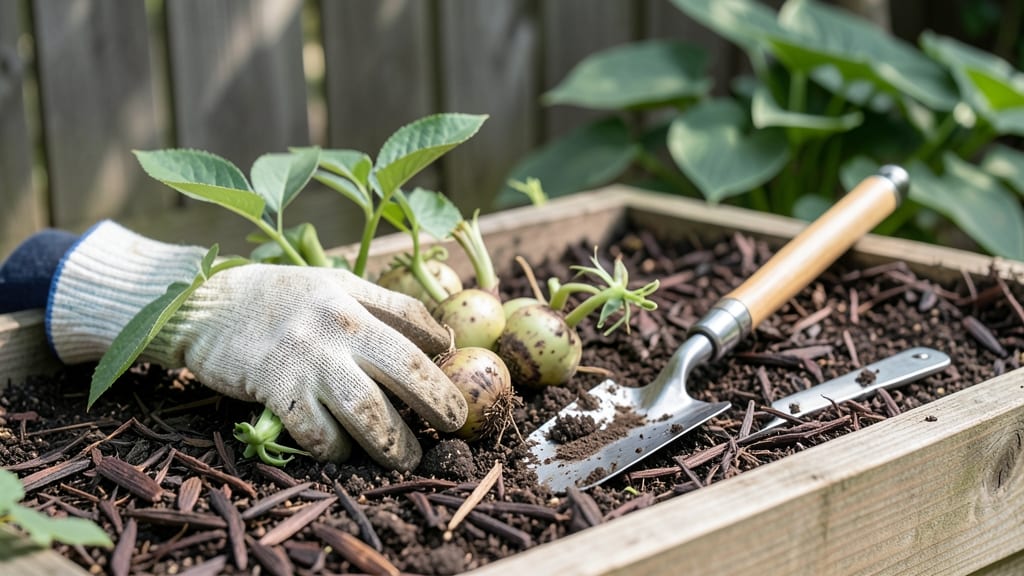
Planting dahlias in Pennsylvania after the last frost—typically mid-April to mid-May—is the key to seeing those stunning 🌸 blooms all summer long.
If you love bold, show-stopping dahlias but dread losing them to late spring frosts, timing your planting is the secret weapon you need—get it wrong, and you risk wilted dreams before summer even begins.
In USDA Zone 6b, like most of Pennsylvania, soil temperatures need to hit 60°F (15°C) before you plant tubers, and waiting until after the average last frost date (usually around April 15) gives your dahlias the best shot at thriving.
Below, I’ll break down the exact window for your region, how to prep tubers for planting, and the 3 critical care steps to keep your dahlias blooming from July to October.
Exact PA planting dates for dahlias in USDA Zone 6b (with frost risk timeline)
Getting your dahlias in the ground at the perfect moment in Pennsylvania’s USDA Zone 6b means the difference between show-stopping blooms and wilted disappointment. Since Zone 6b experiences late spring frosts that can strike as late as May 10th, timing is everything.
The ideal window opens when soil warms to 60°F (15°C)—typically mid-to-late May—but your local microclimate can shift this by weeks.
Most Pennsylvania gardeners make the mistake of planting too early, only to watch their tender tubers rot in chilly, damp soil. To avoid this, I always check the 10-year frost averages from the National Weather Service and add a 2-week buffer.
For example, if your area’s last frost is April 25th, wait until May 15th—not May 1st—to plant.
If you’re planting tubers (the most common method), I recommend chitting them indoors 4–6 weeks before your target outdoor date. This means placing them in a bright, warm spot (like a sunny windowsill) with the eyes facing up.
Once sprouts reach 2–3 inches, they’re ready for the garden—just be sure to harden them off first by gradually exposing them to outdoor conditions.
For seed-grown dahlias, start seeds indoors 8–10 weeks before your last frost date. Since seeds take longer to mature, I often begin them in early March under grow lights. Seedlings are more delicate than tubers, so I use biodegradable pots to avoid transplant shock when moving them outside.
Don’t forget that microclimates in Pennsylvania can shift planting dates by 1–2 weeks. For example, areas near Lake Erie (like Erie) may see last frosts 10 days earlier than inland regions like Harrisburg.
To adjust, I check local Almanac frost maps or ask fellow gardeners in my county extension office for insights.
Once you’ve planted, monitor your dahlias for early signs of stress, like yellowing leaves or stunted growth. These often signal chilly soil or poor drainage. If you notice these issues, I recommend adding a thick layer of mulch (like straw) to insulate roots and keep soil temperatures stable.
This is especially critical in Zone 6b’s unpredictable springs.
Pro tip: Mark your planting date on a calendar and set a reminder to fertilize 4–6 weeks later with a balanced bloom booster (like 5-10-10). Dahlias are heavy feeders, and skipping this step means fewer, smaller blooms.
I also side-dress with compost tea every 2 weeks to keep them thriving through Pennsylvania’s hot, humid summers.
By following these Zone 6b-specific guidelines, you’ll maximize your dahlias’ potential and enjoy months of vibrant blooms—from July through October. Just remember: Patience is key in Pennsylvania’s climate, and rushing the process often leads to regret. 🌸
How to extend your dahlia season in Pennsylvania (cold protection hacks)
Pennsylvania’s unpredictable spring frosts can turn your dahlia dreams into wilted disappointments if you don’t plan ahead. But with the right cold protection strategies, you can coax those stunning blooms weeks earlier—or keep them thriving later into fall.
The key lies in understanding microclimates across PA, from Pittsburgh’s cooler valleys to Philadelphia’s urban heat islands.
Even in USDA Zone 6b, where last frosts can linger until May 15, you can push your dahlias into bloom by April 1 using simple, low-cost techniques. The secret? Combining soil warming, protective barriers, and strategic transplanting to create a controlled environment for your tubers.
Let’s dive into the hacks that work in my PA garden—and how you can adapt them to your yard.
Start Tubers Indoors Early
Chit dahlia tubers in pots 6-8 weeks before last frost. Place near a south-facing window or under grow lights (12+ hours/day) to jumpstart growth. Use well-draining soil and keep temps above 60°F (15°C).
Use Row Covers for Early Planting
Plant tubers 3-4 weeks before your average last frost in black plastic mulch or floating row covers. These raise soil temps by 5-10°F and protect new shoots. Remove covers when daytime temps stay above 50°F (10°C).
Cold Frame Magic for Late Blooms
Extend fall blooms by 4-6 weeks using a cold frame or mini greenhouse. Plant dahlias in containers and move them under cover when nighttime temps drop below 40°F (4°C). Use clear plastic lids to trap heat during the day.
Strategic Transplanting
Grow dahlias in pots until May 1, then transplant to your garden. This buys you 2-3 extra weeks of growth before frost. Choose heat-loving varieties like 'Café au Lait' or 'Thomas Edison' for better cold tolerance.
Soil Warmers for a Head Start
Lay black plastic sheeting or landscape fabric over garden beds 2 weeks before planting. This absorbs sunlight and raises soil temps by 10-15°F, helping dahlias sprout faster. Remove fabric once tubers are planted to avoid overheating.
Don’t overlook the power of microclimates in PA. A south-facing slope or urban heat island can add 1-2 weeks to your growing season. Test your spot by planting a test tuber in early April—if it survives until May 1, you’re golden.
For cooler areas, combine row covers with black plastic mulch for double protection.
One of my favorite late-season hacks is using cloche covers (glass jars or plastic domes) over individual stems. These create mini greenhouses that protect blooms from light frosts down to 28°F (-2°C).
Just remove them during the day to prevent overheating. I’ve kept dahlias blooming until Thanksgiving using this method!
Remember, dahlias are tender perennials—they won’t survive PA winters outdoors, but with these tricks, you can maximize their blooming window and enjoy cut flowers from early July to late October.
Start small with 1-2 tubers to test what works in your yard, then expand next year. Your garden (and your vase arrangements) will thank you! 🌸