
Plants
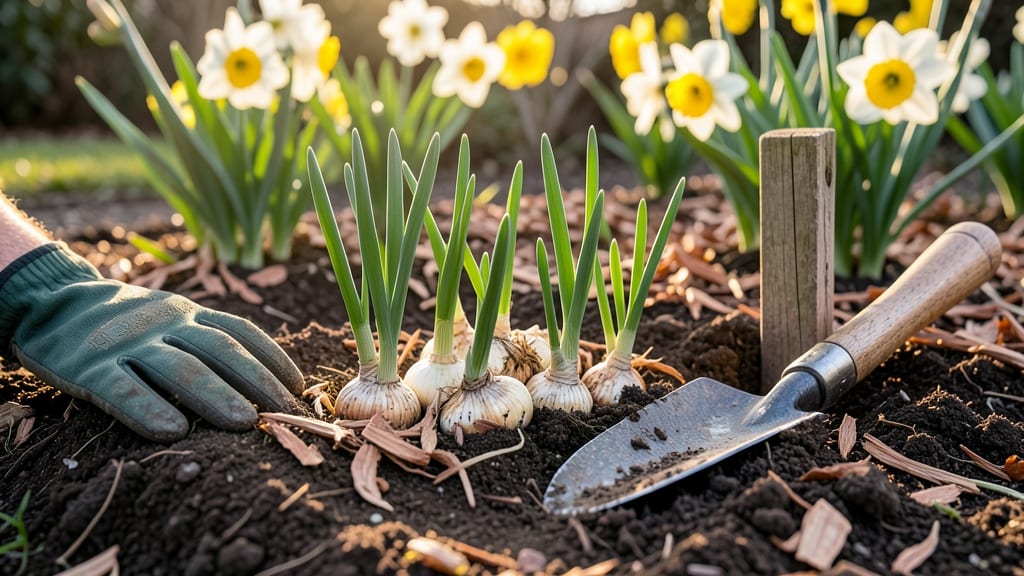
Planting daffodils in Minnesota between September and November ensures they root before winter’s first frost, setting the stage for those cheerful 🌼 blooms next spring.
Minnesota gardeners know timing is everything—plant daffodils too early, and frost will kill them; too late, and they’ll miss their ideal growing window. But with the right strategy, you can ensure vibrant blooms year after year in Zones 3-4.
Fall planting gives the bulbs time to establish roots in the cool soil, which helps them survive Minnesota’s harsh winters. The key is getting them in the ground 4-6 weeks before the first frost, usually by mid-November at the latest.
Below, I’ll walk you through the best months for your region, how to prep bulbs for winter, and common mistakes that could leave you with no spring flowers.
Optimal planting months for daffodils in Minnesota’s Zones 3-4
Timing your daffodil planting is critical in Minnesota’s Zones 3-4, where winter temperatures can drop below -30°F. The ideal window spans September through November, but the exact timing depends on your specific location’s last frost date and soil conditions.
Planting too early risks frost damage, while late planting may delay spring blooms.
Daffodils thrive when planted 4-6 weeks before the ground freezes. In northern Minnesota (Zone 3), this typically means early September to mid-October. Southern Minnesota (Zone 4) gardeners have slightly more flexibility, with late September to November being ideal. Always check your local frost forecast for precision.
| Planting Window | Soil Temp Threshold | Frost Risk | Regional Adjustment |
|---|---|---|---|
| Early September | 50-60°F | Low (Zone 4) | Best for southern MN |
| Mid-September | 45-55°F | Moderate | Ideal for central MN |
| Late September | 40-50°F | High (Zone 3) | Critical for northern MN |
| October | 35-45°F | Very High | Last chance before freeze |
| November | Below 35°F | Extreme | Risky; only for Zone 4 |
Soil temperature plays a crucial role in daffodil root establishment. Bulbs need 40-60°F soil to initiate root growth before winter dormancy. Use a soil thermometer to monitor—if temperatures drop below 40°F, delay planting until conditions improve. In Zone 3, this often means waiting until late September.
Microclimates within Minnesota create additional variables. Urban areas may experience warmer soil due to heat absorption, while rural or wooded areas cool faster. If your yard has shady spots or poor drainage, plant daffodils in October to allow roots to establish before winter.
Always prioritize well-draining soil to prevent bulb rot.
Northern Minnesota’s shorter growing season demands earlier planting. Aim for late August to early September in areas like International Falls or Duluth, where winters are harshest. Southern Minnesota, including Minneapolis-St. Paul, can extend planting until mid-November—but only if soil remains workable and frost isn’t imminent.
Never plant daffodils in spring—they won’t have enough time to establish roots before summer heat. If you miss the fall window, your bulbs may bolt (send up premature shoots) or fail to bloom. For container gardening, plant in late September and move pots to a protected location before frost.
Minnesota’s first frost dates vary dramatically: October 15 in the north vs. November 1 in the south. Use these dates as your planting deadline. For example, if frost is predicted on October 20, finish planting by September 25 to ensure root development.
Always check the National Weather Service for localized forecasts.
Pro tip: Plant daffodil bulbs deeper (6-8 inches) in colder zones to protect them from freeze-thaw cycles. Add a 2-inch layer of mulch after planting to insulate soil and retain moisture. This extra care is especially vital in Zone 3, where winter survival rates drop significantly without protection.
By aligning your planting schedule with soil temperature, frost risk, and regional microclimates, you’ll give your daffodils the best chance to thrive. With the right timing, you’ll enjoy vibrant blooms from April to May, brightening Minnesota’s often harsh spring.
How to prepare daffodil bulbs for Minnesota’s harsh winters
Minnesota’s Zone 3-4 winters can be brutal on daffodil bulbs, but with the right prep, they’ll thrive and reward you with bright spring blooms. The secret lies in selecting hardy varieties, amending soil properly, and planting at the correct depth to protect them from freezing temperatures.
Start by choosing cold-hardy daffodil varieties like 'Ice Follies' or 'Tête-à-Tête', which are proven performers in harsh climates. These varieties handle sub-zero temperatures better than tropical hybrids, ensuring they’ll survive Minnesota’s winters without rotting or freezing.
Prepare Daffodil Bulbs for Minnesota Winters
-
1. Select Hardy Bulbs
Choose Zone 3-4 rated varieties like 'Ice Follies' or 'Minnesota'. Avoid tender hybrids that struggle in freezing soil.
-
2. Amend Heavy Clay Soil
Mix in 3-4 inches of compost or sand to improve drainage. Minnesota’s clay soil can suffocate bulbs during winter thaw cycles.
-
3. Plant at Correct Depth
Dig holes 6-8 inches deep (twice the bulb height). Deeper planting protects against freeze-thaw cycles that heave bulbs out of the ground.
-
4. Space Bulbs Properly
Plant bulbs 4-6 inches apart to prevent rot and competition. Overcrowding reduces winter survival rates.
-
5. Mulch After Planting
Apply 4-6 inches of straw mulch after the ground freezes. This insulates bulbs from extreme temperature swings and prevents heaving.
-
6. Water Before Freeze
Give bulbs a deep watering 1-2 weeks after planting. This establishes roots before winter dormancy begins.
After planting, mulching is non-negotiable in Minnesota’s climate. Use straw or shredded leaves (avoid fresh grass clippings) to create an insulating layer. Remove mulch in early spring once temperatures rise above freezing to prevent rot.
One common mistake is planting too shallow—bulbs left too close to the surface can freeze and rot during Minnesota’s deep freezes. Always measure twice: 6-8 inches deep is ideal for our climate.
For extra protection in Zone 3 areas, consider adding a thick layer of bark mulch over the straw.
With these steps, your daffodils will survive Minnesota’s winters and greet you with cheerful blooms by late April or May. The key is patience—fall prep now means reliable spring color for years to come. 🌼