
Plants
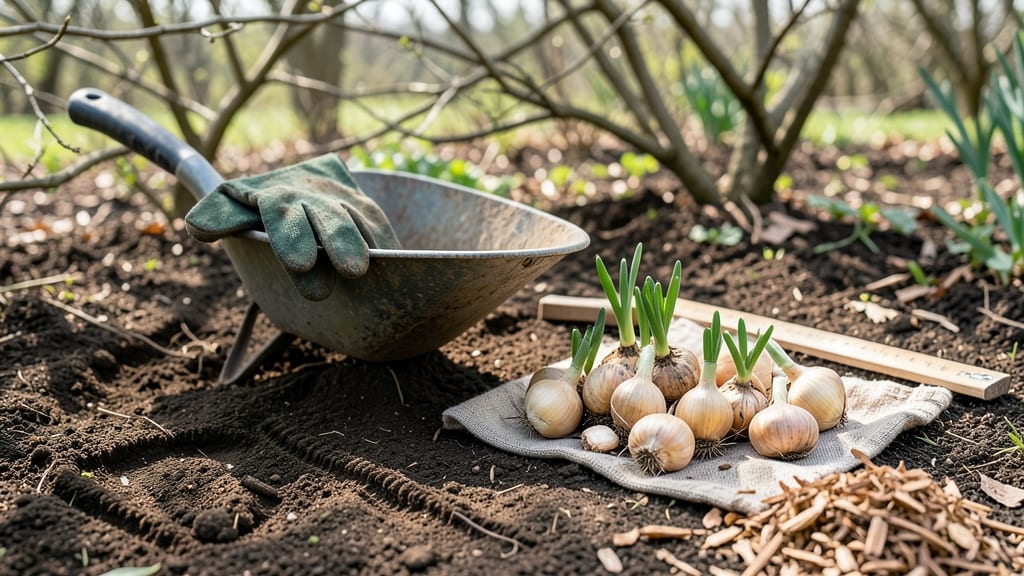
Planting daffodil bulbs in Indiana between October and November is the key to blooms that greet spring with zero frost surprises.
Indiana gardeners know timing is everything—plant too early, and your 🌼 bulbs rot in cold soil; too late, and they won’t bloom before winter’s chill. The 6-week window before the ground freezes (usually mid-October to early November) is your sweet spot for hardy roots and vibrant spring color.
This isn’t just about dates—it’s about soil temperature. Aim for 60°F soil, which in Indiana’s USDA Zones 5b-6a typically aligns with late October.
Use a soil thermometer if you’re unsure, or follow the "60-50-40 rule": plant when daytime highs hit 60°F, nighttime lows dip to 50°F, and the ground stays above 40°F.
Below, I’ll break down the exact planting calendar for your Indiana county, soil prep secrets to outsmart unpredictable falls, and the top 3 daffodil varieties that thrive here—plus a backup plan if frost sneaks in early.
Optimal Indiana daffodil planting dates by month (Zone 5b-6a guide)
Indiana's USDA Zones 5b-6a offer a narrow window for planting daffodil bulbs, where timing directly impacts next spring's blooms. The ideal planting period spans September through November, but exact dates depend on soil temperature and frost dates.
In northern Indiana (Zone 5b), aim for late September to early October, while southern Indiana (Zone 6a) gardeners have until mid-November.
Daffodils need 4-6 weeks to establish roots before winter dormancy. Planting too early in wet, cold soil risks rot, while waiting too long may prevent root growth before frost.
Indiana's average first frost falls around October 15, but microclimates—like urban heat islands or lake-effect zones—can shift this by 1-2 weeks.
| Month | Optimal Planting Window | Soil Temperature | Notes for Indiana |
|---|---|---|---|
| Late September | Zone 5b only (northern IN) | 55-60°F (13-16°C) | Risk of early frost; prioritize well-draining sites |
| Early October | Zone 5b-6a (best window) | 50-55°F (10-13°C) | Ideal balance of root growth and frost prep |
| Mid-October | Zone 6a (southern IN) | 45-50°F (7-10°C) | Last chance for full root establishment |
| November | Zone 6a only (early November) | 40-45°F (4-7°C) | Hurry—soil must be workable; use mulch |
For early-blooming varieties like 'Tête-à-Tête' or 'Ice Follies', plant by mid-October to ensure they flower before late frosts. Late varieties, such as 'Papillon' or 'Thalia', can wait until early November in Zone 6a. Always plant bulbs 6-8 inches deep and 6 inches apart to prevent rot and encourage clumping.
Indiana's microclimates play a crucial role. Urban areas like Indianapolis may experience warmer soil by October 1, while rural northern Indiana might need to wait until October 15.
Observe local tree bud break—when maple or oak buds swell, soil temps are typically 45°F+, signaling it's safe to plant.
Adjust for wet fall conditions by planting in raised beds or areas with sandy loam soil. In clay-heavy soils, amend with compost or perlite to improve drainage. Avoid planting in low-lying areas where water pools, as daffodils hate soggy roots.
If Indiana's fall weather throws curveballs—like unseasonable warmth in September—hold off until soil temps drop below 60°F. This prevents premature sprouting, which weakens bulbs.
Use a soil thermometer ($10 at garden centers) for accuracy, or press your hand into the soil: if it feels cool but workable, it's planting time.
For container gardening, plant daffodils in October using pots with drainage holes. Place containers in sheltered spots (like against a garage wall) to protect from winter winds. In Zone 5b, add 3 inches of mulch after planting to insulate bulbs during freeze-thaw cycles.
Missed the window? December planting is possible in Zone 6a if soil remains workable, but bulbs may need extra mulch (4-6 inches) to survive. In Zone 5b, avoid December planting—frost risk outweighs benefits. Instead, wait for spring planting (March-April), though blooms may be smaller or delayed.
Track Indiana's frost dates using the Old Farmer's Almanac or local Purdue Extension resources. For example, Lafayette's average last frost is April 15, while Gary's is April 22. Planting 6 weeks before these dates ensures daffodils bloom before late frosts damage tender flowers.
Remember: well-planted bulbs = fewer pests. Daffodils naturally deter squirrels and deer, but deep planting (6-8 inches) adds extra protection. After planting, water deeply to settle soil and encourage root growth. Skip fall fertilization—bulbs need dormancy to bloom spectacularly next spring. 🌱
How to adjust planting for Indiana’s unpredictable fall weather
Indiana’s fall weather can shift from warm sunny days to sudden frosts in a matter of weeks, making it tricky to time daffodil bulb planting. If the soil stays too warm, your bulbs may sprout prematurely and get fried by early frost.
Conversely, planting too late leaves them vulnerable to winter’s harsh conditions. The key is flexibility—adjusting your approach based on real-time conditions rather than sticking to a rigid calendar.
Start by checking soil temperature. Daffodil bulbs need the ground to be below 60°F (15°C) but not frozen.
Use a soil thermometer to monitor—if it’s still hovering around 65°F (18°C) in early October, wait a few weeks. Northern Indiana (Zone 5b) may need to delay until late October, while southern Indiana (Zone 6a) can plant as early as mid-September.
⚠️ callout warning ⚠️
If your area experiences an unexpected early frost (before November 1), cover newly planted bulbs with straw mulch (4-6 inches) to insulate roots. Avoid plastic—it traps moisture and can rot bulbs. Check the Indiana State Climate Office for 10-day forecasts before planting.
For wet soil conditions, daffodil bulbs can rot if planted in soggy ground. Amend heavy clay or waterlogged areas with compost or coarse sand to improve drainage. If rain keeps the soil too damp, delay planting until it dries out—bulbs won’t survive in waterlogged soil.
A simple test: squeeze a handful—if it forms a tight ball, wait a few days.
Use mulch strategically to regulate soil temperature. Apply a 2-3 inch layer of straw or shredded leaves after planting to protect bulbs from temperature swings. In Zone 5b, add an extra inch of mulch if winters are particularly harsh.
Remove mulch in early spring to allow sunlight to warm the soil and encourage sprouting.
If fall weather throws you off schedule, don’t panic—daffodil bulbs can handle backup planting dates into early November, as long as the ground isn’t frozen. For a second-chance planting, choose smaller bulbs (they’re less likely to rot) and plant them shallower (4-5 inches deep) in well-draining soil.
These may bloom slightly later but will still thrive.
Finally, monitor your garden’s microclimate. South-facing slopes warm up faster than shady spots, so plant those areas first. If your yard has frost pockets (low spots where cold air settles), avoid planting bulbs there or use mulch to create a protective barrier.
With these adjustments, Indiana’s unpredictable fall won’t derail your daffodil dreams! 🌼