
Plants
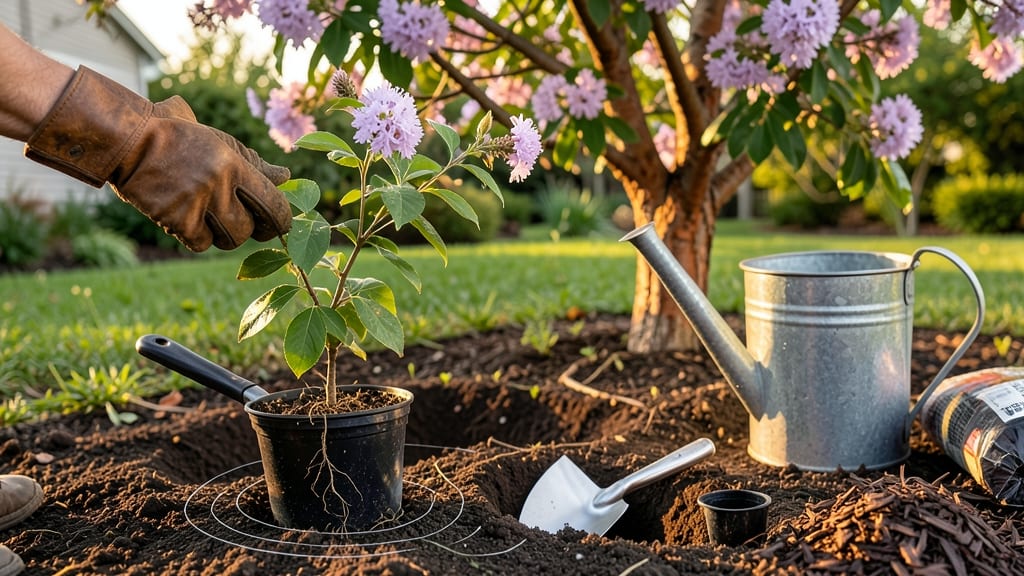
Plant crape myrtles in Virginia after your last frost—typically between late March and May—when soil temperatures rise and the risk of freezing nights fades.
Virginia’s warm summers and humid climate create the perfect conditions for crape myrtles 🌸, but planting them too early can leave young roots vulnerable to late frosts. In colder zones like 6a, wait until after mid-April to ensure strong root establishment.
You’ll also want to avoid fall planting in the northern half of the state, where early frosts can stress newly planted trees. Instead, focus on that sweet spot in spring when the ground is workable and the weather cooperates.
Below, I’ll break down the best months for your region, soil prep tips, and how to tell when your crape myrtle is truly ready to thrive in Virginia’s climate.
Best months to plant crape myrtles in Virginia for maximum growth
Virginia’s diverse climate zones (USDA 6a-8a) mean crape myrtles thrive when planted at the right time. Northern Virginia’s cooler springs require later planting, while Southern Virginia’s warmer climate allows earlier starts. The key is avoiding late frosts and extreme heat stress during root establishment.
For optimal growth, aim for late spring (after last frost) or early fall when soil stays warm. Planting too early risks frost damage, while late summer planting can stress young roots before winter. Let’s break down the best months for Northern vs. Southern Virginia.
Visual comparison below shows the ideal planting windows, soil temperatures, and seasonal risks for each region. Use this as your guide to avoid common mistakes like overwatering in summer or poor root establishment in cold soil.
| Region | Best Planting Months | Soil Temperature | Seasonal Risks | Key Tip |
|---|---|---|---|---|
| Northern VA (Zones 6a-7a) | May - Early June September - October |
60°F+ | Late frosts (April) Drought stress (July-August) |
Wait until after May 15 to avoid frost. |
| Central VA (Zones 7a-7b) | April - May September |
55°F+ | Unpredictable spring frosts Summer heat waves |
Test soil 2 weeks before planting for warmth. |
| Southern VA (Zones 7b-8a) | March - April August - September |
50°F+ | Hurricane season (June-October) Late summer drought |
Avoid hurricane-prone months (June-August). |
| ⚠️ Pro Tip: Use a soil thermometer to confirm 60°F+ soil before planting. | ||||
In Northern Virginia (Zones 6a-7a), the safest window is May through early June or September to October. The last frost typically occurs around mid-April, but young crape myrtles are vulnerable to late-season cold snaps. Planting in fall gives roots time to establish before winter dormancy.
For Central Virginia (Zones 7a-7b), you can start as early as late April, but monitor soil temperatures closely. If the ground feels cool, delay planting until May. Fall planting here works well until early September to allow root growth before first frost in mid-October.
In Southern Virginia (Zones 7b-8a), the earliest you can plant is March, but avoid hurricane season (June-August). August-September is ideal for fall planting, as the humid heat of summer can stress young trees. Always water deeply after planting to combat drought.
One common mistake is planting crape myrtles in summer. While possible in Southern Virginia, the intense heat and drought can shock roots.
If you must plant in summer, use shade cloth and mulch heavily to retain moisture. Bare-root crape myrtles planted in summer often struggle more than container-grown varieties.
After planting, focus on consistent moisture for the first 6-8 weeks. Crape myrtles are drought-tolerant once established, but young trees need deep watering weekly during Virginia’s hot summers. Mulch with 2-3 inches of organic mulch to lock in moisture and regulate soil temperature.
If you miss the optimal window, don’t panic! Crape myrtles can be planted in early fall (up to October) or even late winter (February) in Southern Virginia. Just adjust your watering schedule and protect young trees from winter winds with burlap wraps if needed.
For container planting, the rules are slightly different. Potted crape myrtles can be planted year-round in Southern Virginia, but avoid freezing temperatures. In
Signs your Virginia soil is ready for crape myrtle planting (and what to do if it’s not)
Your Virginia soil is primed for crape myrtles when the soil temperature consistently stays above 60°F—this usually happens by late April to early May in most regions. Check with your finger: if the top 6 inches of soil feels warm to the touch, it’s time to plant.
This warmth signals the roots can establish quickly before summer heat arrives.
Another key indicator is the last frost date, which typically falls between mid-April and early May in Virginia. Planting too early risks damage from unexpected frosts, while waiting too long may stress young trees during summer’s peak heat.
Aim to plant 2-3 weeks after your local last frost date for optimal success.
⚠️ WARNING: Planting Too Early or Late in Virginia’s Microclimates
Test your soil’s moisture level before planting—crape myrtles prefer well-draining soil but need consistent moisture during their first year. Dig a hole and fill it with water; if it drains within 30 minutes, your soil is ready. Slow drainage? Amend with compost or sand to improve aeration.
For container planting, Virginia’s shorter growing season means you can start 2 weeks earlier than in-ground planting. Containers warm faster, but ensure they have drainage holes and use a lightweight potting mix to prevent waterlogging during Virginia’s humid summers.
If your soil isn’t ready, don’t rush—bare-root crape myrtles can wait 2-3 weeks in a cool, shaded spot, while potted varieties can stay in containers until conditions improve. Monitor local weather forecasts for prolonged dry spells or heatwaves, which can stress young plants.
Remember, Virginia’s humidity means mulching is non-negotiable. Apply 2-3 inches of mulch around the base (but not touching the trunk) to retain moisture and regulate soil temperature. This is especially critical in Zone 6a areas where summer heat can dry out soil quickly.