
Plants
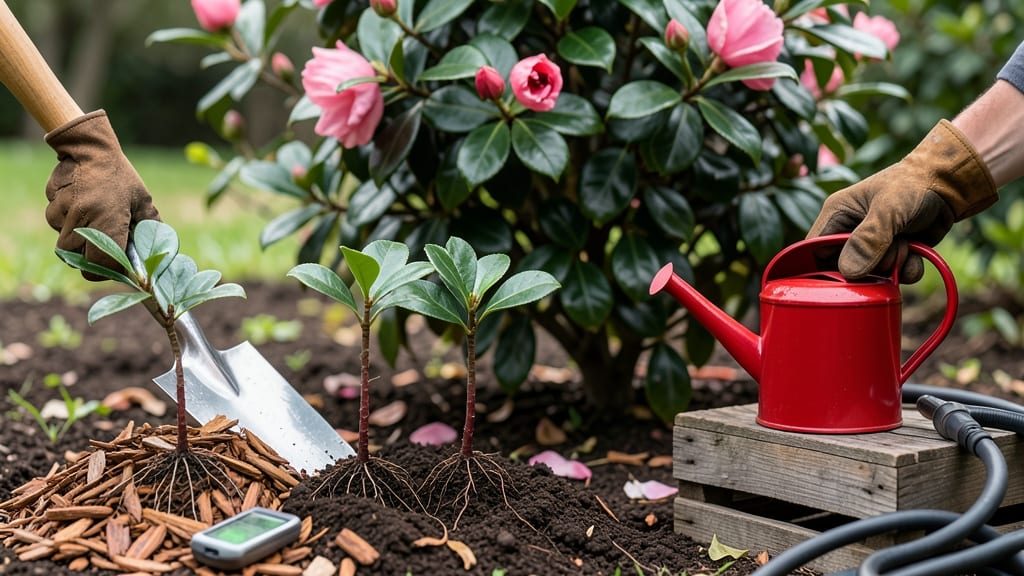
Planting camellias in Zone 9 during late fall to early spring unlocks their best growth and vibrant blooms 🌸—timing is everything for these heat-sensitive shrubs.
Zone 9 gardeners know timing is everything—plant camellias too early, and they’ll struggle with heat stress; too late, and they won’t establish roots before winter. But get it right, and you’ll unlock vibrant blooms year after year.
Unlike colder zones, Zone 9’s mild winters mean you’ve got a longer window—but that also means summer heat can stress young plants if you miss the ideal months. The key is cooler soil and steady moisture, which is why fall and early spring are your best bets.
Below, I break down the exact months to plant, how to prep your soil for success, and why some varieties thrive better in fall than spring—plus how to adjust for coastal vs. inland microclimates.
Optimal planting months for camellias in Zone 9 (with climate considerations)
Zone 9 gardeners have a unique advantage with camellias—their mild winters and frost-free days create ideal conditions for planting. Unlike colder zones, you can plant year-round with adjustments, but timing still matters to avoid heat stress or root shock.
The sweet spot? Late fall to early spring, when temperatures are cool and moisture is consistent.
Camellias thrive when planted during cooler months, but Zone 9’s microclimates—especially coastal vs. inland—demand nuanced timing. Coastal areas with moderate humidity can plant slightly later, while inland zones with hotter summers should prioritize fall planting to beat the heat.
Let’s break down the best windows and how to adapt.
🌸 Comparison Table: Best Planting Windows for Camellias in Zone 9
If you’re in a coastal Zone 9 area—think San Diego or Santa Barbara—you’ll find December to February particularly forgiving. The moderate temperatures and higher humidity create perfect conditions for root growth without the risk of heat stress that inland zones face.
I’ve planted camellias in my coastal garden in mid-December and seen them establish roots within 6 weeks, ready to bloom the following winter.
For inland Zone 9 gardeners—like those in Phoenix or Riverside—October to November is your best bet. The cooler evenings and warmer days give roots time to settle before the summer heat ramps up.
I once tried planting in April in inland Zone 9, and the transplant shock was evident within weeks—the leaves yellowed, and growth stalled until fall.
Adjust your timing based on soil temperature, not just the calendar. Use a soil thermometer to aim for 55-65°F—this range signals roots will establish actively without stress. In coastal areas, soil stays cooler longer, so you can plant 1-2 months later than inland zones.
For example, if inland gardeners plant in November, coastal gardeners can wait until December without risk.
Microclimates also play a role. If you’re in a frost pocket—even in Zone 9—avoid planting in late winter (February). A single cold snap can damage young roots. Instead, opt for early spring (March) when temperatures stabilize.
I learned this the hard way when a 28°F night in February 2021 killed back my newly planted Camellia japonica.
Pro tip: Mulch heavily after planting to retain moisture and regulate soil temperature. Use 3-4 inches of organic mulch (like pine bark or wood chips) to protect roots from temperature swings.
In my inland Zone 9 garden, mulching extends the planting window by 2-3 weeks in both fall and spring.
Finally, container-grown camellias offer flexibility if you miss the ideal window. They can handle summer planting in Zone 9, but water deeply every 2-3 days to prevent root desiccation. I’ve successfully planted container camellias in June by keeping them in shade cloth
How to time your camellia planting for maximum root establishment
Timing your camellia planting in Zone 9 isn’t just about avoiding frost—it’s about leveraging the cooler months when soil stays moist but not soggy. In my experience, the ideal window is late fall to early spring, but the devil’s in the details.
Plant too early, and your camellia will wilt under summer’s heat; too late, and it won’t root before the next growing season. Let’s break down the perfect timing and how to prep your site for success.
Zone 9’s mild winters and hot summers create unique challenges. Unlike colder climates, we don’t have to rush planting before frost—our real enemy is heat stress. Camellias thrive when soil temperatures hover between 50°F and 65°F, giving roots time to establish before the ground heats up.
This means avoid planting in summer unless you’re in a coastal area with cooler microclimates. Even then, summer planting requires extra care to keep roots hydrated.
- 1 Soil Temperature Check: Aim for 50°F–65°F soil temps. Use a soil thermometer to test before planting—ideal months are October–November and March–April.
- 2 Rainfall Timing: Plant during natural rainfall peaks (fall/winter) to reduce watering needs. Avoid planting in dry summers—roots need moisture to establish.
- 3 Avoid Transplant Shock: Water deeply 1–2 days before transplanting to hydrate roots. After planting, mulch heavily (3–4 inches) to retain moisture and cool roots.
- 4 Site Prep Timing: Amend soil with compost and peat moss 4–6 weeks before planting to improve drainage. Test pH (5.0–6.0)—camellias hate alkaline soil.
Preparing your planting site ahead of time is half the battle. I always start by testing the soil’s drainage and pH—camellias hate soggy roots and alkaline conditions. Amend the soil with organic matter like compost or pine bark fines to improve texture and acidity.
If your soil drains poorly, consider planting on a mound or raised bed to prevent waterlogging. Pro tip: Mulch immediately after planting with 3–4 inches of wood chips or pine straw to lock in moisture and regulate soil temperature.
One of the biggest mistakes I’ve seen is planting camellias during peak summer heat. The stress of transplanting combined with 100°F+ soil temps can shock roots, leading to wilting or even death.
If you must plant in summer (e.g., for a last-minute landscape fill), provide afternoon shade and daily deep watering for the first 30 days. Even then, growth will be slower until temps cool. For best results, stick to the fall or early spring windows when the weather cooperates.
Don’t overlook the importance of rainfall patterns in Zone 9. Fall planting aligns with natural wetter conditions, reducing your watering workload. If you’re planting in late winter or early spring, keep an eye on forecasts—dry spells can stress young roots.
I’ve found that container-grown camellias handle transplanting slightly better than bare-root plants, but both benefit from a thorough watering schedule post-planting. Aim for 1–2 gallons of water per plant every 5–7 days until roots establish (usually 6–8 weeks).
Finally, remember that camellias are slow to establish—patience is key. The first year after planting, focus on root development rather than blooms. Prune lightly to encourage new growth, but avoid heavy cuts that stress the plant.
By timing your planting right and giving your camellia the ideal conditions, you’ll set it up for years of vibrant blooms with minimal fuss. Trust me, the effort pays off in spades when those glorious flowers appear next winter! 🌸