
Plants
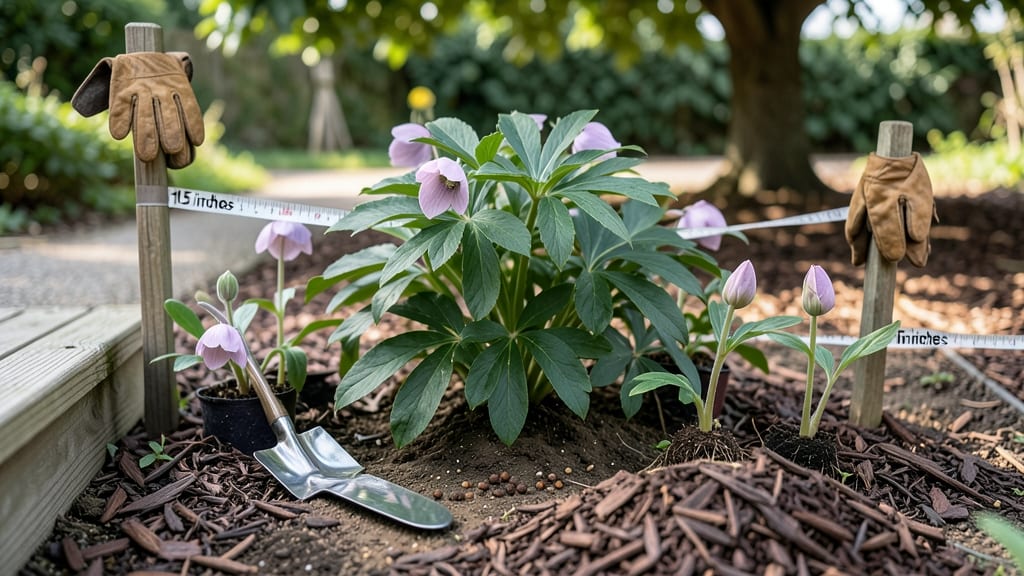
Planting hellebore in Zone 7 during fall or early spring sets the stage for stunning winter blooms 🌸—but the timing matters more than you’d think.
If you’ve ever watched hellebores struggle to take root in Zone 7’s unpredictable climate, you know how frustrating it can be. Too early, and they’ll sit dormant in wet soil; too late, and frost can damage tender roots before they establish.
The sweet spot? A window that balances soil warmth and moisture, which is exactly what we’ll break down here.
Zone 7’s mild winters and variable frost dates mean hellebores need extra care—whether you’re in the cooler inland areas or the milder coastal regions. The right planting month isn’t just about the calendar; it’s about soil temperature, rainfall, and even your microclimate.
Get it right, and you’ll enjoy low-maintenance blooms from late winter through early spring.
In this guide, you’ll discover the ideal months for planting, how to prep your soil for Zone 7’s challenges, and which hellebore varieties thrive best in your area. No guesswork—just reliable, long-lasting beauty.
Best months to plant hellebore in Zone 7 for winter success
Planting hellebores in Zone 7 requires careful timing to ensure they establish strong roots before winter’s chill sets in. Unlike many perennials, hellebores thrive when planted in cool soil, which is why late fall often outperforms spring planting.
The key is balancing root establishment with frost timing—Zone 7’s average first frost around mid-October creates a narrow window for success.
While spring planting is possible, it comes with risks like summer heat stress before roots fully develop. Fall planting, however, gives hellebores 6-8 weeks of root growth before dormancy, setting them up for vibrant winter blooms.
Let’s break down the best windows and why they matter for your Zone 7 garden.
🌱 numbered highlights
- 1 Late September to Mid-October: Ideal window for fall planting in Zone 7. Soil temps are 60-65°F, perfect for root growth before frost.
- 2 Early November (if mild): Possible in coastal Zone 7 where frosts arrive later. Avoid if temps drop below 40°F consistently.
- 3 March (early spring): Second-best option if fall planting was missed. Plant before bud break (late March) to prevent heat stress.
- 4 Avoid April planting: Soil may be too warm (70°F+), causing transplant shock and poor establishment before summer drought.
- 5 Soil temp threshold: Ideal planting soil temps: 50-65°F. Use a soil thermometer to check—below 50°F, roots grow slowly.
Zone 7’s mild winters and variable frost dates make timing critical. Inland areas (e.g., Richmond, VA) may see frosts by mid-October, while coastal regions (e.g., Charleston, SC) can delay until November.
Always adjust your planting window based on your local microclimate—a few weeks earlier in colder pockets and later in warmer zones.
Spring planting in Zone 7 is riskier because hellebores prefer cooler soil and can suffer from summer heat stress if planted too late. If you miss fall, aim for early March—before buds swell—to give roots time to settle before summer’s heat peaks.
Avoid planting after April 1st, as the soil may be too warm, leading to poor root development and stunted growth.
One common mistake gardeners make is planting hellebores too shallowly or in heavy clay soil, both of which can lead to winter heave (when roots freeze and thaw, pushing plants out of the ground).
In Zone 7, where winters are mild but unpredictable, bury the crown 1-2 inches deep and amend soil with compost or sand to improve drainage. This simple step can mean the difference between a thriving hellebore and one struggling to survive.
If you’re planting in late fall (November), protect young hellebores with a 2-3 inch layer of mulch (like shredded leaves or straw) to insulate roots from temperature fluctuations.
In Zone 7, where winters can dip into the 20s°F occasionally, this extra layer acts as a buffer, preventing root damage. Remove mulch in early spring once new growth appears to avoid suffocating the plant.
For container-grown hellebores, timing is equally critical. Plant in late September or early October to allow roots to adjust to their new home before winter.
Use well-draining potting mix and ensure containers have drainage holes—hellebores hate soggy roots, which can lead to root rot, especially in Zone 7’s humid winters. Move containers to a sheltered location (like a garage or under an eave) if frosts are forecasted early.
Remember, hellebores are perennials, meaning they’ll reward you for perfect timing with years of winter blooms. In Zone 7, where late frosts can delay spring, planting in fall ensures your hellebores are established and ready to bloom when other plants are still dormant.
With the right timing and care, your hellebores will become the showstopper of your winter garden. 🌿
How to prepare hellebore for planting in Zone 7’s climate
Zone 7’s mild winters and variable frost dates create unique challenges for hellebore planting. Unlike cooler climates, your soil may stay workable longer, but late frosts can still damage tender roots. The key is preparing your site to mimic hellebore’s natural woodland habitat—moist but well-draining, with partial shade.
Start by selecting a spot that receives morning sun and afternoon shade, as direct afternoon rays can scorch delicate foliage.
Before planting, test your soil’s pH level—hellebores thrive in slightly acidic to neutral soil (6.0–7.0)**. If your soil is too alkaline, amend it with peat moss or pine needles to lower the pH gradually.
Zone 7’s clay-heavy soils often need improvement too; mix in compost or leaf mold to enhance drainage while retaining moisture. Avoid heavy amendments like manure, which can burn roots.
Once your soil is ready, focus on mulching to protect hellebores from Zone 7’s late frosts and temperature swings. Apply a 3-inch layer of mulch (wood chips or shredded leaves) around plants, but keep it 2 inches away from stems to prevent rot.
In inland Zone 7 areas, where winters can dip below freezing, add an extra layer of mulch in December. Coastal gardeners may skip heavy mulching but should still protect plants with a light frost blanket during unexpected cold snaps.
After planting, water deeply to settle the soil and encourage root growth. In Zone 7, hellebores need consistent moisture but hate soggy roots. Aim for 1 inch of water per week, adjusting for rainfall.
Use a soaker hose to water at the base, avoiding wetting foliage to prevent fungal diseases. This is especially critical in spring, when hellebores begin active growth but soil can still be cool and compacted.
Finally, consider your microclimate. North-facing slopes stay cooler longer, while south-facing areas may dry out faster. If your garden has hot microclimates, prioritize shade and frequent watering.
For cooler spots, focus on drainage to prevent winter waterlogging. With these adjustments, your hellebores will establish roots quickly and reward you with early spring blooms year after year.
With the right preparation, your hellebores will thrive in Zone 7’s unpredictable climate, blooming reliably from late winter through early spring—no fuss, just beauty. 🌿