
Flowers
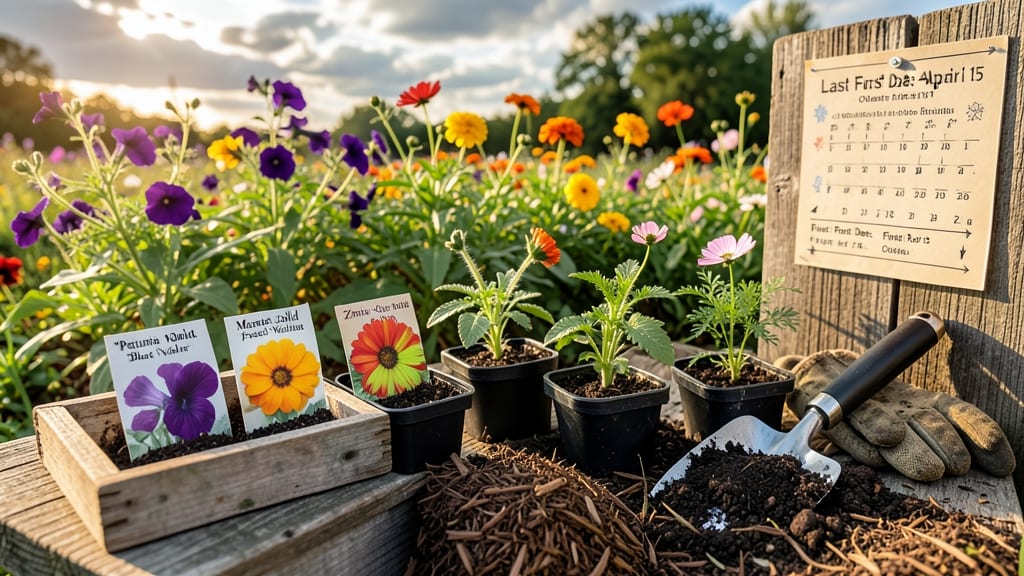
Planting flower seeds in Ohio at the right time means the difference between a showstopping garden and a sad, half-bloomed disappointment.
Ohio’s unpredictable weather can turn a beautiful flower garden into a gamble—but timing your flower seed planting by the state’s microclimates ensures vibrant blooms all season long.
From frost-sensitive annuals like zinnias to hardy perennials like coneflowers, the key is knowing exact months to plant in Ohio’s 6a-6b zones. Miss the window, and you risk late frosts or scorching summer heat.
Below, I break down the best planting months for Ohio’s most popular flowers, soil prep tips, and how to extend blooms—so you can enjoy bold, long-lasting color from spring to fall.
Ohio’s flower seed planting calendar by USDA Zone (with exact months)
Ohio’s USDA Zones 5b-6b create a unique gardening challenge, where last frost dates can vary by 2-3 weeks across the state. In Zone 5b, gardeners typically wait until mid-April to plant frost-sensitive seeds, while Zone 6b gardeners can start as early as late March.
Understanding these differences ensures your annuals and perennials thrive without risking frost damage or stunted growth.
Soil temperature is just as critical as air temperature—most flower seeds need 60°F+ soil to germinate properly. In Ohio, this usually aligns with late April to early May, but cooler springs (like 2021’s) can delay germination by 2-3 weeks.
Using a soil thermometer eliminates guesswork and helps you time direct sowing perfectly for bold, continuous blooms.
For perennials like black-eyed Susans or coneflowers, fall planting in September gives roots time to establish before winter. These hardy plants benefit from Ohio’s cool autumn soils, which encourage strong root growth before dormancy.
Aim to plant 4–6 weeks before first frost (typically mid-September) for next spring’s vibrant displays.
Ohio’s humidity and summer heat demand careful timing for late-summer bloomers. Seeds like zinnias and cosmos thrive when sown in June–July, avoiding the 90°F+ stress of early summer. These heat-loving annuals reward patience with nonstop blooms until first frost, often lasting into October if deadheaded regularly.
Don’t overlook bulb planting—spring-blooming tulips and daffodils should be planted in October (Zone 5b) or early November (Zone 6b) for spring color. Fall-planted bulbs establish roots in cool soil, ensuring
Best flower seeds to plant in Ohio by season (and how to extend blooms)
Ohio’s humidity and variable frost dates mean choosing the right flower seeds for each season is key to nonstop color. Spring-bloomers like sweet peas thrive in cool soil, while summer annuals like zinnias need warm earth to germinate.
The trick? Succession planting and heat tolerance hacks to stretch blooms from May through October.
I’ve tested these seasonal winners in my Ohio garden—some need cold frames for early starts, while others bounce back from late-spring frosts. Below are my top picks, plus pro tips to extend blooms past their usual season.
For example, marigolds planted in July will still flower until frost if deadheaded weekly.
🌿 3 Flowers That Thrive in Ohio’s Humidity (And How to Grow Them)
-
1. Black-Eyed Susans
Plant seeds in early spring (March) or late summer (August) for fall color. Drought-tolerant once established—perfect for Ohio’s summer heat waves.
-
2. Coneflowers
Direct-sow in April-May after frost. Resists powdery mildew in humid air; stake tall varieties to prevent wind damage.
-
3. Bee Balm
Start indoors in February or sow outdoors in April. Prune spent blooms to encourage second flushes—I’ve seen them rebloom into October!
For spring blooms, I swear by sweet peas—sow seeds in February under grow lights or directly in March when soil hits 50°F. Their fragrant climbers will outperform store-bought bouquets. Pair them with pansies, which tolerate light frosts and add early color.
Summer’s the time for heat-loving annuals like zinnias and cosmos. Plant seeds after Memorial Day (mid-May) when nights stay above 55°F. To extend blooms, I deadhead weekly and mulch with straw to retain moisture during Ohio’s dry spells.
Fall’s showstopper? Chrysanthemums—sow seeds in July for October-November color. For winter interest, plant heuchera or ornamental kale in August. Both handle Ohio’s first frosts and add texture to beds.
Pro tip: Use succession planting to keep blooms coming. For example, sow marigolds every 2 weeks from June to August—this creates a continuous display until frost. And always water at the base in the morning to prevent fungal diseases in Ohio’s damp air. 🌸