
Plants
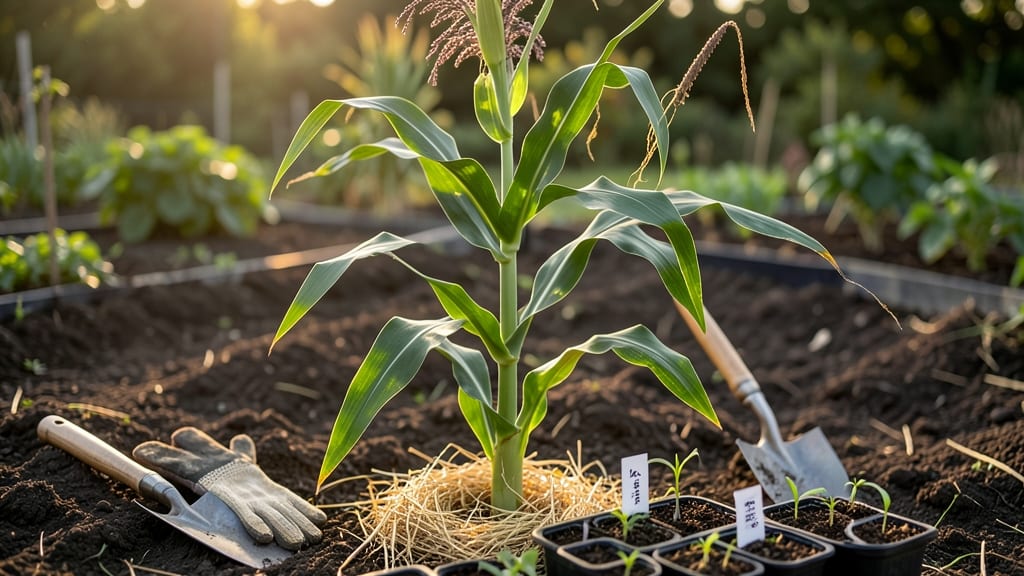
Planting corn in Zone 9 at the right time means the difference between a bumper crop and a sad, bolted mess—aim for mid-February to early March when soil hits 60°F.
Here’s the catch: Zone 9 gardeners know the struggle—plant too early, and the heat triggers bolting before harvest; too late, and your season runs out. Timing is everything, and these science-backed tricks will help you nail it.
Corn thrives in spring’s mild temperatures but wilts under summer’s relentless sun. By planting when soil warms to 60°F, you sidestep the heat stress that sends plants skyrocketing into flower before they’re ready.
Below, I’ll walk you through exact planting windows, how to adjust for early vs. late varieties, and the 5 signs your corn is bolting—plus how to fix it before it’s too late.
Zone 9 corn planting calendar: exact dates to prevent bolting
Planting corn in Zone 9 requires precision timing to avoid bolting—when plants rush to flower due to heat stress. Unlike cooler zones, Zone 9's warm winters and long summers demand a narrow 6-week window for optimal success.
Miss this, and you risk stunted ears or bitter kernels. The key? Plant when soil hits 60°F+ and temperatures stay below 90°F during pollination.
My Zone 9 garden in Southern California taught me the hard way: planting in February often leads to premature tasseling because days are already too long. Instead, I now aim for mid-March to early April, when daytime highs hit 75-85°F—perfect for steady growth without bolting.
This calendar breaks down the exact months, soil triggers, and heat thresholds for sweet corn, popcorn, and field corn varieties.
Why timing matters: Corn bolting in Zone 9 isn't just about heat—it's also about day length. Plants exposed to 14+ hours of daylight (common by late spring) will bolt faster. Pair that with soil temps above 80°F, and your 75-day variety might flower in just 45 days, leaving you with tiny, underdeveloped ears. The solution? Stagger plantings and choose short-season varieties like 'Silver Queen' or 'Peaches and Cream'.
🌱
Let me show you how I use this calendar in practice. For my sweet corn ('Ambrosia'), I plant March 15-20 when soil temps hit 62°F. I test this with a soil thermometer—anything below 60°F delays germination, while above 70°F speeds it up too fast, leading to weak seedlings.
Pro tip: Mix compost into beds before planting to help retain moisture during Zone 9's dry spells.
For popcorn ('Black Aztec'), I stagger plantings every 2 weeks from March 20 to April 10. This gives me a 6-week harvest window instead of one big rush. The last planting goes in by April 15—after that, daytime highs often exceed 85°F, triggering bolting.
I also use shade cloth (30% shade) for afternoon protection if temps climb above 90°F during pollination.
Field corn ('Mangels') gets a head start in late February if I'm starting seeds indoors. Transplant 2-3 week old seedlings when soil reaches 65°F (usually March 1-10). Field corn tolerates heat better than sweet corn but still needs to avoid 100°F+ days during tasseling.
I've learned to mulch heavily with straw to keep roots cool and moist.
Here's my emergency bolting fix for late plantings: If your corn starts tasseling before silks appear (a sure sign of bolting), immediately reduce water stress by increasing irrigation to 1.5 inches/day and provide afternoon shade.
I've salvaged crops this way, though yields drop by 30-50%. For next year, I'll stick to the calendar—and maybe try drought-tolerant varieties like 'Peaches and Cream' for my May plantings.
One common mistake I see in Zone 9 gardens? Planting only once in spring and expecting a big harvest. Instead, use succession planting: Sow every 2 weeks from March to April for continuous ears. My 5x5 ft bed now yields
How to adjust planting time for early vs late varieties in Zone 9
Choosing the right corn variety for Zone 9's heat is half the battle—timing the other half. Short-season, mid-season, and long-season varieties all have different optimal planting windows to avoid bolting or missed harvests. Let me break down how to match your variety to the perfect planting schedule for continuous yields.
In Zone 9's mild winters, you can actually plant corn in two key windows: late winter (February-March) and early fall (August-September). The trick is selecting day-length neutral varieties that won't bolt prematurely.
For spring plantings, short-season varieties (70-80 days) are your safest bet, while fall plantings work best with mid-season varieties (85-95 days) to beat the heat.
| Variety Type | Days to Maturity | Best Planting Window | Succession Planting Strategy | Heat Risk Level |
|---|---|---|---|---|
| Short-Season | 70-80 days | Feb 15 - Mar 15 | Plant every 2 weeks until April 1 | Low (best for spring) |
| Mid-Season | 85-95 days | Mar 1 - Mar 15 or Aug 15 - Sep 1 | Spring: 2 plantings 3 weeks apart; Fall: 1 planting | Moderate (fall only) |
| Long-Season | 100+ days | Feb 1 - Feb 15 (high risk) | Not recommended for Zone 9 | High (avoid) |
For succession planting, I recommend starting with short-season varieties like 'Early Sunglow' (75 days) in mid-February. Then add a second planting of 'Silver Queen' (85 days) 3 weeks later.
This staggered approach ensures continuous harvests from May through July. Pro tip: Use shade cloth (30-50%) over early plantings if daytime temps exceed 90°F to delay bolting.
If you're experimenting with fall plantings, stick to mid-season varieties planted in mid-August. The key is getting seeds in the ground 6-8 weeks before your first 90°F+ stretch—typically mid-October in most of Zone 9.
Varieties like 'Peaches and Cream' (90 days) work well here, but monitor soil moisture closely as fall rains can be unpredictable.
Remember, soil temperature matters more than air temperature. Use a soil thermometer to confirm 60°F+ before planting—cold soil delays germination. In Zone 9b, this usually aligns with mid-February for spring plantings.
For continuous harvests, I plant my final succession crop no later than April 1 to ensure maturity before summer's peak heat.
My top variety recommendation for Zone 9 is 'Bodacious' (82 days)—it's heat-tolerant, disease-resistant, and produces sweet ears consistently even in 95°F+ conditions. Pair it with drip irrigation and mulch to maintain even moisture, and you'll maximize your harvest window without stress.