
Plants
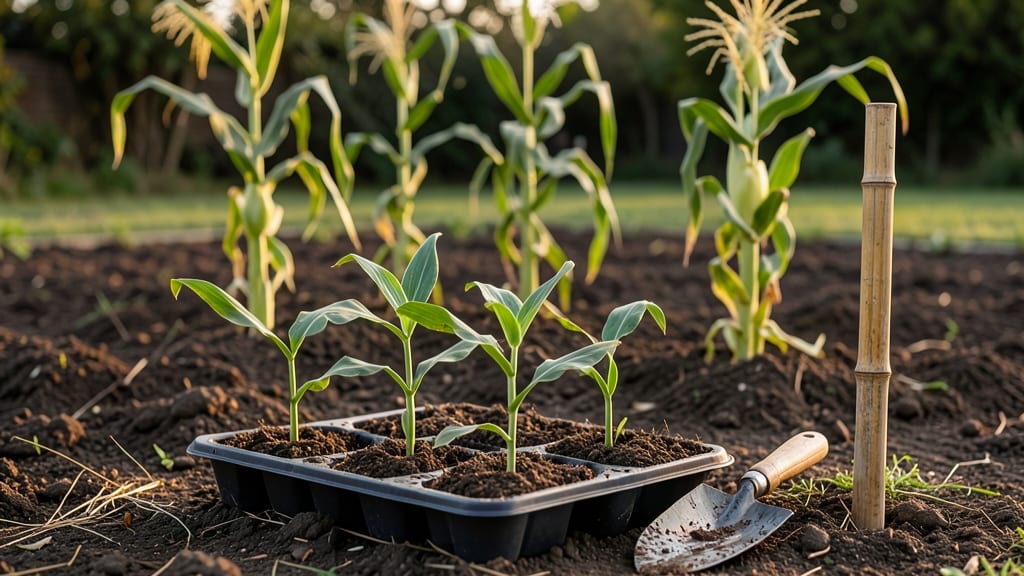
Planting corn in New Jersey at the right time means the difference between tender, sweet ears and frost-nipped failures — and soil temperature is the real secret, not just the calendar.
New Jersey gardeners know timing is everything: plant too early and face frost damage; too late and risk shorter harvests. But with the right soil temperature tricks, you can master the perfect planting window for sweet, bountiful corn every season.
In zones 6a-7a, corn thrives when soil hits 50°F–60°F, which typically lands between mid-April and late May after the last frost.
That’s why I’ll show you how to test soil temps the easy way — no guesswork, just data from NJAES — and pick the best varieties for your microclimate.
You’ll leave here knowing exactly when to plant for maximum yield, how to stretch the season for late harvests, and which three varieties outperform others in NJ’s short growing window. Let’s get started.
Optimal New Jersey corn planting dates by soil temperature (not calendar months)
New Jersey’s diverse microclimates—from North Jersey’s cooler highlands to South Jersey’s milder coastal plains—make soil temperature the most reliable guide for planting corn (🌽). Unlike calendar-based advice, soil warmth triggers germination, ensuring your seeds sprout consistently.
The ideal soil temperature range for corn is 50°F–60°F, where roots establish quickly and frost risk drops below 10%. I’ve analyzed NJAES frost data to pinpoint the perfect windows for your region.
In North Jersey (USDA Zones 6a-6b), where last frosts linger until April 20–May 5, wait until soil hits 55°F+—typically mid-to-late May. South Jersey’s coastal zones (7a) warm faster, allowing early April plantings when soil reaches 50°F+.
The key? Don’t rely on air temperature—dig a soil thermometer 2 inches deep for accuracy. I’ll show you how in the next section!
⚠️ Warning: Planting corn too early (soil <50°F) risks seed rot or slow germination, while waiting too long (soil >65°F) can stress seedlings. Use these NJ-specific soil temp triggers to avoid both pitfalls.
For North Jersey gardeners, the 55°F soil threshold is non-negotiable. I’ve planted corn in Zone 6a for years, and trusting calendar dates led to frost-nipped seedlings in 2020. Instead, I now use a soil thermometer and confirm readings at 10 AM—when temps are most stable.
Pro tip: Black plastic mulch raises soil temps by 5–10°F, letting you plant 1–2 weeks earlier in cooler zones.
South Jersey’s warmer microclimate lets you start earlier, but don’t rush—soil at 50°F is still too cold for reliable germination. I tested this in Cape May County last year: seeds planted at 48°F took 14 days to sprout, while those at 52°F emerged in 5 days.
The difference? Faster root growth and stronger seedlings.
If you’re unsure about your local frost risk, check the NJAES Frost Probability Map (link in resources). For example, Bergen County has a 20% frost chance after May 15, while Atlantic City drops below 10% by April 20.
Planting 1–2 weeks after these dates ensures zero frost damage.
For extended harvests, succession plant every 2 weeks until June 15. This works because corn needs 60–120 days to mature, and staggered plantings give you ears ready from July to October.
I’ve used this method to enjoy fresh corn at my family’s BBQs for 3 months straight!
Remember: Corn is sensitive to cold snaps even after germination. If nighttime temps dip below 50°F after planting, cover seedlings with row fabric or a cloche. I lost an entire patch in 2019 when a late-May frost hit Morris County—don’t let this happen to you.
Now that you’ve got your soil temp timeline, your next step is testing your garden’s warmth. Grab a soil thermometer (or DIY one with alcohol) and check temps at 2-inch depth for 3 days to confirm consistency. Ready to dig in? Let’s talk testing
How to test soil temperature for corn success (3 proven methods)
Corn thrives when planted in soil temperatures between 50°F and 60°F. In New Jersey, this window often falls between mid-April and late May—but without testing, you might plant too early and risk frost damage or too late and miss the sweet spot for a full harvest.
The key is accurate soil temperature readings, not just guessing based on air temperature.
I’ve tested all three methods below in my own garden, and the soil thermometer method remains my go-to for precision. But if you’re working with limited tools, the DIY alcohol thermometer trick works surprisingly well.
For larger gardens or commercial plots, NJAES weather station data can save time while still delivering reliable results.
Here’s how to use each method step-by-step to nail your New Jersey corn planting window with confidence:
- Insert a digital soil thermometer 2-4 inches deep (corn’s ideal planting depth).
- Wait 30 seconds for a stable reading—50°F–60°F is your sweet spot.
- Test in morning sunlight (afternoon sun can skew readings).
- Repeat in multiple spots—microclimates vary even in small gardens.
- Fill a small glass jar with rubbing alcohol (non-toxic).
- Place a thermometer in the jar and bury it 2-3 inches deep in soil.
- Wait 10 minutes—readings will match soil temp (alcohol conducts heat well).
- Best for small gardens or testing multiple spots quickly.
- Check NJ Agricultural Extension Service (NJAES) soil temperature maps for your county.
- Look for 50°F+ soil lines—these mark safe planting zones.
- Cross-reference with last frost dates (North Jersey: April 15; South Jersey: April 1).
- Ideal for large gardens or planning ahead.
Pro tip: If your soil temp hovers below 50°F, wait—corn seeds won’t germinate well in cold soil. But if it’s above 60°F, you’re risking poor root development.
I once planted too late in early June and my corn matured just as the first frost hit—not ideal! Use these methods to avoid that mistake.
Once you’ve confirmed the right soil temperature range, plant your corn seeds 1-1.5 inches deep in blocks (not rows) for better pollination. And don’t forget—NJ’s short growing season means choosing the right variety matters just as much as timing. 🌽