
Plants
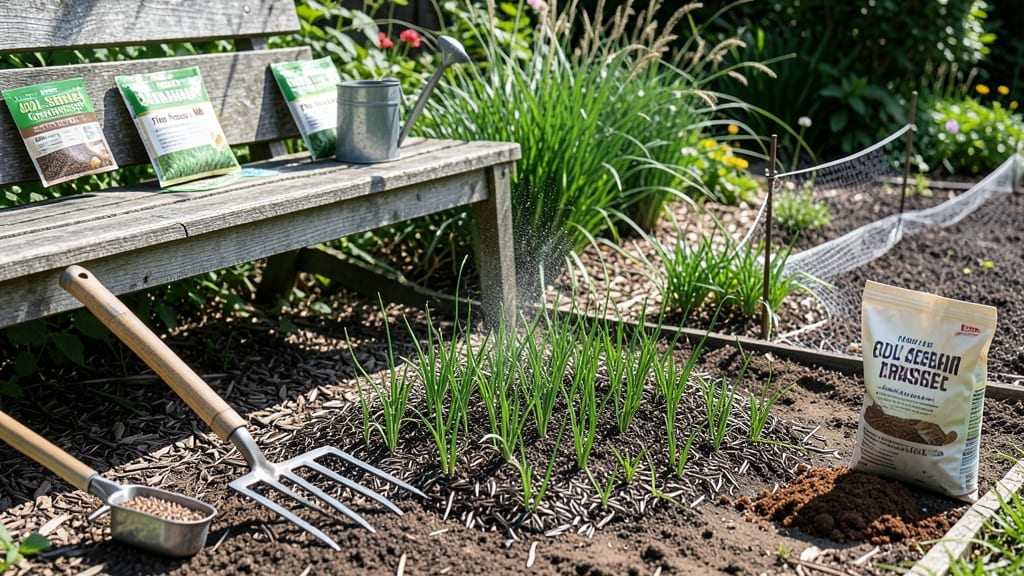
Planting grass seed in New Jersey at the right time ensures fast germination and a thick, green lawn—so timing is everything for a lush yard.
Picture this: you’ve spent hours prepping your soil, choosing the perfect seed, and even protecting it from hungry deer—only to watch it wither under the wrong weather conditions. That’s why knowing when to plant is just as important as how you do it.
In New Jersey’s 6a-7b zones, the best windows are early spring (March–April) and early fall (September–October), when temperatures are cool but not freezing. Warm-season grasses like Bermuda can wait until late spring, but cool-season types like fescue thrive when planted before summer heat sets in.
Here’s what you’ll learn: the exact planting deadlines for your region, how to prep soil for fast growth, and pro tips to avoid common NJ pitfalls—so you skip the guesswork and get a lawn that’s the envy of the neighborhood.
New Jersey’s ideal grass seed planting windows by Zone and climate type
New Jersey’s diverse climate—from the cooler highlands of North Jersey to the milder coastal areas of South Jersey—means your grass seed planting window depends heavily on your USDA zone. Planting at the wrong time can lead to slow germination, weed competition, or even seed loss.
For the best results, cool-season grasses (like tall fescue and Kentucky bluegrass) thrive in early spring and early fall, while warm-season grasses (such as Bermuda grass) prefer late spring planting. Let’s break down the ideal planting months for each region.
In North Jersey (Zones 6a-6b), where frost lingers longer, the best planting windows are late April to early May (spring) and mid-September to early October (fall). These periods offer soil temperatures between 60°F and 75°F, perfect for cool-season grasses.
Meanwhile, Central Jersey (Zone 7a) enjoys slightly warmer conditions, allowing for a 1-2 week extension on either side of these windows. South Jersey (Zones 7b-8a), especially near the coast, can plant as late as mid-May for spring and as early as late October for fall, thanks to milder winters.
| Region & Zone | Best Planting Months | Grass Type | Soil Temp (°F) | Key Consideration |
|---|---|---|---|---|
| North Jersey (6a-6b) | Late April–Early May Mid-September–Early October |
Cool-season (Tall Fescue, KBG) | 60–75°F | Avoid late frost; water daily |
| Central Jersey (7a) | Early May–Late May Late September–Mid-October |
Cool-season (Fine Fescue) | 65–75°F | Warmer soil; extend window |
| South Jersey (7b-8a) | Mid-May–Early June Late October–Early November |
Warm-season (Bermuda, Zoysia) | 70–85°F | Coastal areas stay warmer |
| All Regions | Avoid June–August | N/A | N/A | Summer heat causes drought stress |
If you’re planting warm-season grasses like Bermuda or Zoysia, focus on late spring (May–June) in South Jersey, where soil stays warm longer. These grasses go dormant in winter, so planting them in fall isn’t ideal—they won’t establish roots before cold sets in.
For cool-season grasses, early fall is often the best time because soil remains warm enough for germination, but cooler air temperatures reduce weed competition and stress on young grass.
One common mistake I see in NJ is planting too early in spring when the soil is still cold or too late in fall when frost is imminent.
For example, in North Jersey (Zone 6b), planting in March risks frost damage, while planting in November may not give the grass enough time to establish before winter.
Always check your local frost dates—typically mid-April for last frost and mid-November for first frost—and aim to plant 4–6 weeks before the first expected frost in fall.
For overseeding
Critical factors that determine your exact planting deadline in NJ
New Jersey’s planting deadlines shift dramatically based on soil temperature, rainfall patterns, and whether you’re near the coastal microclimate or inland. Unlike one-size-fits-all advice, your exact window depends on these variables—so let’s break it down.
For example, North Jersey’s Zone 6a has a shorter spring window than South Jersey’s Zone 7b, where coastal areas can plant up to 2 weeks later due to milder winters.
Your soil temperature is the #1 factor. Grass seed needs soil at least 50°F (10°C) for cool-season varieties (like tall fescue) and 60°F (15°C) for warm-season types (like Bermuda grass).
In NJ, this typically means waiting until mid-April for spring planting, but coastal areas like Cape May can start as early as late March. Use a soil thermometer ($10 at garden centers) to test—bury it 2 inches deep for 3 days to confirm.
Rainfall also plays a critical role. NJ’s unpredictable spring showers can delay planting if the ground stays soggy. Inland areas like Morris County often face drought stress by June, while coastal regions like Atlantic City may have excess moisture until late May.
Check your local NJ Weather and Climate Network for 30-day forecasts—aim to plant when rainfall averages 1-1.5 inches per week to avoid waterlogged soil.
⚠️ WARNING: Common Mistake in NJ ⚠️ Planting too early in Zone 6a (North Jersey) risks frost damage—even if soil is warm, a late frost can kill seedlings.
Conversely, planting warm-season grass after June 15 in South Jersey often leads to poor establishment before summer heat sets in. Coastal areas have a 2-week grace period later than inland zones due to moderating ocean breezes.
Always verify your last frost date (typically mid-April inland, late April coastal) and add 4-6 weeks as a buffer.
Microclimates create another layer of complexity. A backyard in Trenton (inland) might have hotter, drier soil than one in Wildwood, just 50 miles away. Test your spot: Place a dark-colored bucket in full sun for 24 hours.
If the soil inside reaches 60°F+, it’s ready for warm-season grass; 50°F+ is ideal for cool-season types. Shady areas or north-facing slopes may need 2-3 weeks later than sunny spots.
Don’t overlook seed type—it directly impacts your deadline. Cool-season grasses (like Kentucky bluegrass) thrive when planted 4-6 weeks before first frost (aim for September 1-October 15 in most of NJ). Warm-season grasses (like Zoysia) must go in by June 1 in North Jersey or June 15 in South Jersey to avoid summer stress.
Pro tip: Overseeding in early fall gives grass 6-8 weeks to root before winter.
Finally, test your soil’s readiness with a simple moisture check: Grab a handful of soil and squeeze—if it crumbles easily, it’s too dry; if it stays clumped, wait 2-3 days.
For fastest germination, combine these tests: soil temp ≥50°F, consistent rainfall, and no frost risk. In NJ, this usually lands in early April (spring) or early September (fall), but your exact date depends on these 3 critical factors.