
Plants
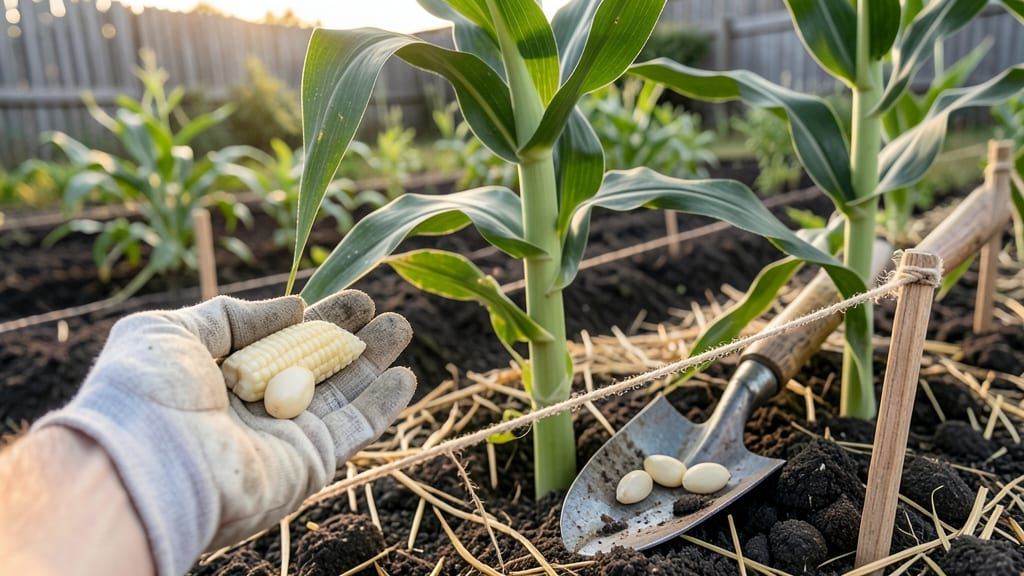
Planting corn in Middle Tennessee at the right time means the difference between a bumper crop of sweet, juicy 🌽 ears and a sad, frost-nipped disappointment.
Middle Tennessee's warm springs and hot summers create the perfect conditions for growing sweet, juicy corn—but timing is everything to avoid frost damage or stunted yields.
Most gardeners here aim for mid-April to early May, once soil temperatures hit a steady 60°F and the last frost has passed (usually around April 15).
In this guide, I’ll break down the exact planting windows for your zone, how to adjust for early or late varieties, and the 5 signs your timing is off before it’s too late.
Optimal corn planting dates in Middle Tennessee (Zone 7a/7b) based on soil temperature
Middle Tennessee gardeners know corn thrives in our warm climate—but getting the timing right means the difference between plump, sweet ears and frost-nipped failures.
With Zone 7a/7b frost dates ranging from mid-April to October 15, planting too early risks cold soil damage, while late planting cuts harvest windows. Let’s break down the perfect planting windows for Nashville, Murfreesboro, and Clarksville based on soil temperature thresholds.
Corn seeds need soil temperatures of 50°F+ to germinate, but 60°F+ ensures faster, more reliable sprouting. In Middle Tennessee, this typically aligns with mid-April to early May, after the average last frost date.
However, soil warms slower than air, so don’t rush—wait until your 1-inch-deep soil reads 60°F on a reliable thermometer. For early varieties, you can push slightly earlier (late March) if you’re willing to risk frost protection with row covers.
Regional variations matter:
- Nashville (Zone 7a): Last frost April 15, first frost October 20. Ideal planting: April 15–May 10.
- Murfreesboro (Zone 7b): Last frost April 10, first frost October 10. Ideal planting: April 20–May 5.
- Clarksville (Zone 7a): Last frost April 18, first frost October 15. Ideal planting: April 12–May 8.
Here’s your soil temperature and frost risk guide for Middle Tennessee corn planting:
For early-season planting, use row covers or black plastic mulch to warm soil faster and protect seedlings. If you’re planting in late March, choose fast-maturing varieties (60–75 days) like 'Early Sunglow' to avoid frost.
Most gardeners in Middle Tennessee stick to mid-April to early May for reliable germination and peak yields.
If you’re succession planting for a late-summer harvest, sow a second crop in early June using fast-maturing varieties. This extends your harvest into September or October, but monitor fall frost forecasts—corn needs 90–120 days to mature, so late plantings risk immature ears.
Pro tip: Use a soil thermometer to track temperatures. In Middle Tennessee, soil can lag 1–2 weeks behind air temperature, especially in shady or clay-heavy soils. If your soil is cold or soggy, wait—rushing leads to poor germination and weak stalks.
For consistent moisture, water deeply 1–2 inches per week once seedlings emerge.
Remember, corn loves heat, and Middle Tennessee delivers—just time your planting right to avoid frost bites or heat stress. With the right soil temperature and frost awareness, you’ll be grilling fresh corn on the cob by summer’s end! 🌽
How to adjust corn planting dates for faster or slower varieties in Middle Tennessee
Middle Tennessee gardeners face a critical decision when planting corn: choosing between fast-maturing varieties (80-90 days) and standard varieties (100-110 days). The difference can mean the gap between a bountiful harvest and frost-damaged ears. With our 180 frost-free days, timing becomes even more crucial to maximize your yield.
Early varieties like 'Silver Queen' or 'Ambrosia' reach maturity in just 85 days, making them ideal for early May planting. These varieties give you a July harvest before summer heat peaks, while still avoiding late-spring frosts.
Their shorter growing season also means they're less vulnerable to drought stress or pest pressure that builds later in the season.
| Variety Type | Days to Maturity | Best Planting Window | Harvest Window | Frost Risk Level |
|---|---|---|---|---|
| Early Varieties (80-90 days) | 80-90 days | Mid-April to early May | Late July to early August | Low |
| Standard Varieties (100-110 days) | 100-110 days | Late April to mid-May | Late August to September | Moderate |
| Late Varieties (110+ days) | 110-120 days | June (for experimental planting) | Late September to October | High |
For standard varieties like 'Golden Bantam' or 'Country Gentleman', planting in late April ensures harvests in late August. These varieties benefit from our hot summer temperatures (85°F+), which help develop sweet, plump kernels. However, they require careful monitoring as fall frosts can arrive as early as mid-October.
If you're tempted to try late-summer planting for a fall harvest, consider succession planting in early June with fast-maturing varieties. This strategy extends your harvest window while minimizing frost risk.
Use black plastic mulch to warm soil faster and row covers to protect young plants from unexpected late-spring frosts.
Remember that soil temperature matters just as much as air temperature. Use a soil thermometer to confirm your planting bed has reached 60°F+ before sowing seeds. Cold soil delays germination and makes young plants more vulnerable to disease and pests.
For faster results, consider starter fertilizer to give your corn a growth boost right from the start.
My personal favorite approach is planting a mix of both varieties—early types for July harvests and standard types for late summer. This gives me fresh corn for three months straight while spreading out my risk. Just be sure to space your plantings 2-3 weeks apart for even maturity.