
Plants
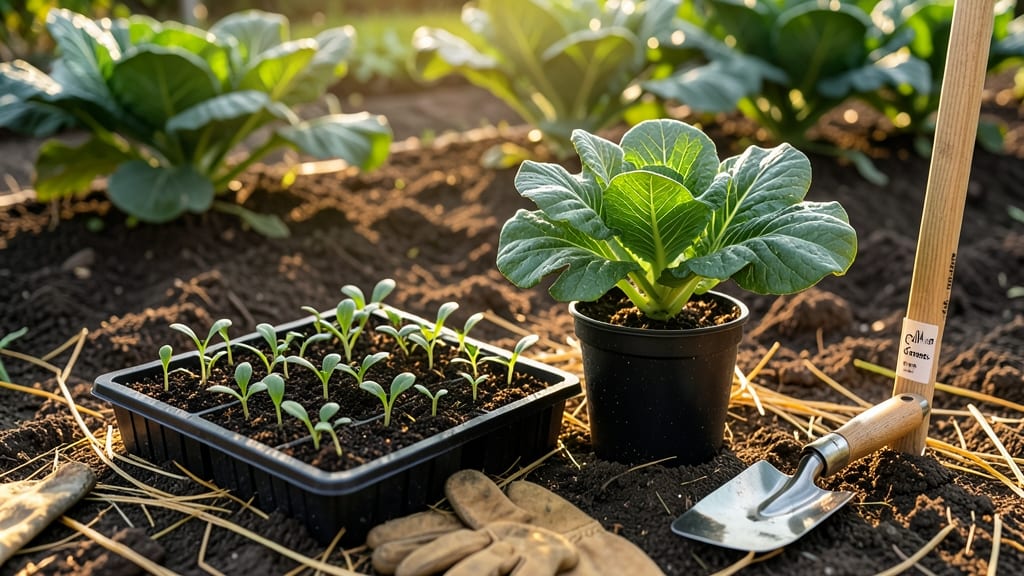
Plant collard greens in Georgia between late February and early April for spring harvests or August and early September for fall, timing that lets you enjoy crisp 🥬 leaves year-round.
Georgia’s mild winters mean you can grow these cold-hardy greens almost anytime—but planting too early or late risks bolting or poor flavor. The key is matching your schedule to soil temperatures and frost dates, which vary between North and South Georgia.
In zones 7b-8b, your best bets are two planting windows: spring for tender young leaves and fall for heartier greens that survive light frosts. With the right timing, you’ll avoid the common mistakes that leave gardeners with bitter leaves or stunted growth.
Below, I’ll break down the exact months to plant, how to extend your harvest with succession planting, and the critical mistakes to avoid—so you can enjoy a steady supply of collards from April through December.
Best collard green planting months in Georgia by season
Georgia’s mild winters and long growing season make it perfect for growing collard greens almost year-round. But to avoid bolting or stunted growth, timing matters. In North Georgia (USDA Zone 7b), cooler temperatures extend your planting window, while South Georgia (Zone 8b) offers warmer soil earlier.
Let’s break down the best months for each season to get the most from your collard harvest.
Collards thrive in cool weather and can handle light frosts, but they bolt quickly when temperatures rise above 80°F. This means your planting strategy should focus on fall and spring windows, with adjustments for Georgia’s microclimates.
For example, North Georgia gardeners can start slightly earlier than those in South Georgia, where warmer soil speeds up germination.
Here’s a quick reference for the best planting months in Georgia, tailored to your region:
| Season | Best Planting Months | Soil Temp Threshold (°F) | North Georgia (Zone 7b) | South Georgia (Zone 8b) |
|---|---|---|---|---|
| Spring | Late February - Early April | 50-65°F | March 1-15 (soil warms slower) | February 20 - March 10 |
| Summer (Succession) | Late July - Early August | 65-75°F (shade cloth needed) | July 25 - August 5 (partial shade) | July 15 - July 30 (mandatory shade) |
| Fall | August - Early September | 60-70°F | August 10 - September 1 | July 25 - August 15 |
| Winter (Hardy Varieties) | October - November | 45-55°F (mulch heavily) | October 1 - November 10 | September 15 - October 15 |
For spring planting, aim to sow seeds 4-6 weeks before your last frost date. In most of Georgia, this means late February to early April. North Georgia gardeners should wait until mid-March to avoid frost damage, while South Georgia can start as early as late February.
Soil temperatures should be at least 50°F for germination, but 60°F+ speeds up growth significantly.
If you’re planting for a summer harvest, use shade cloth to protect seedlings from intense heat. Start seeds indoors in late June and transplant outdoors in early August when soil temps drop slightly.
This succession planting trick extends your harvest into fall, when collards taste their sweetest after a light frost.
Fall is the best time to plant collards in Georgia, as cooler temps prevent bolting.
Seedlings thrive when planted 6-8 weeks before your first frost, typically August through early September. South Georgia can push this to mid-July in some microclimates, but North Georgia should wait until mid-August to avoid heat stress. Mulch heavily to retain soil warmth and protect young plants.
Don’t overlook winter planting! Hardy collard
How to extend your collard green harvest with succession planting
Succession planting is the secret to enjoying collard greens almost year-round in Georgia. By staggering your plantings every 3-4 weeks, you’ll avoid harvest gaps and keep fresh leaves on your table from spring through winter.
The key is matching each planting cycle to Georgia’s microclimates and frost dates, which vary by region.
For North Georgia (Zone 7b), aim for 4 planting cycles, while South Georgia (Zone 8b) can stretch to 5 cycles thanks to milder winters. Each cycle requires soil prep, precise seed spacing, and smart transplanting to ensure continuous growth.
Let’s break down the exact steps to maximize your harvest without overwhelming your garden space.
Step-by-Step Succession Planting for Collard Greens
Direct sow 1/4-inch deep in well-draining soil with 60°F+ temperatures. Space seeds 12 inches apart in rows 18 inches apart. Ideal for spring harvests before summer heat.
Transplant 4-6 week old seedlings into fertile soil after last frost (mid-March). Use shade cloth if temps exceed 85°F. Harvest begins in June-July.
Direct sow 1/2-inch deep for fall harvests. Use mulch to retain moisture during summer heat. Thin seedlings to 12 inches apart when 2 inches tall.
Transplant seedlings for winter harvests. Choose cold-hardy varieties like 'Georgia Southern' or 'Vates'. Protect with row covers if frost threatens (mid-November).
Direct sow for late-winter harvests (Zone 8b only). Use black plastic mulch to warm soil. Harvest January-February before spring planting.
For each cycle, amend soil with compost and a balanced fertilizer (10-10-10) before planting. Collards thrive in slightly acidic soil (pH 6.0-6.8), so test your beds annually. Space plants 18-24 inches apart to prevent overcrowding, which leads to disease and poor air circulation.
When transplanting seedlings, harden them off for 5-7 days by gradually exposing them to outdoor conditions. Dig holes twice as wide as the root ball and water deeply after planting to settle soil. This reduces transplant shock and ensures steady growth during each cycle.
With this strategy, you’ll enjoy continuous harvests without planting a single extra row. Start small—try 2-3 cycles your first year—to perfect your timing before expanding. Your garden (and taste buds) will thank you for the fresh, homegrown collards! 🥬