
Plants
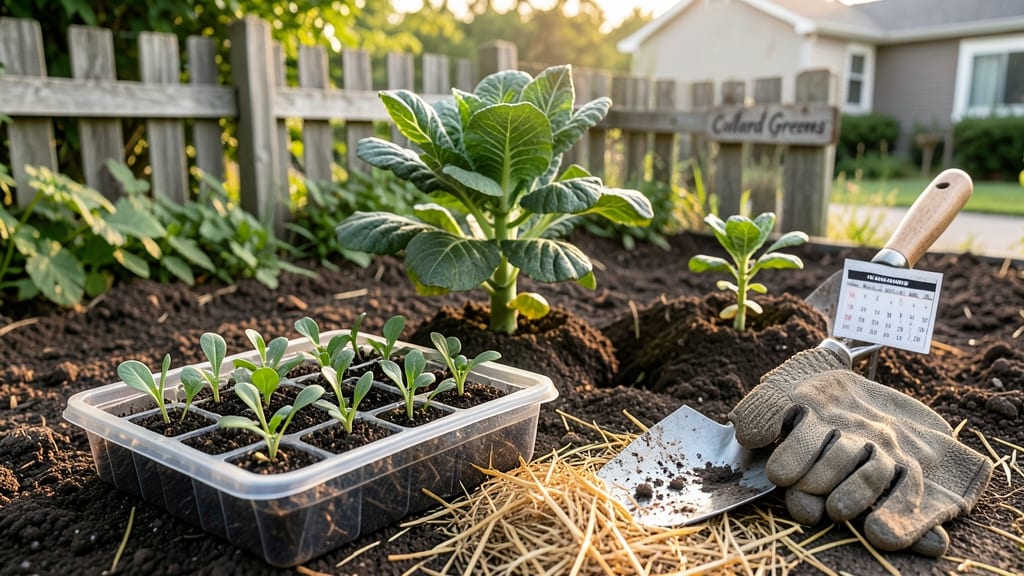
Planting collards in Georgia’s 7b-8a zones means timing your seeds for frost-free windows that avoid summer’s brutal heat while catching fall’s sweet harvest.
Here’s the catch: get them in too early, and the heat wilts your 🥬 collards before they mature. Plant too late, and frost steals your crop before winter’s last harvest. Georgia’s climate demands precision—miss the window, and you’re left with sad, stunted greens.
Most gardeners in Zone 7b aim for late February to early April for spring plantings, while Zone 8a can start slightly earlier. But the real magic happens in fall—August to September—when cooler temps let collards thrive until December or January.
Below, I’ll break down the exact frost-free timeline for each zone, soil prep secrets, and how to stretch your harvest season so you’re feasting on tender greens for months.
Georgia collard planting calendar by USDA Zone (7b vs 8a)
Timing your collard plantings in Georgia depends heavily on your USDA zone, with Zone 7b and Zone 8a offering slightly different frost-free windows. In Zone 7b, the last frost typically occurs around March 15, while Zone 8a can expect frost-free conditions by February 28.
This difference means your planting schedule should account for cooler spring nights in Zone 7b versus milder conditions in Zone 8a.
For both zones, fall planting is the gold standard for collard success. Planting in August-September allows your plants to establish roots before winter, delivering sweet, tender leaves from October through January. The key is avoiding summer heat stress, which can cause bolting or bitter flavors.
In Zone 8a, you can push fall plantings slightly later into early October compared to Zone 7b.
Soil temperature is another critical factor. Collards thrive when soil temperatures are between 60°F and 75°F. In Zone 7b, aim to plant when soil temps consistently stay above 55°F, usually by late March for spring plantings. In Zone 8a, you can start as early as mid-February if soil is warm enough, but watch for unexpected late frosts.
| Zone | Planting Window | Soil Temp | Frost-Free Days | Harvest Window |
|---|---|---|---|---|
| 7b | Late March - Early April (spring) / August 1-15 (fall) | 55°F+ | 210-220 | October - December |
| 8a | Mid-February - Late March (spring) / August 15 - September 1 (fall) | 50°F+ | 220-230 | September - January |
| Both Zones | July (succession) | 65°F+ | N/A | October - November |
Direct sowing is the preferred method for collards in Georgia. Start seeds ¼ inch deep, spacing them 12-18 inches apart in rows 24 inches apart. For Zone 7b, begin seeds indoors 4-6 weeks before your target outdoor planting date to get a head start.
In Zone 8a, you can often direct sow outdoors without starting indoors, thanks to the milder climate.
Heat tolerance varies by variety, but most collards struggle when daytime temps exceed 85°F. In Zone 8a, where summer heat lingers longer, opt for heat-tolerant varieties like 'Blue Max' or 'Georgia Southern' to extend your growing window.
These varieties can handle brief periods of 90°F+ temperatures better than standard types, making them ideal for late summer plantings.
Always test your soil pH before planting—collards thrive in pH 6.5-7.0. In Zone 7b, where soils can be more acidic, amend with lime if needed.
In Zone 8a, where soils may be more alkaline, add sulfur or peat moss to lower pH. Both zones benefit from well-draining soil enriched with compost to retain moisture during Georgia's hot, dry spells.
For fall harvests, prioritize planting in August to avoid summer heat while allowing enough time for root establishment. In Zone 8a, you can push this to early September, but monitor weather forecasts for unexpected cold snaps.
Mulch heavily with straw or leaves to protect roots from freeze-thaw cycles that can damage plants during winter.
Remember that collards are cool-season crops, so they'll bolt (go to seed) if exposed to prolonged heat. In Zone 7b, this means avoiding spring plantings after April 15, while Zone 8a gardeners should stop by May 1.
Instead, focus on fall plantings for the sweetest, most tender leaves.
By following these zone-specific guidelines, you'll maximize your collard yield and enjoy fresh, homegrown greens straight from your Georgia garden. Start with the right timing, and you'll be harvesting <
How to extend your collard harvest season in Georgia heat
Georgia's summer heat can turn your collard greens into sad, wilted piles—but with the right strategies, you can enjoy fresh leaves well into late fall. The key is combating heat stress while maximizing your plant's natural resilience.
I've grown collards in Zone 8a for years, and these techniques have kept my harvests thriving even when temps hit 95°F+.
First, focus on heat-tolerant varieties like 'Georgia Southern' or 'Blue Max.' These varieties handle Georgia's humidity better than standard types. Pair them with shade strategies and mulching techniques to create microclimates where your collards stay productive longer.
- 1. Install 30% shade cloth over plants when temps exceed 90°F. This reduces soil heat by 15-20°F while still allowing 60% sunlight—enough for growth.
- 2. Apply 3-4 inches of straw mulch around plants. This keeps roots 10°F cooler and retains 30% more moisture during dry spells.
- 3. Practice succession planting every 2-3 weeks from August through September. This ensures a continuous harvest as older plants mature.
- 4. Water deeply in the morning (1-2 inches per week) to prevent bolting. Avoid evening watering to reduce fungal risks.
- 5. Harvest strategically: Pick outer leaves first, leaving the center to regrow. This extends the plant's productive life by 30-40 days in heat.
For succession planting, start your first batch in late July and follow up with new seeds every 21 days. This staggered approach ensures you always have young, tender leaves available while older plants keep producing.
I've found that transplanting seedlings (rather than direct sowing) gives them a 2-week head start against heat stress.
Don't overlook soil preparation—amend your beds with compost and aged manure before planting. This improves moisture retention and provides slow-release nutrients that help collards recover from heat stress. I always add a handful of kelp meal for extra stress resistance.
Finally, monitor your collards for heat-related bolting (premature flowering). If you see flower stalks forming, prune them immediately and provide extra shade. With these methods, I've kept collards producing well into December—even in Georgia's hottest summers.
🥬