
Plants
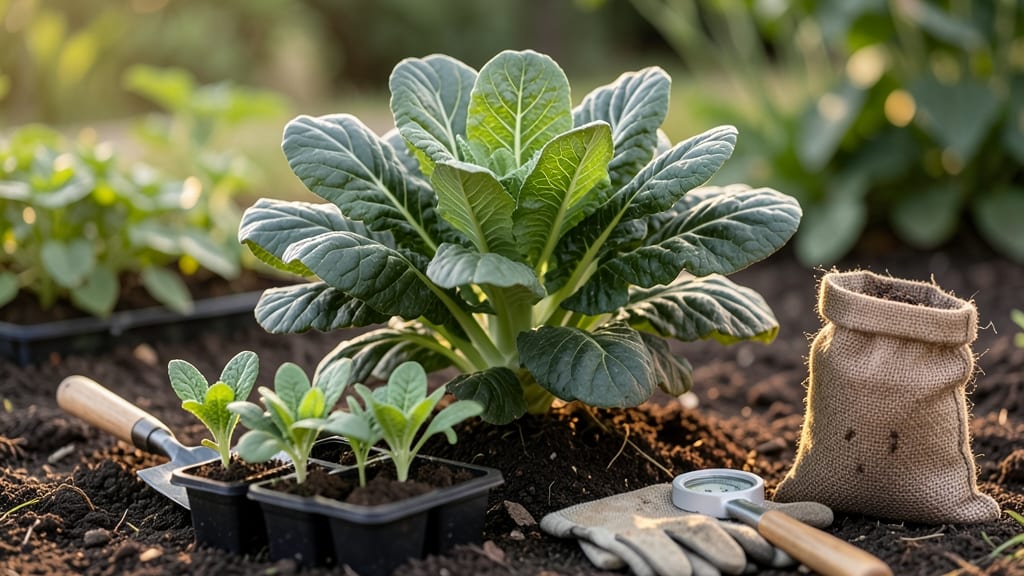
Plant collard greens in Alabama between February and March for spring harvests or August and September for fall and winter yields, leveraging the state’s mild winters and long growing season.
If you’ve ever pulled a bitter, tough leaf from your garden only to realize you planted too late—or too early—you know timing is everything with 🥬. Alabama’s USDA Zones 7b-8b offer two prime windows, but missing the mark can leave you with stunted plants or wasted effort.
The key is understanding how Alabama’s climate plays into your schedule: late summer heat can stress young seedlings, while early spring frosts might nip them before they take hold. With the right prep, you can extend harvests from April through November, ensuring tender greens all season.
Below, I’ll break down the exact planting dates by region, soil prep tricks to beat Alabama’s humidity, and how to choose heat-tolerant varieties that thrive in Zone 8a summers—so you never waste another seed packet.
Best collard greens planting calendar for Alabama’s climate (Zone 7b-8a)
Alabama’s unique climate—with its mild winters and hot summers—lets you grow collard greens year-round. But timing matters! Plant too early in Zone 8a, and you’ll face bolting from summer heat.
Too late, and you miss the sweet, tender leaves before frost. Here’s my exact planting calendar to maximize your harvest.
For fall/winter harvests, transplant 6-8 weeks before your first frost (typically late August to early September in Zone 7b-8a). This gives plants time to establish roots before cool weather sweetens the flavor.
In Zone 8a, where winters are milder, you can push this window to mid-September for a winter harvest.
Spring planting for summer harvests is trickier in Alabama. Start seeds indoors 4-6 weeks before your last frost (usually mid-February to early March) and transplant after soil warms to 50°F.
In Zone 8a, where heat arrives earlier, opt for heat-tolerant varieties like 'Vates' and plant by mid-March to avoid summer stress.
| Planting Window | Transplant Dates (Zone 7b) | Transplant Dates (Zone 8a) | Harvest Window | Key Notes |
|---|---|---|---|---|
| Fall/Winter | Late August - Early September | Mid-September | October - March | Sweetest after frost; mulch for winter protection |
| Spring | Mid-March - Early April | Mid-March | May - Early June | Use shade cloth in Zone 8a to prevent bolting |
| Extended Season | Late July (shade cloth) | Late July - Early August | September - October | For summer heat; choose heat-resistant varieties |
Don’t overlook extended-season options! In Zone 8a, you can plant late July for a fall harvest before winter sets in. Use shade cloth (30-50%) to protect seedlings from intense summer sun, which can cause leaf scorch.
Water deeply twice weekly during this window to keep soil moist.
For Zone 7b, where winters are colder, focus on early fall transplants (by mid-August) to ensure plants mature before first frost. In Zone 8a, where frost comes later, you can stretch harvests into January with row covers during hard freezes (below 25°F).
Pro tip: Succession plant every 2-3 weeks from August to October in Zone 7b-8a for a continuous harvest. This works because collards are cool-season crops that thrive when days shorten.
In Zone 8a, you can even try a late-winter planting (February) for a spring harvest before summer heat arrives.
Watch for heat stress in Zone 8a summers. If temperatures exceed 90°F for more than 3 days, collards may bolt or develop bitter leaves. Provide afternoon shade and increase watering to daily during heatwaves. Drip irrigation keeps leaves dry and reduces fungal risks like downy mildew.
In Zone 7b, where winters are slightly harsher, mulch heavily with straw or leaves after planting to insulate roots during freezing nights. This prevents cold damage and extends your harvest into late winter.
In Zone 8a, mulching is still key but focus on weed suppression—collards grow slowly in warm winters.
Finally, always harden off seedlings before transplanting, especially for spring plantings. Acclimate them to Alabama’s sun over 7-10 days by gradually increasing direct sunlight exposure. This reduces transplant shock and ensures stronger plants ready for your garden’s challenges.
How Alabama’s microclimates affect collard green success (and what to adjust)
Alabama’s varied climate creates three distinct microclimates for collard greens—each requiring unique adjustments to avoid bitter leaves or stunted growth. In Mobile’s coastal Zone 8a, humidity and milder winters demand earlier fall plantings, while Huntsville’s Zone 7b faces harsher winters needing later starts.
Birmingham’s urban heat islands create microclimates where container gardening often outperforms in-ground planting.
Your frost-free dates vary dramatically: Mobile enjoys 240+ frost-free days, while Huntsville averages 190 days. This means Mobile gardeners can plant collards as early as August for fall harvests, while Huntsville should wait until mid-September.
Even within cities, urban heat pockets can push planting windows 2-3 weeks earlier than rural areas.
| Region | USDA Zone | Best Planting Window | Soil Prep Hack | Heat Risk |
|---|---|---|---|---|
| Mobile | 8a | Aug 15-Sep 15 | Add sulfur to lower pH to 6.5 | High (late spring) |
| Birmingham | 7b | Sep 1-Sep 30 | Use container gardening for urban heat | Moderate |
| Huntsville | 7b | Sep 15-Oct 15 | Add composted leaves for winter protection | Low |
For container gardening in urban areas like Birmingham, choose 5-gallon pots with fabric drainage to prevent root rot. These containers warm faster in spring, letting you start 2 weeks earlier than in-ground plantings.
Add 1 cup of compost to each pot and use drip irrigation to maintain consistent moisture—critical during Birmingham’s late-spring heat waves that can scorch young leaves.
Soil preparation differs dramatically: Mobile’s sandy soils need organic matter to retain moisture, while Huntsville’s clay-heavy soil benefits from gypsum amendments to improve drainage. Test your soil’s pH—Mobile’s acidic soils (pH 5.5-6.0) thrive with lime applications, while Birmingham’s neutral soils (pH 6.5-7.0) require no adjustments.
Always work 2-3 inches of compost into the topsoil before planting.
Watch for late-spring heat waves, especially in Mobile and Birmingham. When temperatures exceed 90°F for 3+ days, collard greens develop bitter flavors and bolt prematurely. Use shade cloth (30-50%) during peak afternoon sun and increase watering to 1.5 inches weekly.
For extended harvests, succession plant every 2 weeks from August through September—this ensures continuous tender leaves even as summer heat intensifies.
Remember: Frost dates shift yearly. Use your local Alabama Cooperative Extension Service frost maps to refine your planting schedule. In Huntsville, a light frost in early November won’t damage established plants, but Mobile’s mild winters allow for year-round harvests with proper mulching.
For urban gardeners, row covers can extend your growing season by 4-6 weeks in both directions.