
Companion Plants
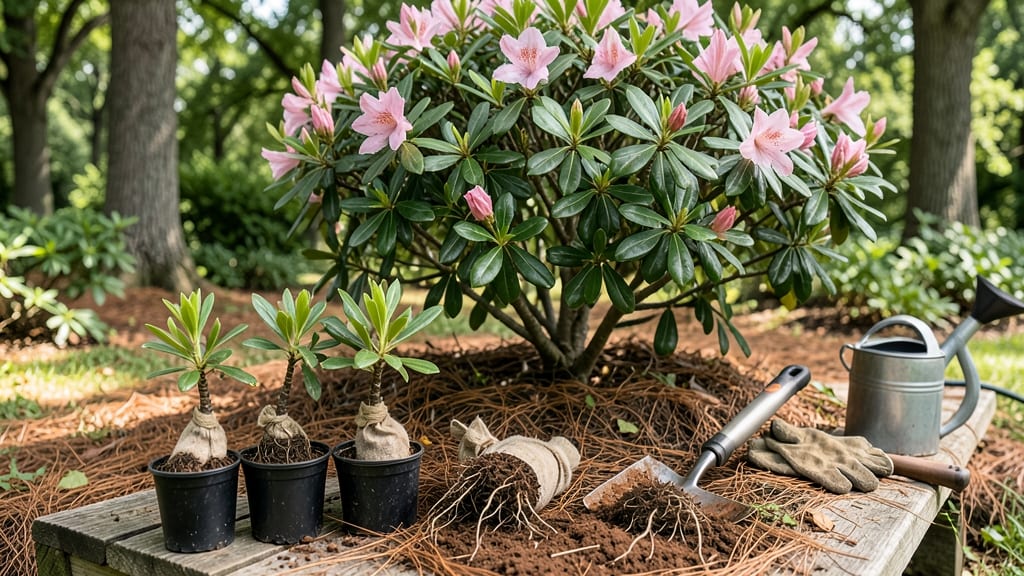
Planting azaleas in Alabama during fall or early spring sets them up for thriving roots and stunning blooms—skipping this window can leave your 🌸 shrubs struggling to take hold.
Alabama’s mild winters and long growing seasons make it a paradise for azalea lovers—but planting at the wrong time can stunt growth or even kill your shrubs. Timing is everything for establishing strong roots and vibrant blooms, especially in USDA Zones 7b-8a.
Fall planting (October–November) gives roots time to settle before winter, while early spring (February–March) avoids summer heat stress. Whether you’re working with bare-root or container-grown azaleas, the key is soil temperature—aim for 50–60°F for the best results.
Below, I’ll break down the exact planting windows, soil prep tips, and regional tweaks (coastal vs. inland) to ensure your azaleas grow stronger and healthier—no guesswork needed.
Best planting windows for Alabama azaleas: fall vs. spring timing explained
Alabama gardeners know azaleas are showstoppers, but timing your planting makes all the difference between thriving shrubs and struggling survivors. The mild climate of USDA Zones 7b-8a gives you two prime windows—fall and spring—but each has unique advantages.
Let’s break down when to plant for maximum root growth and winter resilience.
Fall planting (October through November) is the gold standard for Alabama azaleas. Cooler temperatures and consistent rainfall create ideal conditions for root establishment before winter dormancy. This gives young plants a head start when spring arrives.
Spring planting (February to March) works too, but requires extra care to prevent transplant shock during hotter months.
| Planting Window | Best Months | Soil Temp Threshold | Root Establishment | Winter Survival |
|---|---|---|---|---|
| Fall Planting | October-November | 50-60°F | Excellent (6-8 weeks) | High (established roots) |
| Spring Planting | February-March | 55-65°F | Good (4-6 weeks) | Moderate (needs summer care) |
| Late Spring Planting | April-May | 60-70°F | Poor (transplant shock risk) | Low (stressful) |
For bare-root azaleas, fall planting is critical—roots establish before winter dormancy. Container-grown azaleas offer more flexibility but still benefit from fall’s cooler temps. If you miss fall, plant in early spring (before buds swell) to avoid summer stress.
Alabama’s microclimates matter. Northern regions (like Huntsville) have cooler springs, extending the planting window. Southern areas (like Mobile) should plant earlier to beat summer heat. Always check for soil temperatures below 60°F—this signals safe planting.
Pro tip: Mulch heavily after planting to retain moisture and regulate soil temps. Use 2-3 inches of pine bark mulch, which also acidifies the soil naturally—a must for azaleas. Water deeply every 7-10 days until roots establish.
Spring planting requires extra shade cloth during summer to protect young plants. Fall-planted azaleas, however, often bloom the following spring with minimal care. That’s the power of timing!
If you’re debating between fall vs. spring, consider your schedule. Fall gives nature the upper hand, while spring lets you see progress faster. Either way, avoid late spring planting—it’s a recipe for transplant shock.
Remember: Alabama’s first frost (mid-November) is your deadline for fall planting. For spring, bud break (late February) signals the last chance. Plan ahead, and your azaleas will reward you with years of vibrant blooms.
🌸
Critical soil and weather conditions for Alabama azalea planting success
Alabama’s humid subtropical climate creates ideal conditions for azaleas, but success hinges on precise soil moisture and temperature management. Azaleas thrive when soil temps hover between 50–60°F—too hot or cold stresses roots before they establish.
In northern Alabama (Zone 7b), cooler temps arrive earlier, while southern regions (Zone 8a) stay warmer longer, altering planting windows.
Soil moisture is equally critical—consistently damp but well-draining soil prevents transplant shock. Overwatering suffocates roots, while drought causes wilting. Alabama’s fall rainfall patterns (October–November) often align perfectly with ideal planting conditions, but spring planting (February–March) requires extra vigilance against early heatwaves.
⚠️ WARNING: Planting azaleas in Alabama outside 50–60°F soil temps risks transplant shock and poor root growth. Check soil temps with a soil thermometer—if it’s below 45°F, delay planting until conditions improve.
In coastal areas (e.g., Mobile), humidity can accelerate fungal diseases, so prioritize well-draining soil mixes with sand or pine bark.
⚠️ Avoid These Alabama-Specific Planting Mistakes
- Planting in summer heat: Soil temps exceed 70°F, causing root burn. Wait for fall or early spring.
- Ignoring regional frost dates: Northern AL’s first frost (mid-November) may arrive earlier than southern AL’s late November. Adjust planting 4–6 weeks before frost.
- Skipping soil acidity tests: Alabama’s native soil is often alkaline (pH 6.5+). Azaleas need pH 4.5–6.0—amend with sulfur or peat moss.
Pro Tip: Use a moisture meter to confirm soil is 40–60% moisture before planting—dry soil = poor root contact.
For bare-root azaleas, plant immediately after purchase—roots dry out in 24 hours. Soak roots in water mixed with mycorrhizal fungi for 1 hour before planting to boost root colonization. Container-grown azaleas offer flexibility but require thorough root inspection—discard any with circling roots or mushy stems.
Alabama’s microclimates demand regional adjustments. In mountainous areas (e.g., Huntsville), plant 2–3 weeks earlier than coastal zones to avoid late frosts. Conversely, southern AL’s longer growing season allows spring planting until early April. Always monitor weekly rainfall totals—aim for 1–1.5 inches per week during establishment.
Post-planting, mulch with 3–4 inches of pine straw to retain moisture and regulate soil temps. Avoid wood chips, which can raise pH over time. Water deeply 2–3 times per week for the first month, then taper to weekly deep waterings once roots establish.
In drought-prone inland areas, supplement with drip irrigation during dry spells.
By mastering these soil and weather conditions, your Alabama azaleas will thrive—producing vibrant blooms for decades with minimal stress. Start with the right timing, and your shrubs will reward you with year-round beauty and resilience. 🌸