
Plants
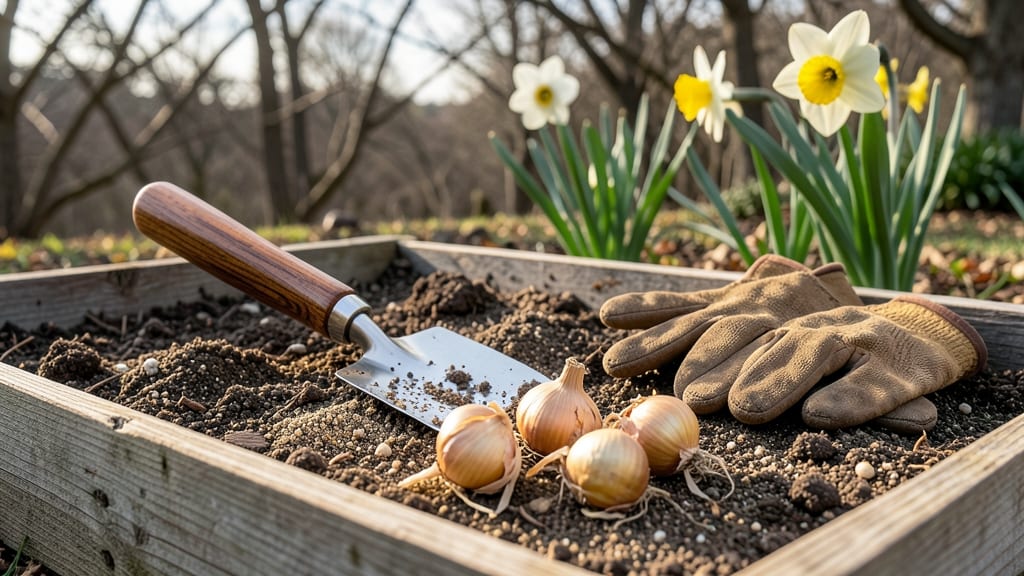
Planting daffodils in Maryland during September through November ensures they’ll bloom bright and early next spring 🌼 — and skipping this window means missing the sweet spot for root growth before winter.
Maryland gardeners know timing is everything — plant too early, and the bulbs rot; too late, and they’ll miss the frost-free window to establish roots. But with Maryland’s USDA Zone 6b-7a climate, there’s a perfect window to guarantee vibrant blooms year after year.
Fall planting gives daffodils 6-8 weeks of cool soil to develop strong roots before the ground freezes, while spring planting risks weak growth if done too late. The key? Aim for 6 weeks before your first frost, which in Maryland usually lands in mid-November.
Below, I’ll break down the exact months to plant, how deep to bury those bulbs, and spacing tips tailored to Maryland’s soil and climate — so you can enjoy cheerful spring blooms without the guesswork.
Best planting months for daffodils in Maryland’s USDA Zone 7b
Maryland’s USDA Zone 7b climate creates a golden window for planting daffodils—just 6 weeks before the first hard frost. This typically lands between mid-September and November, when soil temperatures drop below 60°F (15°C) but haven’t frozen yet.
Planting at this time lets bulbs establish roots before winter dormancy, ensuring stronger blooms next spring. Maryland’s variable frost dates (often mid-November in Baltimore but earlier in western regions) mean timing is critical.
Fall planting is ideal for daffodils because bulbs need cool soil to trigger root growth. In Maryland, October is the sweet spot—soil is still warm enough for root development but cooling rapidly.
If you miss fall, early spring planting (March) is possible, but bulbs may bloom later or less vigorously due to shorter root establishment time. Maryland’s clay-heavy soils in many regions also require extra attention to drainage when planting outside the optimal window.
Here’s what you absolutely must know about Maryland’s planting timeline to avoid common mistakes:
In Maryland’s Zone 7b, the soil temperature threshold for daffodil planting is 60°F (15°C). Use a soil thermometer to check—plant when temps consistently drop below this mark. In western Maryland (higher elevation), this happens 1-2 weeks earlier than in Baltimore or Annapolis.
Pro tip: Test your soil’s drainage first—daffodils hate soggy roots. Amend heavy clay with compost or sand to improve aeration.
Maryland’s frost dates vary wildly by region. In western counties, the first hard frost can hit by October 20th, while eastern shores often wait until November 15th. To play it safe, aim to plant 6 weeks before your local average first frost date.
Check the Maryland Department of Agriculture frost maps for your county’s specifics. For example, Frederick County gardeners should plant by October 15th, while Annapolis has until November 1st.
If you’re planting in containers, the rules are slightly different. Container soil stays warmer longer than in-ground soil, so you can push planting to early November in Maryland. However, protect pots with mulch and move them to a sheltered location if frost threatens.
Container-grown daffodils also need well-draining mix—avoid garden soil alone. Mix in perlite or vermiculite to prevent root rot, especially in Maryland’s humid winters.
One common Maryland mistake is planting daffodils too deep. In heavy clay soils, bulbs can rot if buried deeper than 6-8 inches. Use your finger to dig holes—depth should equal 2-3x the bulb’s height. For example, a 2-inch-tall bulb goes 4-6 inches deep.
Space bulbs 4-6 inches apart to allow airflow and prevent fungal diseases common in Maryland’s damp springs. After planting, water deeply to settle the soil and encourage root contact.
For maximum bloom impact, plant daffodils in layers. Start with larger bulbs (for early blooms), then add smaller ones on top. This creates a continuous spring display from April through June.
In Maryland, early bloomers like ‘Tête-à-Tête’ (April) pair well with mid-season ‘Ice Follies’ (May) and late bloomers like ‘Thalia’ (June). This strategy works especially well in shady woodland gardens common in Maryland’s Piedmont region.
Don’t forget to fertilize after planting! Use a low-nitrogen bulb fertilizer (like 5-10-10) to encourage root growth without promoting leafy foliage. Apply it 2-3 inches away from bulbs and water lightly. In Maryland’s clay soils, a mulch layer
Maryland-specific tips for planting daffodils (Zone 7b adjustments)
Maryland’s clay-heavy soils and variable microclimates between Baltimore and Washington demand special attention when planting daffodils. The Zone 7b climate means we must work with shorter frost-free windows and higher humidity—both of which can stress bulbs if not managed properly.
I’ve learned that amending soil and protecting from wildlife are the two biggest game-changers for Maryland gardeners.
First, let’s talk about the soil preparation that makes all the difference. Maryland’s clay soils drain poorly, which can lead to rotten bulbs if water pools around them. I always recommend mixing in 3-4 inches of compost or sand to improve drainage.
For heavy clay areas, consider planting in raised beds or mounded soil to keep roots elevated and dry.
⚠️ WARNING: Maryland’s Frost Timing Trap ⚠️ Maryland’s first frost typically arrives between November 15-30, but this can vary by 10-14 days depending on your location.
Planting too early (before mid-September) risks bulbs sprouting before winter, while planting too late (after mid-November) means they won’t establish roots before frost. Baltimore’s urban heat island often delays frost by 1-2 weeks compared to rural areas—check your local frost date averages and plant 6 weeks before the first expected frost.
For most of Maryland, this means mid-October is the sweet spot for planting.
Don’t overlook deer and rodent protection, which is especially critical in Maryland’s wooded and suburban areas. I’ve seen entire daffodil beds devoured overnight by hungry deer or voles. The best defense? Plant bulbs 6 inches deep—this deters most rodents.
For deer-prone areas, wrap bulbs in chicken wire mesh or use deer repellent granules around planting sites. My go-to trick is also interplanting daffodils with alliums or fritillaries, which deer avoid.
Maryland’s microclimates also play a role in timing. If you’re in a warmer urban area like downtown Baltimore, you might push planting to early November. Conversely, gardeners in cooler rural areas near Frederick should aim for mid-October to avoid early frosts.
Always check the soil temperature—it should be below 60°F but not frozen when planting. A simple soil thermometer makes this easy to track.
Finally, mulching is a non-negotiable step for Maryland’s winters. After planting, apply 2-3 inches of straw or shredded leaves to insulate bulbs and retain moisture. This mulch layer also suppresses weeds and regulates soil temperature.
Just be sure to remove it in early spring once new growth appears to prevent rot. I’ve found that pine straw mulch works particularly well in Maryland’s acidic soils.
With these Maryland-specific adjustments, your daffodils will thrive year after year. The key is soil prep, precise timing, and protection from local pests. Once you’ve mastered these steps, you’ll enjoy vibrant blooms that outshine even the most challenging Maryland winters. 🌼