
Plants
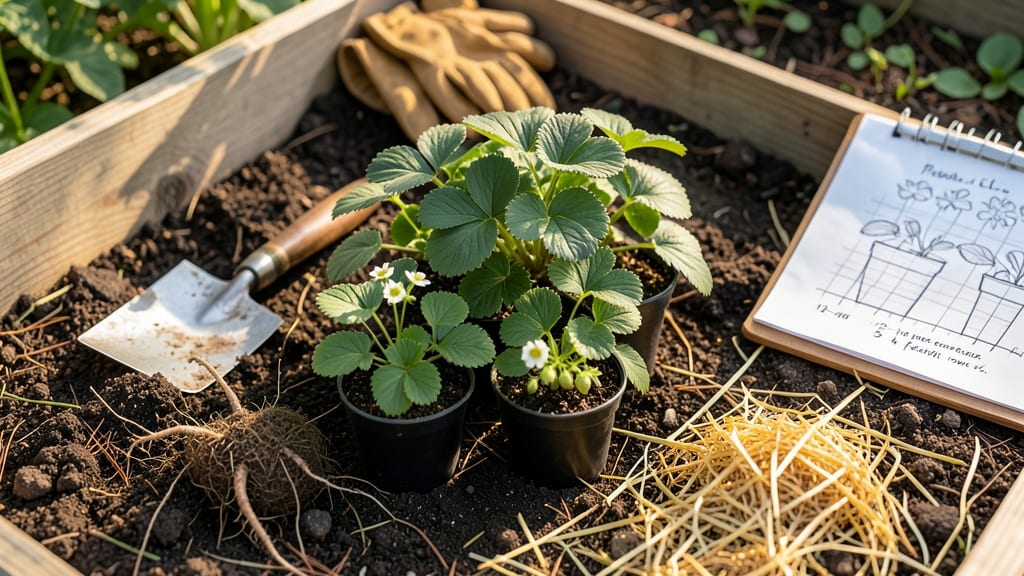
To plant strawberries in Washington State, aim for early spring or late summer—timing that avoids the region’s notorious late frosts and summer heat.
Washington State’s diverse climate—from the rainy Pacific Northwest to the dry inland valleys—means strawberry planting timing can make or break your harvest. Plant too early, and frost will kill your tender seedlings; too late, and your berries may struggle to ripen before summer heat.
If you’re growing 🍓 strawberries in Zone 5 (like the Cascades), wait until after the last frost, usually mid-April. For Zone 8 (like Yakima Valley), late summer planting in August works best to beat the heat. The key is warm soil and cooler air—think 50°F soil temps.
Below, I’ll break down the best months by microclimate, soil prep tricks for the Pacific Northwest’s wet winters, and how to protect your plants from Washington’s unpredictable swings. Ready to grow your sweetest strawberries yet?
Optimal strawberry planting months by Washington State microclimate zones
Washington State’s three distinct microclimate zones—Western WA’s coastal/mountain regions, the Puget Sound area, and Eastern WA’s arid/semi-arid valleys—each demand unique strawberry planting windows. These differences mean June-bearing varieties thrive in one zone while everbearing types excel in another.
Understanding your USDA hardiness zone (5-8) and local frost patterns is critical to avoid late spring frosts or summer heat stress.
In Western WA’s coastal areas (Zones 7-8), mild winters and cool summers create ideal conditions for fall planting of everbearing varieties. Meanwhile, Eastern WA’s high desert (Zones 5-6) requires early spring planting to capitalize on the region’s long, hot summers.
The Puget Sound region (Zones 7-8) offers flexibility but demands careful attention to microclimate shifts between urban heat islands and cooler rural areas.
The comparison-table below breaks down exact planting months for each zone, including soil temperature thresholds and frost risk windows. For June-bearing varieties, timing is critical to ensure berries ripen before late summer heat sets in, while everbearing types benefit from staggered plantings to extend harvests.
🌱
| Microclimate Zone | USDA Zone | Best Planting Window | Soil Temp Threshold | Frost Risk Period | Recommended Varieties |
|---|---|---|---|---|---|
| Western WA Coastal | 7-8 | Late August - Early September (fall) OR Early March - Mid-April (spring) | 50-55°F (10-13°C) | Late May - Early June | Seascape, Albion, Portola |
| Puget Sound Region | 7-8 | Mid-March - Early May (spring) OR September (fall for everbearing) | 45-50°F (7-10°C) | Late April - Mid-May | Totem, Oso Grande, Chandler |
| Western WA Mountains | 5-6 | Early May - Mid-June (spring only) | 55-60°F (13-16°C) | June - July | Honeoye, Jewel, Sparkle |
| Eastern WA (High Desert) | 5-6 | Early April - Mid-May (spring) | 40-45°F (4-7°C) | May - Early June | Albion, Seascape, Fort Laramie |
| Eastern WA (Palouse) | 6-7 | Mid-April - Early June | 50-55°F (10-13°C) | Late May - Early June | Oso Grande, Totem, Honeyoye |
For June-bearing varieties, prioritize spring planting (March-May) in most zones to ensure berries ripen before summer heat stress. In Western WA’s coastal areas (Zone 8), fall planting (August-September) works exceptionally well for everbearing types like 'Seascape', which produces fruit throughout the season.
Meanwhile, Eastern WA’s high desert (Zone 5-6) demands earlier spring planting (April) to take advantage of the region’s long, hot growing season.
In the Puget Sound region, where microclimates shift dramatically between urban heat islands and cooler rural areas, I recommend staggered plantings. Start with everbearing varieties in September for early harvests, then follow with June-bearing types in March.
This approach extends your harvest window from late spring to early fall while mitigating risks from late spring frosts.
Regardless of zone, always test soil temperatures before planting—strawberries won’t thrive in cold soil. Use a soil thermometer
How to adjust planting timing for Washington’s unpredictable weather patterns
Washington’s variable climate—with sudden late-spring frosts in the Cascades and heatwaves in the Columbia Basin—can throw off even the most careful gardener. I’ve learned the hard way that planting too early risks frost damage, while delaying too long may leave strawberries struggling to mature before summer’s end.
The key is flexibility: adjusting your schedule based on soil temperatures, microclimates, and real-time weather forecasts.
For high-altitude areas like the Cascade foothills (Zones 5-6), I recommend waiting until mid-to-late May when the risk of frost has passed. In lowland zones (Zones 7-8), like the Puget Sound region, you can plant as early as mid-April—but always check the 10-day forecast for cold snaps.
Even a single night below 28°F can devastate young plants.
- 1 Use soil thermometers—strawberries thrive when soil hits 45°F+. In cooler zones, warm soil with black plastic mulch 1-2 weeks before planting.
- 2 Mulch heavily with straw or pine needles (3-4 inches) to insulate roots from temperature swings. Replenish after heavy rains to maintain moisture and warmth.
- 3 Have a backup plan: If frost threatens after planting, cover beds with frost cloth or row covers. For high-risk areas, stagger planting—install 20% of plants 2 weeks later as insurance.
- 4 Monitor heatwaves: In Zone 7+, sudden heat can cause blossom drop. Shade young plants with 50% shade cloth during 90°F+ days to protect developing fruit.
I’ve also found that everbearing varieties like ‘Seascape’ offer a safety net—they produce two harvests (spring and fall), so even if the first flush fails, you’ll get a second chance.
For June-bearing types, like ‘Totem’, time it so the flowering stage aligns with stable warm weather (typically late May to early June in most of WA).
Another trick I swear by is planting bare-root strawberries in early spring (March-April) but keeping them in cool storage (32-36°F) until soil warms. This gives you a 2-week head start on the season.
Just soak roots for 1 hour before planting to rehydrate them. For potted plants, harden them off for 5-7 days before transplanting to avoid shock.
Don’t forget to adjust watering as temperatures rise. In dry inland zones, strawberries need 1-1.5 inches of water weekly, while coastal areas may only need 0.75 inches due to higher humidity.
Use drip irrigation to keep foliage dry and prevent fungal diseases like gray mold, which thrive in WA’s damp summers.
When in doubt, I check the WA State University Extension’s frost maps and local CoCoRaHS weather stations for real-time data. With these adjustments, you can beat Washington’s weather and enjoy a reliable strawberry harvest—no matter where you garden. 🌱