
Planting
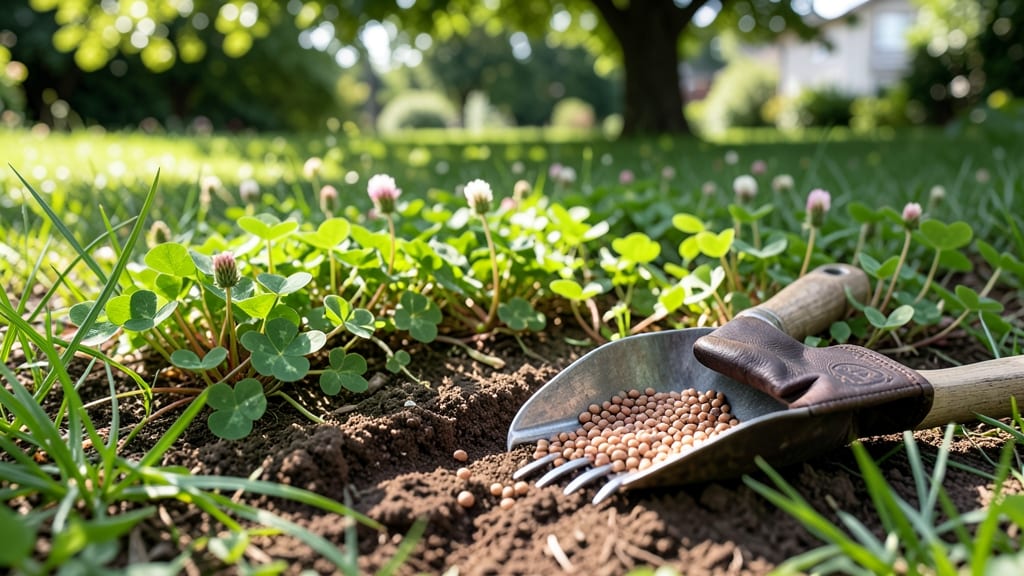
Planting clover in your lawn at the right time ensures thick, lush coverage that crowds out weeds and improves soil health — and the best window depends on your climate zone.
Struggling to decide when to plant clover in your lawn? Timing is everything — plant too early or late, and you risk poor germination, weeds taking over, or even wasting seeds. The right season depends on your climate zone, soil temperature, and local weather patterns.
In most regions, like USDA Zone 6a, early spring or fall is ideal for clover 🌱 because soil stays warm enough for seeds to sprout while avoiding summer drought or winter frost. Cooler climates may lean toward spring, while warmer zones often prefer fall.
Below, I’ll break down the perfect planting schedule by zone, how to prep your lawn for success, and the 5 signs you’re planting at the wrong time — so you can get it right the first time.
Best planting seasons for clover by US climate zone
Planting clover at the right time ensures strong germination and a lush lawn.
Most clover varieties thrive when soil temperatures hover between 50-75°F, but the best season depends on your USDA climate zone and whether you're planting cool-season (like white or red clover) or warm-season (like berseem or crimson clover) types.
In Northern zones (3-6), focus on early spring or fall, while Southern zones (7-10) benefit from late summer or winter planting to avoid summer heat stress.
Cool-season clovers like white Dutch clover or microclover are hardy and ideal for overseeding in lawns, while warm-season types like crimson clover need warmer soils to establish. Soil moisture is critical—plant when rainfall is predictable or irrigate lightly after sowing.
In dry climates (zones 7-10), aim for cooler months to reduce water needs.
Here’s a quick guide to align your planting with your zone’s frost dates and soil conditions:
In USDA zones 3-6, early spring planting (March-April) gives clover a head start before summer heat, while fall planting (September-October) ensures roots establish before winter.
For zones 7-10, late summer or winter planting avoids drought stress and extreme heat. Microclover, a popular choice for lawns, thrives in zones 5-9 and can be planted year-round in mild climates, but spring/fall still yield the best results.
Check your last frost date (available via the USDA Plant Hardiness Zone Map) to time planting. For example, if your last frost is April 15, aim to plant by mid-March for cool-season clover.
In Southern states, winter planting (December-January) works well for white clover, as it tolerates cooler soils better than grass.
Soil temperature is just as critical as air temperature. Use a soil thermometer to confirm conditions—ideal germination occurs at 60-65°F. If your soil runs cooler, wait until temperatures stabilize. Moisture levels should be consistent; clover seeds need 1-2 inches of water weekly after planting to prevent drying out.
For overseeding existing lawns, mow the grass short (1-1.5") 1-2 weeks before planting to expose soil.
In new lawns, till the soil to 4-6 inches deep and rake smooth for even seed distribution. Weed suppression is key—apply a pre-emergent herbicide 2 weeks before planting to prevent weeds from competing with clover seedlings.
Regional exceptions apply: In Pacific Northwest zones (6-8), plant in early spring to avoid summer drought, while Southeast zones (8-9) benefit from late summer planting to escape humidity. Always match your clover variety to your climate—
How to prepare your lawn for clover planting (step-by-step)
Preparing your lawn for clover planting is just as important as choosing the right season. Clover thrives in well-prepared soil with minimal competition from weeds and grass. Start by testing your soil pH—clover prefers a slightly acidic to neutral range of 6.0 to 7.0.
If your soil is too alkaline, add sulfur or peat moss to adjust it gradually over 4-6 weeks before planting.
Next, mow your lawn to a shorter height—about 1.5 to 2 inches—to create an ideal seedbed. This helps the clover seeds make direct contact with the soil, improving germination rates.
Avoid mowing too short, as this can stress the existing grass and create bare patches where weeds may take over.
Weed suppression is critical. Use a pre-emergent herbicide or apply a layer of mulch or straw to smother weeds before planting. Clover struggles to compete with established weeds, so clearing them now ensures your new clover has the best chance to establish.
For organic options, try a corn gluten meal application to prevent weed seeds from germinating.
Step-by-Step Prep for Clover Planting
- Test Soil pH: Aim for 6.0-7.0 using a soil test kit. Adjust with lime (to raise) or sulfur (to lower) if needed.
- Mow Lawn Short: Cut grass to 1.5-2 inches to create a smooth seedbed for clover seeds.
- Aerate Soil: Use a core aerator in fall (best) or early spring to improve soil drainage and seed contact.
- Overseed Technique: Spread clover seeds evenly with a broadcast spreader, then lightly rake to ensure seeds are 1/4 inch deep in soil.
- Water Gently: Keep soil moist (not soggy) with light daily watering for the first 2-3 weeks to encourage germination.
- Fertilize Lightly: Apply a low-nitrogen fertilizer (5-10-10) after seeds sprout to support early growth without burning tender clover.
Timing for aeration matters—fall (September-October) is ideal because it loosens compacted soil and allows clover roots to establish before winter. If you miss fall, aerate in early spring (March-April), but avoid aerating during drought or extreme heat, as this can stress the soil.
Once your lawn is prepped, overseed clover using a broadcast spreader for even coverage. Lightly rake the area to ensure seeds are 1/4 inch deep in the soil, then water gently to keep the top layer moist.
Avoid heavy watering, which can wash seeds away or bury them too deeply, reducing germination rates.
After planting, maintain consistent moisture by watering daily for 10-15 minutes until the clover reaches 2-3 inches tall. Reduce watering to 2-3 times per week once established, as clover is drought-tolerant once mature.
Monitor for weeds and apply a post-emergent herbicide if needed, but avoid products containing 2,4-D, which can harm clover.