
Plants
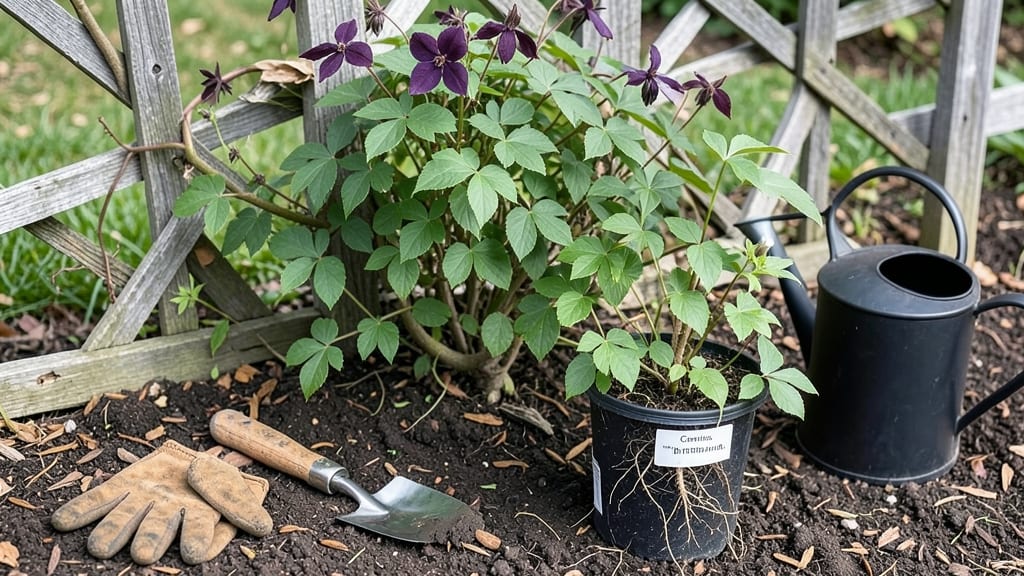
To plant clematis in Michigan, aim for early spring or early fall when soil temperatures reach 50°F—this gives your 🌸 vines the best chance to root before winter’s bite.
Michigan gardeners know timing is everything—plant clematis too early, and frost will kill young vines; too late, and they may struggle to establish roots before winter. Get this perennial climbing beauty thriving with the perfect planting window for your specific zone.
In Zone 5b-6b, early spring (April–May) is ideal, but fall planting (September–October) works too, as long as the soil stays workable. The key is avoiding late frosts, which can set back growth, and ensuring your clematis has 6+ weeks to settle in before winter.
Below, I’ll break down the exact months for your region, soil prep tips to speed up rooting, and how to protect young plants from Michigan’s unpredictable swings. Let’s get those vines off to a strong start!
Best months to plant clematis in Michigan by hardiness Zone (4-6)
Michigan’s hardiness zones 4-6 create unique challenges for planting clematis vines. In Zone 4 (Upper Peninsula, northern Lower Peninsula), frost can linger until mid-May, while Zones 5-6 (Detroit, Grand Rapids, southern Michigan) often see last frosts by early April.
Planting too soon risks frost damage, but waiting too long delays root establishment. The key is watching soil temperatures and adjusting for your microclimate.
For Zone 4 gardeners, aim for April to early May when nighttime temperatures consistently stay above 40°F (4°C). In Zones 5-6, late April through June works best, but early May is ideal for most regions.
Fall planting is also possible in September if you’re in Zone 6, but Zone 4 gardeners should avoid it due to early frosts.
Use this zone-specific guide to pinpoint your perfect planting window. Michigan’s microclimates (e.g., lakeside areas vs. inland) can shift frost dates by 1-2 weeks, so always check local records.
For example, Traverse City (Zone 5) may be frost-free by April 20, while Marquette (Zone 4) might still see frost in May.
🌱
| Zone | Best Planting Months | Soil Temp Requirement | Last Frost Date | Adjustments for Late Springs |
|---|---|---|---|---|
| 4 (Upper Peninsula) | April–Early May | ≥50°F (10°C) | Mid-May | Use row covers or plant in containers |
| 5 (Northern Lower Peninsula) | Late April–June | ≥45°F (7°C) | Early April–Mid-May | Wait for consistent 50°F nights |
| 6 (Southern Michigan) | May–Early June | ≥40°F (4°C) | Early April | Fall planting possible in September |
If your spring arrives late, don’t panic. Clematis roots can tolerate cool soil better than young shoots, so focus on soil temperature over air temperature. Use a soil thermometer to confirm 50°F (10°C) at 6 inches deep—this is your green light to plant.
For Zone 4 gardeners with delayed springs, consider container planting or using row covers to extend the season.
For early springs (e.g., Zone 6), you can plant as early as March if soil isn’t frozen. However, avoid planting when soil is waterlogged or frost is forecasted within 2 weeks.
Clematis vines need time to establish 4-6 inches of roots before winter dormancy, so late summer planting (August) is risky unless you’re in Zone 6.
Michigan’s clay-heavy soils can slow root growth, so amend planting holes with compost or peat moss to improve drainage. In Zone 4, bury the crown 2-4 inches deep to protect it from freezing.
For Zones 5-6, plant the crown 1-2 inches below soil level. Mulch heavily with straw or wood chips to retain moisture and regulate soil temperature.
🌿
Remember, clematis thrives with patience. First-year vines may not bloom, but they’ll focus on root development. In Zone 4, expect 2-3 feet of growth by fall; in Zones 5-6, vines can reach 4-6 feet.
By year three, your clematis will climb 8-20 feet, transforming your trellis into a floral masterpiece. With the right timing, your Michigan garden will reward you with vibrant blooms from June to September.
🌸
Signs your Michigan soil is ready for clematis planting (and how to fix delays)
Clematis thrives when planted in Michigan’s mild spring soil—typically when daytime temperatures hover around 50°F and nighttime frosts are rare. For most of the state (Zones 5b-6b), this usually means late April to early May, but soil temperature is your best guide, not the calendar.
Test it with a soil thermometer or dig a small hole: if the soil feels warm to the touch, your clematis is ready to go in the ground.
Michigan’s clay-heavy soils can delay planting, but amending them with organic matter like compost or aged manure improves drainage and warmth. Aim for a moist but not soggy consistency—clematis roots need oxygen, and waterlogged soil smothers them.
If your soil is still cold or compacted, wait another 1-2 weeks or use containers to get a head start.
⚠️ WARNING: Planting Too Late? If your soil is still below 50°F or frost is forecasted within 2 weeks, your clematis may not establish strong roots before winter.
Here’s how to fix delays: - Container Growing: Start in 5-gallon pots with well-draining mix, then transplant next spring. - Row Covers: Use frost blankets to protect young plants if temperatures dip below 32°F. - Fall Backup: If spring passes, plant in early fall (September)—just ensure 6+ weeks of growth before frost.
Check for last frost dates in your area—Michigan’s vary wildly from late April in Detroit to early June in the Upper Peninsula. Use the National Weather Service or local extension office for precise data.
A simple trick? Plant when dandelions bloom reliably—they’re nature’s frost predictor! For extra insurance, mulch heavily (3-4 inches) to insulate roots.
Michigan’s clay soils often need drainage help—clematis roots rot if water pools. Mix in perlite or coarse sand to break up compaction, or plant on a slight mound to encourage runoff. If your soil is waterlogged, consider raised beds for better control.
Test drainage by digging a hole, filling it with water, and checking if it drains within 24 hours—if not, amend further.
For late starters, don’t panic!
Clematis is hardy once established, so even a delayed spring planting can work if you: - Water deeply (1-2 gallons per plant) to encourage root growth. - Fertilize lightly with a balanced 5-10-10 mix to boost vigor. - Stake young vines to prevent wind damage from late-season storms.
Remember: Patience pays off—clematis planted at the right time (soil temp ≥50°F, frost-free forecast) will reward you with vibrant blooms for decades.
If this year’s window closes, mark your calendar for next spring and start prepping soil now with compost or leaf mold to give your vines a head start. 🌸