
Plants
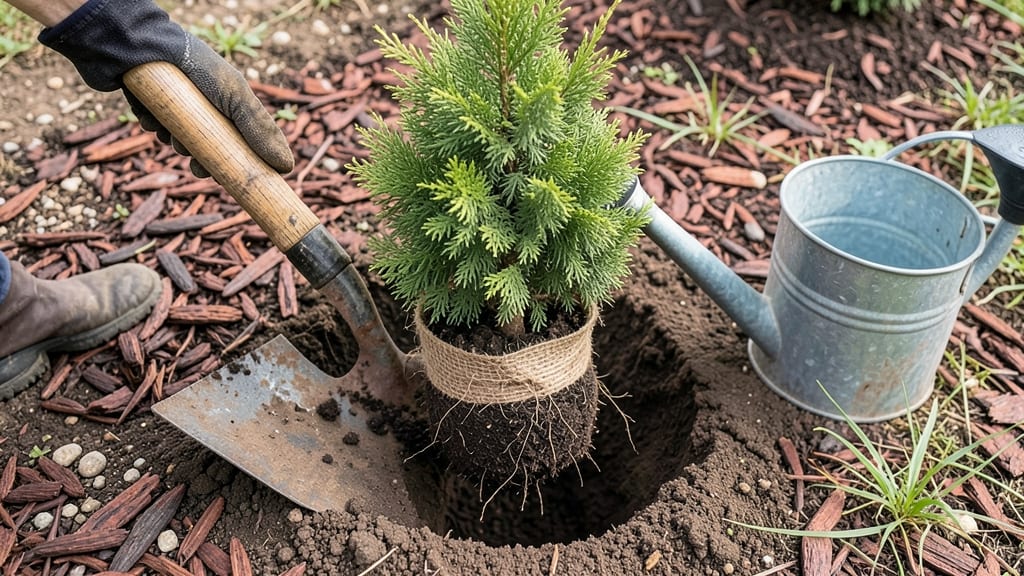
Planting arborvitae in Michigan at the right time ensures your 🌲 thrives for decades, not just survives the first winter.
Get the timing wrong, and you’re staring at a slow-growing hedge that takes years to recover—or worse, a transplant that doesn’t make it past the first frost. Michigan’s 5b-6b zones and late spring frosts mean the difference between a lush green screen and a browned-out disappointment.
Most gardeners assume spring is the only option, but fall planting—when soil is still warm but frosts are coming—often gives arborvitae a head start. The key? Knowing your last frost date, soil prep, and whether you’re planting container-grown or bare-root stock.
In this guide, I’ll break down the best months for your zone, soil tricks to avoid root rot, and how to space your 🌲 for maximum growth—so you skip the guesswork and get a hedge that stays healthy year after year.
Optimal planting months for arborvitae in Michigan by USDA Zone
Michigan’s USDA Zones 4-6 create distinct planting windows for arborvitae, where timing directly impacts root establishment and winter survival. In Zone 4 (northern Michigan), you’ll need to plant earlier to avoid early frosts, while Zone 6 (southern Michigan) offers a slightly extended fall window.
The key is planting when soil temperatures stay above 40°F (4°C) for root growth but before 60 days before first frost to allow hardening.
My #1 recommendation is early fall (September-October) for most Michigan gardeners, as cooler temperatures reduce transplant shock. However, container-grown arborvitae can handle late spring planting (April-May) better than bare-root varieties.
Always check your local last frost date—northern Michigan’s average is April 15, while southern regions may see it as late as May 1.
| USDA Zone | Best Planting Months | Soil Temp Threshold | Transplant Type | Key Consideration |
|---|---|---|---|---|
| Zone 4 (Northern MI) | Late April-May OR Early Sept | 45°F+ (7°C+) | Bare-root preferred | Avoid late May planting |
| Zone 5a (Central MI) | April-May OR Sept-Oct | 40°F+ (4°C+) | Both container & bare-root | 60-day frost buffer |
| Zone 5b-6a (Southern MI) | April-June OR Sept-Nov | 38°F+ (3°C+) | Container-grown best | Extended fall window |
| All Zones | Avoid July-August | N/A | N/A | High transplant shock risk |
For Zone 4 gardeners, I’ve seen the best success with bare-root arborvitae planted in early September, giving roots 6-8 weeks to establish before winter. The 'Emerald Green' variety thrives here when planted by September 15, while 'Thunderbird' needs the extra time to harden off.
In Zone 6, you can push planting to early November for container-grown specimens, but always monitor weather forecasts.
Spring planting in Michigan works best when soil temperatures consistently stay above 50°F (10°C), typically mid-May in northern regions. I recommend container-grown arborvitae for spring planting because their root balls establish faster than bare-root.
For 'American Gold', which is more cold-hardy, you can plant as late as June 1 in Zone 5b, but expect slower first-year growth compared to fall plantings.
One critical mistake I see in Michigan gardens is planting arborvitae too early in spring, when soil temperatures fluctuate below 40°F (4°C). Young roots can’t absorb nutrients properly, leading to transplant shock.
Use a soil thermometer to verify—roots need consistent warmth to grow. In my Zone 5b garden, I wait until May 10 for spring plantings to avoid this issue.
Northern Michigan’s shorter growing season means fall planting is often the safer bet. Aim to plant 6-8 weeks before first frost—in Zone 4, that’s typically by September 15.
The 'Compacta' variety, which matures at 3-5 feet, establishes particularly well in fall because its smaller root system benefits from cooler temperatures. Always mulch heavily (3-4 inches) after fall planting to insulate roots.
Southern Michigan’s longer frost-free period gives gardeners more flexibility. In Zone 6, you can plant container-grown arborvitae as late as early November, but avoid planting after November 15—roots need time to establish before winter dormancy.
For 'Green Giant', which grows 20-30 feet tall, I recommend September planting to ensure the root system can support its rapid growth.
When choosing between spring vs. fall planting
Critical factors that determine arborvitae planting success in Michigan
Michigan’s variable climate means arborvitae success depends on more than just picking a month. The soil moisture and frost-free dates are just as critical as timing. In USDA Zones 4-6, young roots need 6-8 weeks to establish before winter dormancy kicks in.
Container-grown arborvitae have different needs than bare-root transplants. Containers let you plant later into fall (up to October 15 in most regions), while bare-root plants must go in by mid-April to avoid drought stress. Site preparation is equally important—amending clay-heavy Michigan soils with compost can make or break root development.
⚠️ Critical Warning: Planting Too Late Risks Winter Kill
Arborvitae planted after October 15 in Michigan’s northern regions (Zone 4) face higher frost damage risks. Even if roots look established, unhardened growth can die back in sudden freezes. Southern Michigan (Zone 6) has slightly more leeway but still needs 4-6 weeks of root establishment before winter.
🌱 Pro Tip: Test soil moisture 2 inches deep—if dry, delay planting until rains return.
For container-grown arborvitae, the root ball stays moist longer, giving you a 2-week extension into fall planting. However, bare-root plants require immediate watering to replenish lost roots. A 3-inch layer of mulch helps retain moisture and insulates roots during Michigan’s wild temperature swings in spring and fall.
Another hidden factor is soil temperature. Arborvitae roots thrive when soil stays above 45°F. Use a soil thermometer to check—if temps dip below this, delay planting. Northern Michigan gardeners should aim for May 1 as a safe cutoff for spring planting.
Preparing the planting site 2-3 weeks ahead gives roots a head start. Dig a hole twice as wide as the root ball and mix in compost or peat moss to improve drainage. Arborvitae hate soggy roots, so avoid low spots where water pools.
Staking young plants prevents wind damage during Michigan’s late-spring storms.
Finally, watering strategy changes post-planting. For the first 30 days, water deeply 2-3 times per week to encourage root spread. After that, taper to weekly deep watering unless Michigan’s summer drought kicks in. Drip irrigation works best—it delivers moisture directly to roots without wetting foliage (which can cause disease).
By focusing on these critical factors, your arborvitae will establish strong roots before winter dormancy, setting the stage for years of lush, green growth. 🌲