
Plants
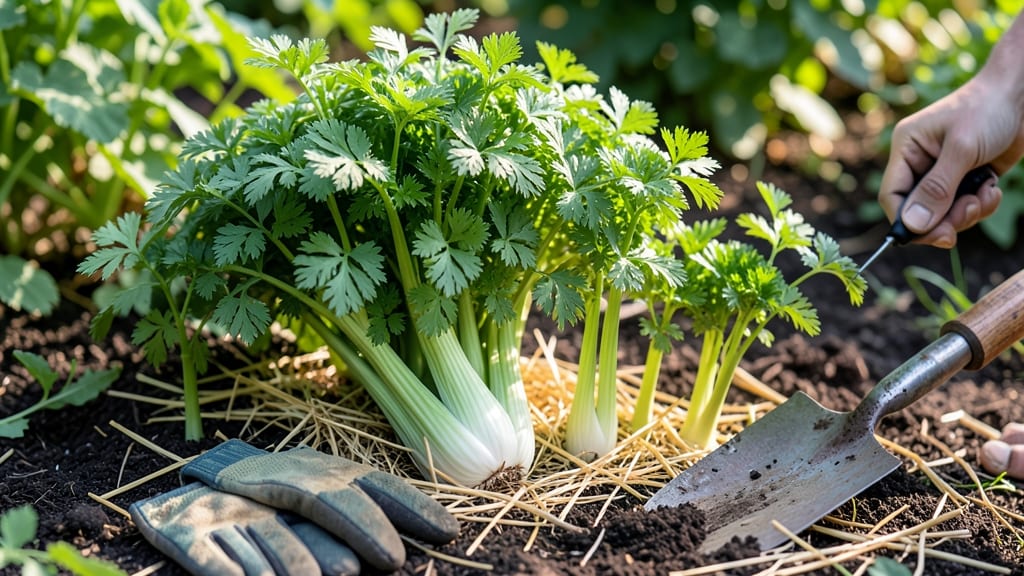
Planting celery in North Carolina at the right time means the difference between crisp, homegrown stalks and bitter disappointment — and the secret lies in those frost-free windows that most gardeners miss.
Celery thrives in NC’s mild winters and long growing season, but timing is everything. If you plant too early, the cold snaps will stunt growth; too late, and the summer heat sends it bolting before you even get a harvest.
I’ve learned that the hard way, watching my seedlings wilt under unexpected frost or race to flower in the heat.
For bold harvests, you’ll want to start seeds indoors 10-12 weeks before your last frost — typically by late February for most of the state. Coastal areas can push it slightly earlier, while the mountains should wait until early March to avoid late-season chills.
Below, I break down the exact frost-free timeline for NC’s climate zones, how to extend the season with shade and moisture tricks, and the one mistake that kills celery faster than drought. Ready to grow celery that tastes like summer, not store-bought?
North Carolina’s best planting windows for celery success
North Carolina’s diverse climate zones—from the Coastal Plain to the Mountains—create unique planting opportunities for celery. Unlike heat-loving crops, celery thrives in cool temperatures (50-75°F) and needs precise timing to avoid bolting or frost damage.
Whether you're growing Tall Utah or Golden Self-Blanching, these frost-free windows ensure crisp, flavorful harvests.
Celery is a cool-season crop that struggles when daytime temps exceed 80°F. In NC’s USDA Zones 7a-8b, your planting strategy must account for regional frost dates: Coastal areas enjoy longer growing seasons, while Mountain regions face earlier frosts.
Spring and fall are your best bets, but timing varies by zone.
🌱Pro Tip: Use row covers or shade cloth to protect plants when summer heat arrives, extending your harvest window by 4-6 weeks.
For spring planting, start seeds indoors 10-12 weeks before your region’s last frost date. Coastal gardeners can begin as early as January, while Mountain growers should wait until February. Use grow lights to prevent leggy seedlings—celery needs 12-14 hours of light daily for sturdy growth.
Transplant seedlings outdoors when soil temps reach 50°F and nighttime temps stay above 40°F. Harden off seedlings for 7-10 days before moving them, gradually exposing them to outdoor conditions. In Piedmont zones, aim for April 1 as your earliest transplant date to avoid early spring heat spikes.
💧Watering Warning: Celery’s shallow roots demand 1-2 inches of water weekly. Let soil dry slightly between waterings to prevent rot, but never let it crust over—this causes bitter, stringy stalks.
Fall planting offers a second chance for harvests. Sow seeds 8-10 weeks before your first frost (typically August 1-15 in Coastal areas, July 31-August 10 in the Mountains).
Use black plastic mulch to warm soil and extend the season by 2-3 weeks—this is especially critical in Zone 7a where frosts arrive earlier.
Monitor your celery’s heat tolerance closely. When daytime temps hit 80°F, provide 30-50% shade cloth to prevent bolting. In Coastal NC’s humidity, increase airflow with fan circulation to reduce fungal risks like early blight, which thrives in stagnant air.
🌿Harvest Hack: Cut outer stalks first to encourage continuous regrowth for 6-8 weeks. For the crispiest celery, harvest in the morning after dew has dried—this preserves moisture and flavor.
Celery’s 130-day maturity means careful planning pays off. By aligning your planting windows with NC’s microclimates and protecting plants from heat stress, you’ll enjoy homegrown celery from May through November—far longer than store-bought options!
How to extend celery’s growing season in NC’s hot summers
North Carolina’s summer heat can turn your crisp celery into tough, bitter stalks if you don’t act fast. Celery bolting (premature flowering) and heat stress are major threats during July and August, but with the right strategies, you can keep harvesting fresh celery well into fall.
The key lies in shade protection, consistent moisture, and smart companion planting to regulate soil temperature.
First, focus on soil moisture—celery needs 1-2 inches of water weekly to stay crisp. Let the top inch of soil dry between waterings, but never let it bake under the sun. Morning watering is best to reduce evaporation, and consider mulching with straw to lock in moisture.
Without proper hydration, celery stalks become woody and lose their signature crunch faster than you can say "soup season."
Next, tackle the heat with shade solutions. Celery thrives in partial shade (4-6 hours of morning sun), so install shade cloth (30-50%) over your plants during peak afternoon heat. For a DIY fix, plant taller crops like corn or sunflowers nearby to provide natural shade.
Even a simple white garden fabric draped over a hoop can drop soil temps by 10-15°F, keeping your celery cool and happy.
Drops soil temp by 10-15°F; prevents bolting
Requires setup; may limit airflow
Natural shade; improves soil
May outcompete celery for nutrients
Reduces evaporation; keeps stalks crisp
Daily routine required
Locks in moisture; suppresses weeds
May draw slugs/snails if too damp
Don’t overlook companion planting—it’s a game-changer for celery in NC’s heat. Pair your celery with bush beans or lettuce, which thrive in the same conditions but add nitrogen to the soil.
Avoid planting near tomatoes or cabbage, as they compete for nutrients and attract pests. A well-planned companion setup can reduce bolting by 40% while keeping your garden productive all season.
For a late-summer harvest, try succession planting every 2-3 weeks from mid-July to early September. Start seeds indoors under grow lights and transplant seedlings when soil temps drop below 85°F in the afternoon.
This staggered approach ensures a steady supply of fresh celery while older plants mature. Just be sure to harden off seedlings for 7-10 days before moving them outdoors.
With these strategies, you’ll beat the heat and enjoy crisp, homegrown celery well beyond the usual summer slump. The secret? Stay consistent with watering, shade, and companion plants—your taste buds (and dinner table) will thank you. 🥬